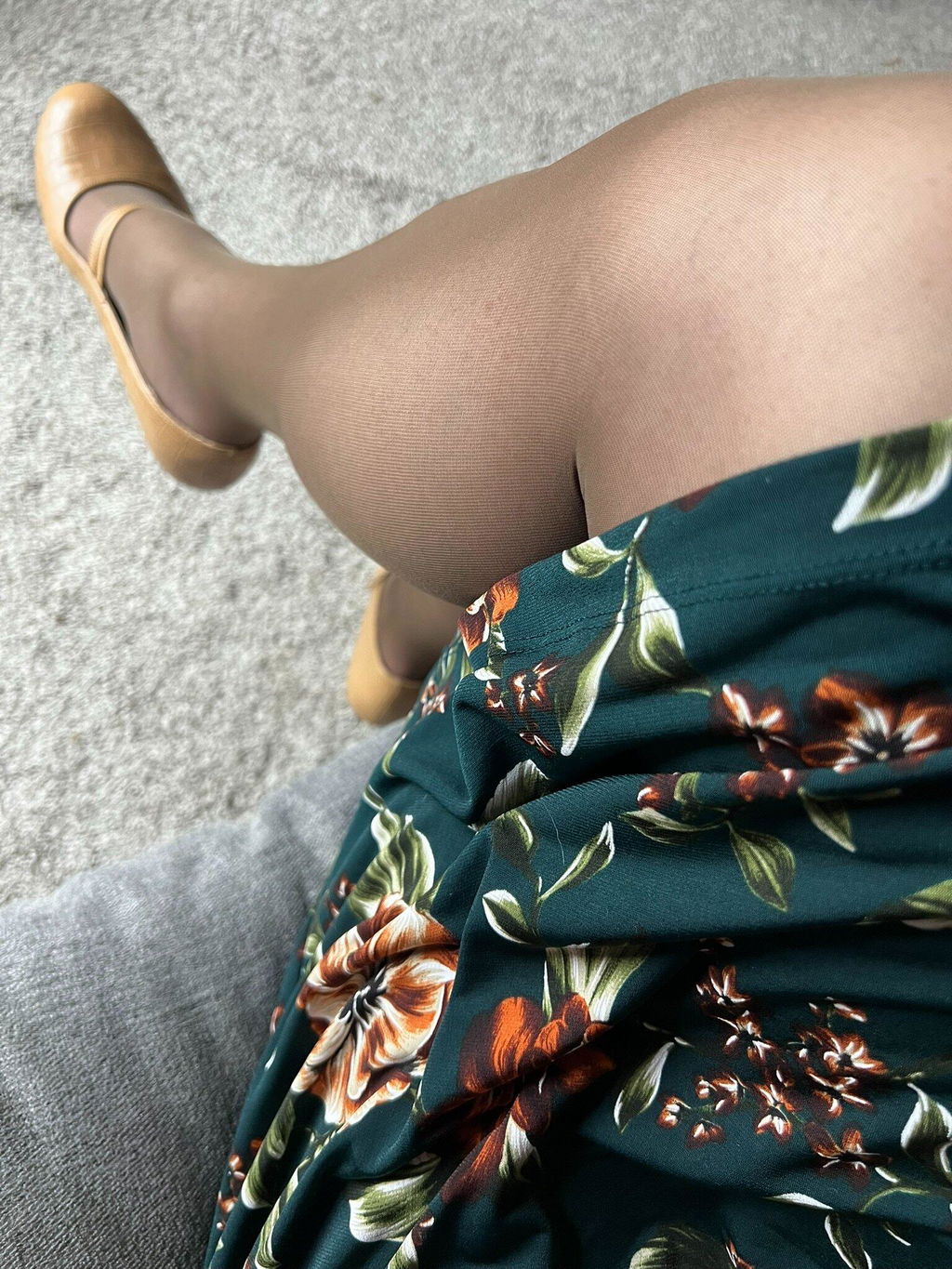
Repairing Snagged Tights Without Making It Worse
Share
A snag can happen between the car and the office, during a school morning rush, or five minutes before a special event. The good news is that repairing snagged tights is often possible when you act before a small pull becomes a visible run. The right approach depends on whether the fabric is simply caught, the fibers are stretched, or a hole has already formed.
For sheer tights, work gently and keep expectations realistic. A repair can stop damage from spreading and make the area far less noticeable, but it may not disappear completely. With opaque, cotton, warm, or children’s tights, you usually have more room to make a neat, durable fix.
First, identify the type of snag
Lay the tights flat on a clean, well-lit surface. Do not pull the fabric tight to inspect it. Stretching a damaged area can turn one loose loop into a long ladder.
A simple snag looks like a small loop or thread pulled above the surface. The tights are still intact, and there is no opening in the knit. A run is different: it appears as a vertical line where stitches have broken and started to unravel. A hole means fibers are missing or broken, so it calls for reinforcement rather than just smoothing the surface.
If the snag is in a highly visible spot on sheer nude tights, a repair is best treated as a temporary solution. If it is on opaque black tights, textured fantasy tights, or warm children’s styles, a careful repair can often give the pair plenty more wear.
What to keep nearby for repairing snagged tights
You do not need a sewing kit full of specialty tools. A smooth sewing needle or very fine crochet hook, clear nail polish, matching thread, small scissors, and a clean pair of hands will cover most situations. A tiny amount of clear fabric glue can also help with an emergency repair, although it can dry stiff and should be used sparingly.
Avoid safety pins, tape, and thick household glue. They may hold the fabric for a moment, but they can catch neighboring fibers, create a hard spot, or leave residue that makes laundering difficult. Never cut off the pulled thread. That turns a manageable snag into a hole.
For a snag with no run
Turn the tights inside out if you can clearly locate the pulled loop. Slide the point of a fine needle or crochet hook through the fabric beside the loop, catch the loose thread, and gently pull it to the inside. Use the smallest motion possible. The goal is not to tug the yarn tighter, but to return it to the back of the knit.
Once the loop is inside, smooth the surrounding area with your fingertips. Let the tights rest flat for a few minutes. On many opaque and microfiber pairs, the fibers settle enough that the snag becomes difficult to see.
For delicate sheer tights, skip aggressive rubbing. If the knit looks slightly uneven, lightly misting the area with water and allowing it to air-dry can help the threads relax. Do not use heat from an iron or hair dryer, which can damage synthetic fibers.
For a small run in sheer tights
A run needs to be stopped at both ends before it travels farther. Place the tights flat, then apply the tiniest dot of clear nail polish at the top and bottom of the run. Let each dot dry completely before moving the tights.
This method works because the polish helps hold nearby loops in place. It is useful for a quick daytime rescue, especially near the toe, heel, or inner thigh. However, clear polish can leave a shiny or stiff mark, so test it first on an inconspicuous area when possible. It is not the best choice for cotton tights, openwork designs, or styles with a matte finish.
If you are wearing the tights when a run begins, avoid crossing your legs tightly or repeatedly pulling at the fabric. A loose, careful adjustment is better than trying to stretch the run closed.
For a hole in opaque or children’s tights
Small holes in opaque tights can be repaired with a few tiny stitches from the inside. Choose thread that matches the tights closely and use a fine needle. Bring the edges of the hole near each other without pulling them so tight that the fabric puckers.
Make several very small stitches around the opening, then secure the thread with a discreet knot on the inside. For a hole at the toe or heel, reinforce a slightly wider area because those spots receive more friction. A repair may remain visible, especially on smooth solid-color tights, but it can be practical for school, play, layering under pants, or wearing with boots.
For children’s tights, comfort matters as much as appearance. Check that the repaired section lies flat and that no knot or thread end rubs against the skin. If the hole is near the waistband or seams, replacement is often the more comfortable choice.
When a repair is worth it and when it is not
Repairing a snag makes sense when the tights fit well, the fabric is otherwise in good condition, and the damage is small. It is especially worthwhile for favorite warm tights, cotton styles, or a child’s pair that still has plenty of life left.
Replacement is usually wiser when a run is long, the fabric has become thin in several places, or the waistband has lost its stretch. Sheer tights with repeated snags can also become unpredictable: one repair may hold, while the next catch creates a new run nearby. For an important meeting, party, school performance, or formal event, keeping a fresh backup pair is less stressful than relying on a fragile repair.
At ConteByOksana, choosing the correct size is one of the simplest ways to help tights stay smooth and wearable longer. Tights that are too small are under constant tension at the toes, thighs, and waistband. Tights that are too large can bunch and catch on shoes, furniture, or rough surfaces.
Help prevent the next snag
Most snags begin with friction or a sharp edge. Check rings, bracelets, watch clasps, chipped nail polish, and rough fingernails before putting on sheer hosiery. Put tights on while seated, gathering one leg down to the toe and easing the fabric upward in sections instead of pulling from the waistband.
Wash tights inside out in cool water, ideally in a mesh laundry bag. Keep them away from zippers, hooks, and rough denim. Air-dry them rather than using a dryer, since heat can weaken elastic fibers over time. Store each pair folded or loosely rolled, not tangled with jewelry or hardware.
For school-age children, it helps to choose tights by the activity as well as the outfit. Cotton and warm styles are often better for busy school days, playground time, and cooler weather. Delicate openwork or fancy tights are lovely for photos, celebrations, and occasions where they will have less contact with rough surfaces.
A small snag does not have to end the day or send an otherwise good pair straight to the trash. Handle the fabric slowly, stabilize any run before it moves, and give yourself permission to retire a pair when comfort and confidence matter more than one more repair.