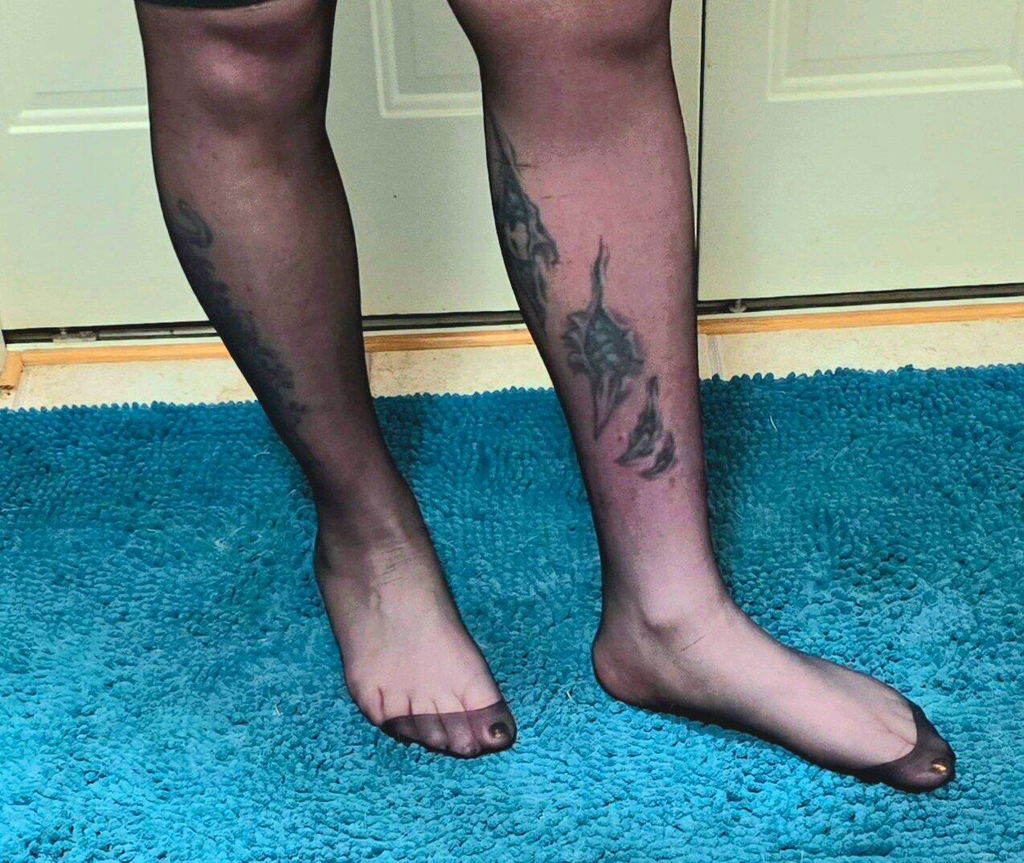
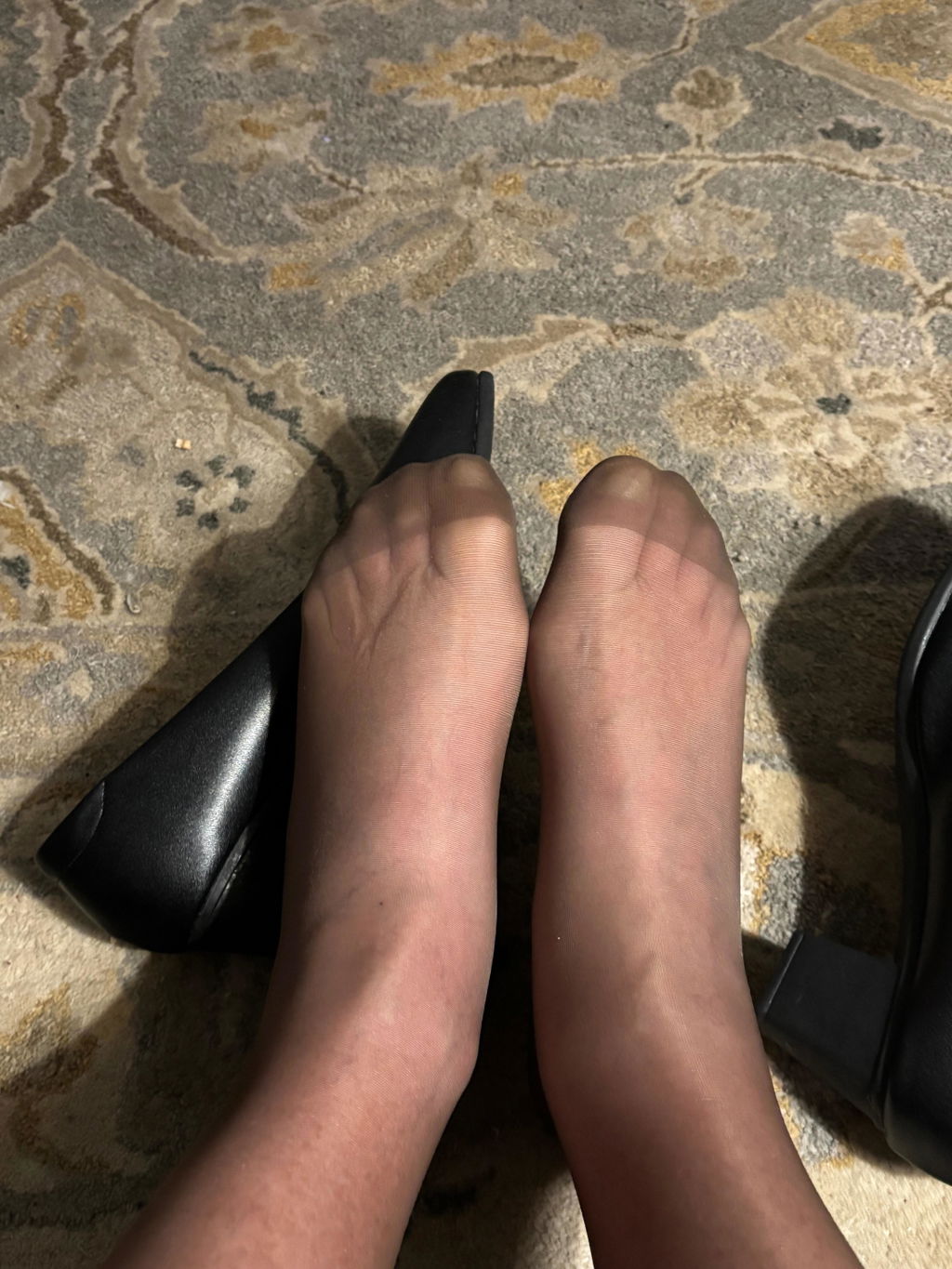
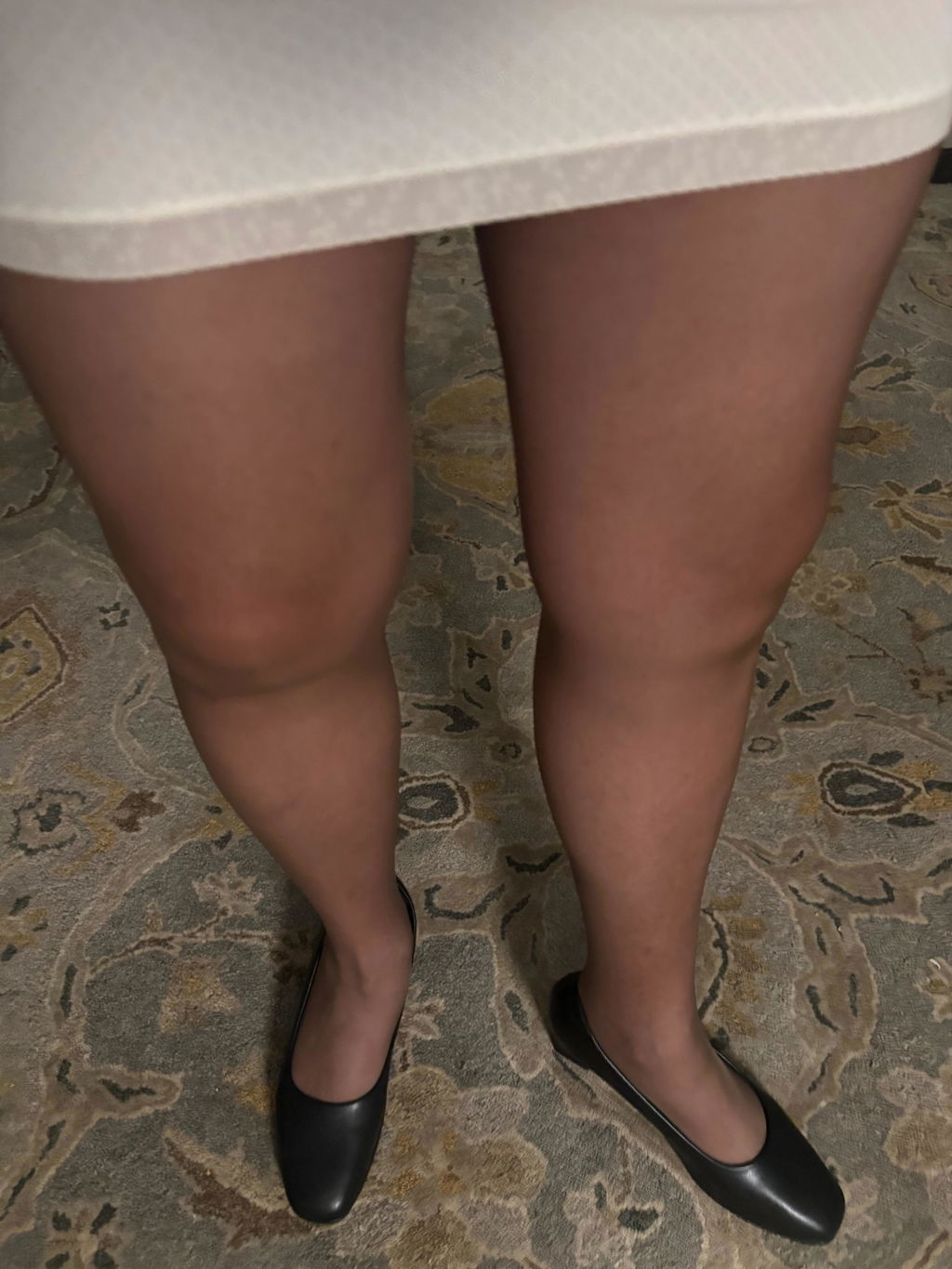
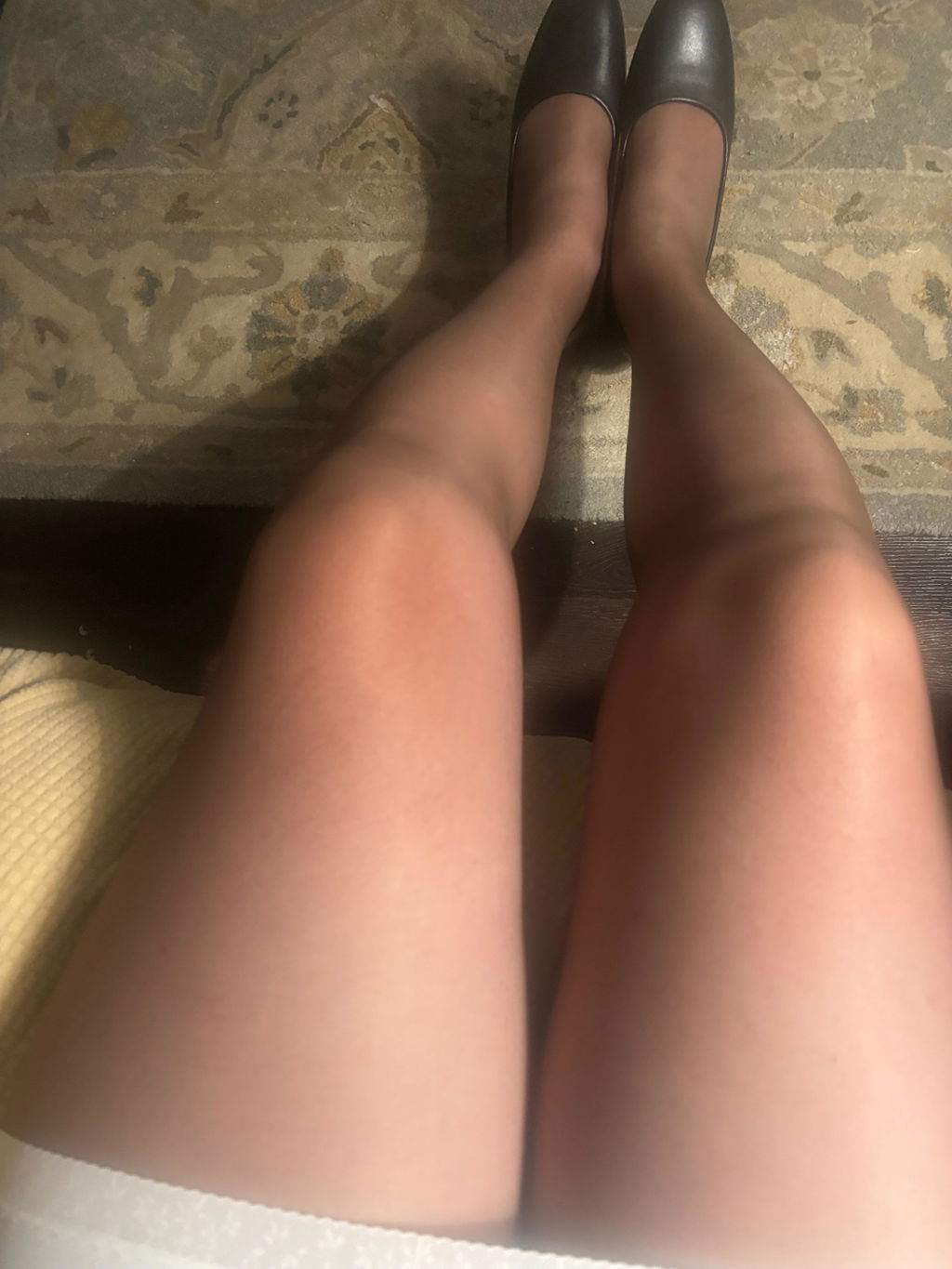
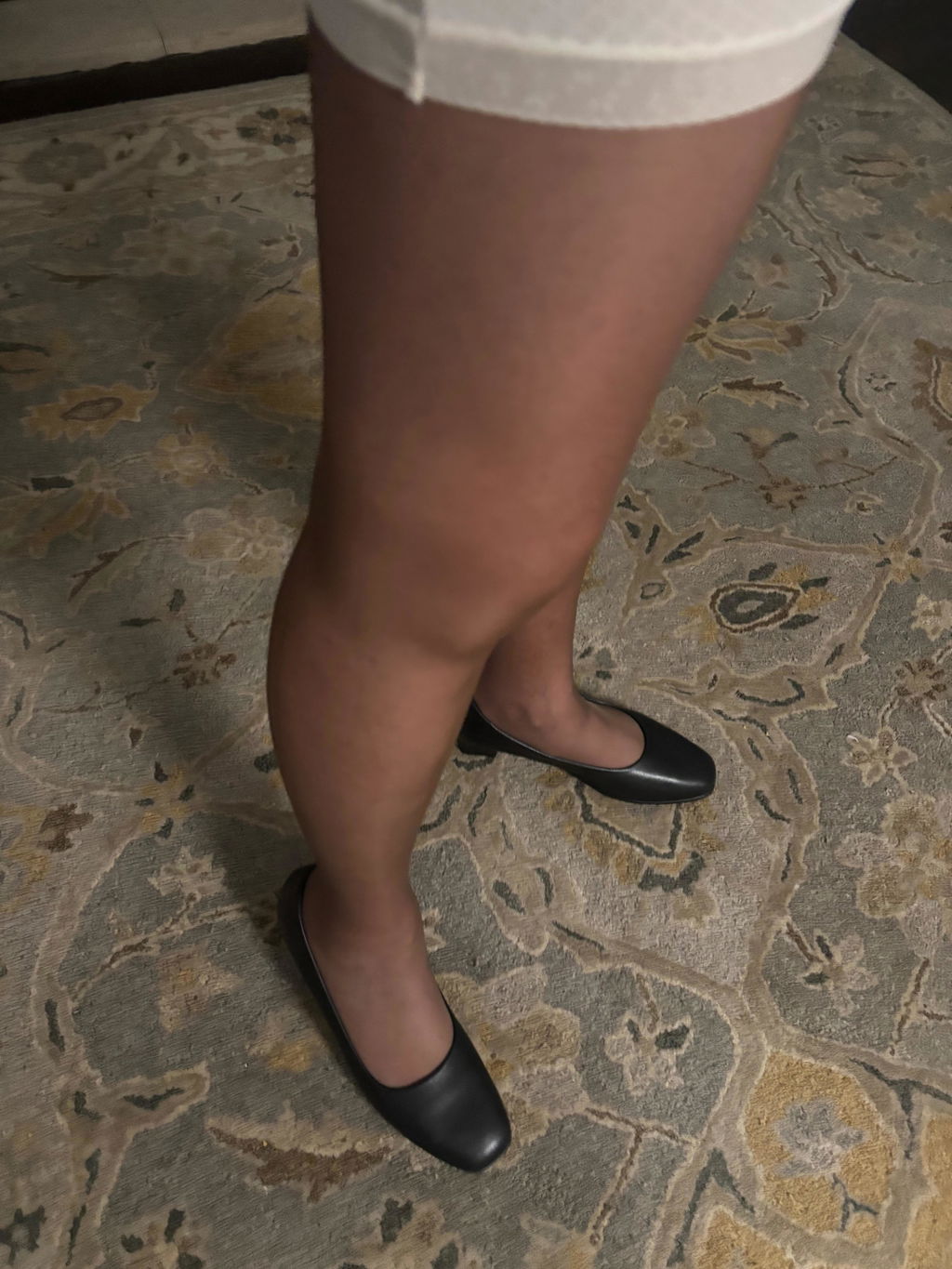
Opaque Tights Product Review for Everyday Wear
Share
A pair of opaque tights can look perfect in the package and still disappoint by lunchtime: a waistband that rolls, knees that turn shiny, fabric that slips at the heel, or a color that does not look as rich as expected. This opaque tights product review focuses on the details that matter after you get dressed, walk through your day, sit at your desk, or send your child off to school.
For most shoppers, opaque tights are not a special-occasion purchase. They are a practical wardrobe layer for dresses, skirts, uniforms, boots, and cooler weather. The best pair is not simply the thickest one. It should feel comfortable at the waist, cover evenly from ankle to thigh, stay in place, and suit the temperature and activity level of the person wearing it.
What Makes Opaque Tights Worth Buying?
Opacity is the first expectation, but it is only one part of performance. In hosiery, denier generally indicates the weight and thickness of the yarn. A higher denier often creates denser coverage and a warmer feel, while a lower denier may feel lighter and have a more refined appearance. It is useful guidance, not an absolute rule. Fiber blend, knitting density, color, and stretch all affect how opaque a pair looks once it is on the leg.
For everyday wear, a medium-to-high denier style is usually the most versatile choice. It gives a polished, even finish under a work dress or skirt without necessarily feeling heavy indoors. For late fall, winter errands, school uniforms, and cold offices, cotton-rich or warm tights can be a better match. They trade some of the sleek, sheer-hosiery look for softness and insulation.
A well-made opaque style should look consistent through the leg. Some stretch is normal around the knee and thigh, especially when sitting or bending. The concern is excessive thinning that makes the fabric appear streaky or nearly transparent in high-stretch areas. This can happen when the size is too small, but it can also reveal a fabric that does not recover well.
Opaque Tights Product Review: Fit Comes First
The most useful review point is fit, because even excellent fabric cannot perform well in the wrong size. Tights should reach the natural waist without forceful pulling at the gusset or pressure at the waistband. When the rise is too short, the tights may slide down during the day. When the legs are too long, excess fabric can gather behind the knees or at the ankles.
Do not choose based on clothing size alone. Check the brand’s size chart and use both height and weight whenever those measurements are provided. If you are between sizes, the better option depends on your proportions and preferred fit. A taller shopper, someone with fuller hips or thighs, or anyone who dislikes firm compression often feels more comfortable sizing up. Someone who is petite and at the lower end of a range may prefer the smaller size for a smoother leg fit.
The waistband deserves close attention. A wide, soft waistband is often more comfortable for all-day wear because it distributes pressure instead of cutting into the midsection. Corrective tights are different by design: they may offer firmer support through the tummy, hips, or upper thighs. That shaping can be helpful under fitted dresses, but it is not always the pair you want for relaxed weekends or long travel days.
For children, correct sizing is especially important. Girls’ tights need enough length in the leg and enough rise for active movement, but too much extra fabric can bunch inside shoes or slip at the ankle. Parents should measure or review the child’s current height instead of relying only on age. Age labels are a starting point, not a guaranteed fit.
Fabric Feel, Warmth, and Everyday Comfort
Nylon and elastane blends are common for smooth, flexible opaque tights. They can create a clean finish that works beautifully with dresses, office outfits, and dressier footwear. The trade-off is that a synthetic blend may not feel as cozy as cotton-rich tights in cold weather, especially for children who spend time outdoors.
Cotton tights offer a softer, more familiar hand feel and are often a favorite for school, casual dresses, and cool-weather layering. They tend to feel warmer and less slippery than classic nylon hosiery. However, they may have a more matte, casual appearance and can be thicker under slim boots or fitted shoes. For a polished evening outfit, a fine opaque microfiber style may be the better choice.
Warm tights may include denser knitting, cotton content, brushed interiors, or other insulating construction. These styles are useful when warmth is the main goal, but they are not identical. Some are best as an indoor-to-outdoor winter layer, while others are made for very cold days and may feel too substantial in a heated classroom or office. Consider where the tights will be worn, not only the forecast.
The inside finish matters, too. Scratchiness at the waistband, toe seam, or gusset can ruin an otherwise attractive pair. Sensitive skin often does better with soft cotton-rich options, a comfortable flat seam, and a fit that does not overstretch the fabric. If a child regularly complains about tights, check the size before assuming the material is the problem.
Durability: What to Expect From Opaque Styles
Opaque tights are generally more forgiving than sheer styles, but no pair is indestructible. Durability depends on yarn quality, knitting construction, fit, footwear, washing habits, and where the tights are worn. A pair used for office wear may last much longer than one worn under boots on busy school days or during playground activity.
Look for reinforced areas when durability is a priority, particularly at the toe and panty section. A reinforced toe can be useful with closed shoes and for anyone whose toes tend to wear through hosiery quickly. Cotton and warm tights may also be practical for children because their denser construction handles frequent use well, although rough surfaces and active play can still cause snags.
The clearest sign of a durable pair is recovery. After a few wears, the knees, ankles, and waistband should return close to their original shape. Bagging at the knees does not necessarily mean the tights are poor quality, but it does make an outfit look less polished. Proper sizing helps prevent it by keeping the knit from being pulled beyond its intended stretch.
Color and Style Are Practical Decisions Too
Black remains the easiest opaque-tights color for workwear, school uniforms, and evening outfits. It visually creates a clean line with black shoes or boots and hides minor signs of wear better than lighter shades. Navy, charcoal, brown, and other deep tones can be equally useful when they coordinate better with a uniform or seasonal wardrobe.
For children, white, cream, and pastel tights are often chosen for celebrations, family photos, and dressy outfits. These colors look sweet and classic, but they show stains more quickly. It can be practical to keep a darker everyday pair for school and play, then save light-colored tights for occasions when a fresh, finished look matters most.
Fantasy and openwork designs add personality, but they serve a different purpose from a basic opaque pair. Textured patterns can make a simple dress feel special, while openwork tights are usually less warm and may be more delicate. They are best selected for the outfit and occasion rather than as the only tights in a child’s drawer or an adult’s weekly rotation.
Care That Helps Tights Last Longer
A little care makes a noticeable difference. Wash tights inside out in cool or lukewarm water with similar delicate items. A mesh laundry bag is especially helpful for preventing snags from zippers, hooks, and rough fabrics. Skip harsh bleach and high dryer heat, which can weaken elastic fibers and reduce recovery over time.
Before putting on tights, smooth rough nails, remove jewelry that may catch the knit, and gather the leg gently from toe to ankle before pulling upward. This method is slower than tugging from the waistband, but it reduces stress on the fabric. For children, it also makes dressing easier when an adult helps position the toe and heel before pulling the tights up the leg.
At ConteByOksana, shoppers can compare classic, cotton, warm, corrective, and fancy tights based on the use that matters most to their household. A pair chosen for the right season, activity, and size is far more likely to become a dependable repeat purchase.
Keep one practical question in mind before adding tights to your cart: where will they be worn most often? The answer usually points you toward the right balance of opacity, softness, warmth, support, and durability.