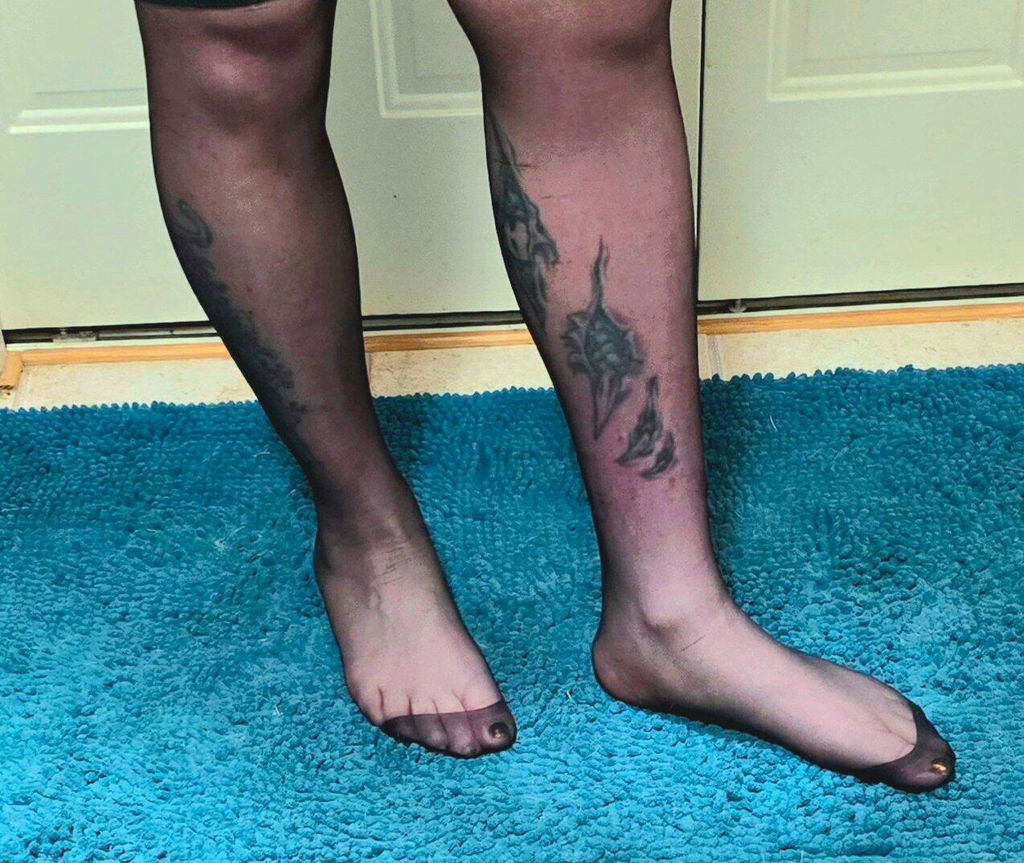
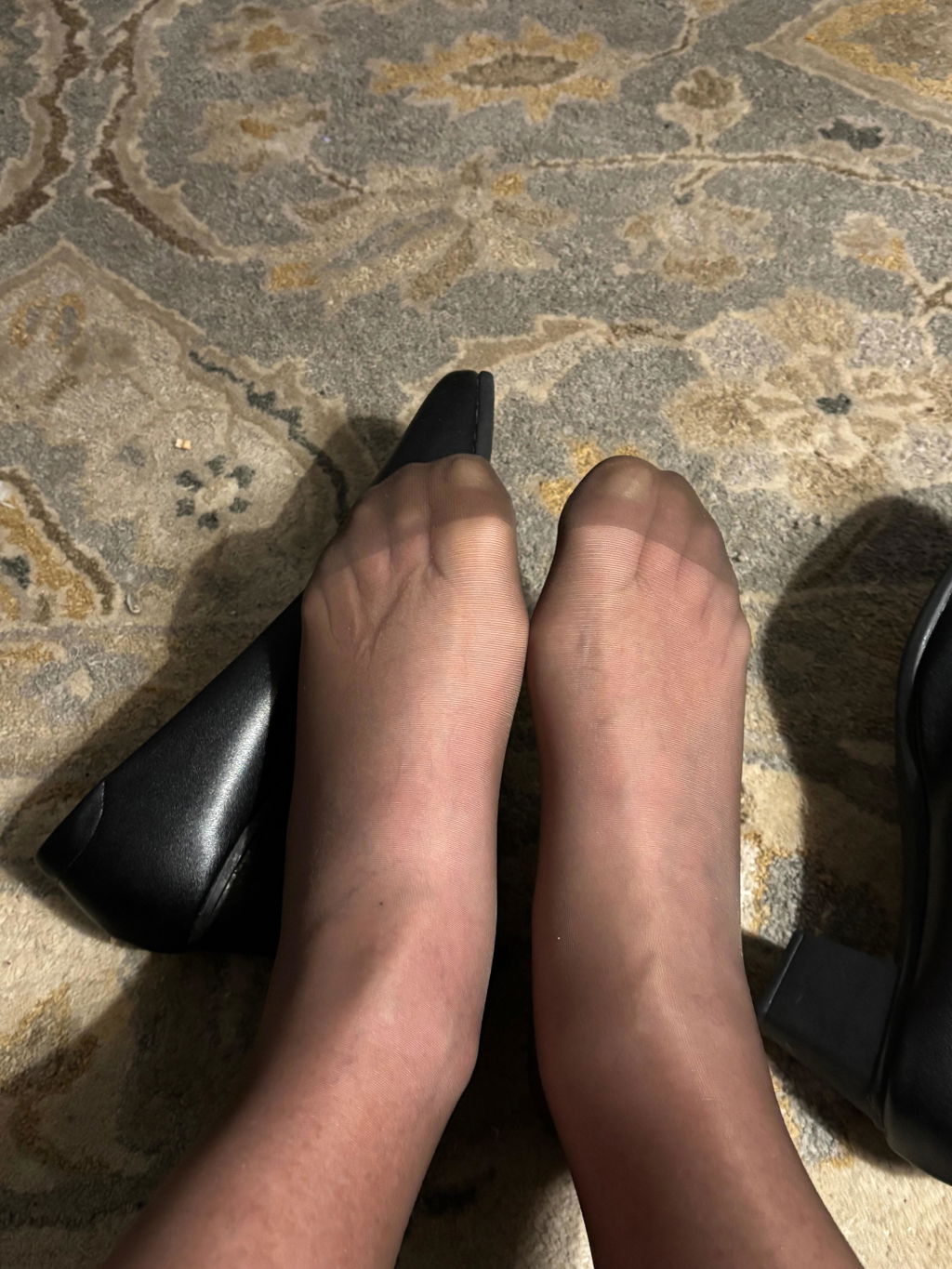
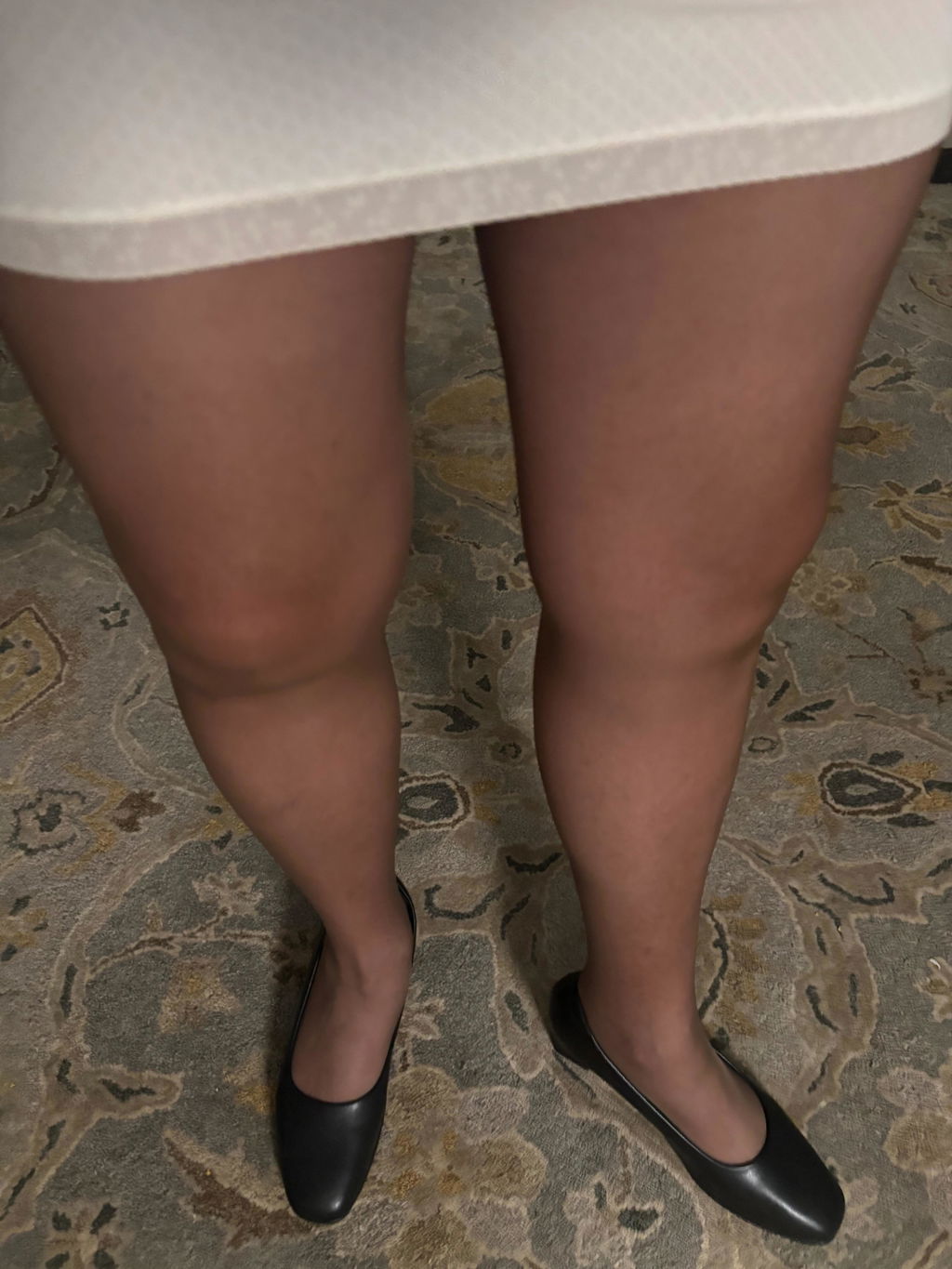
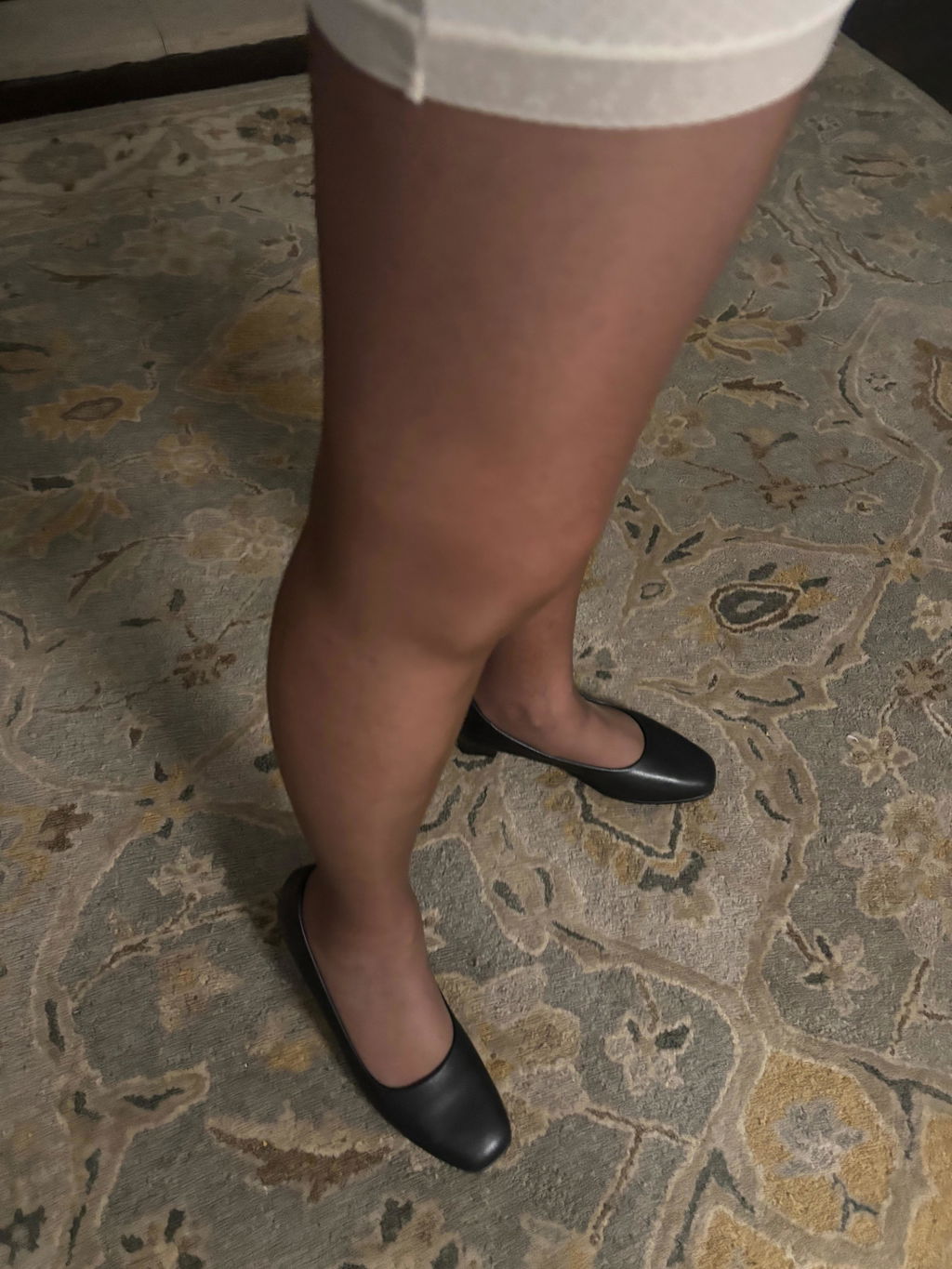
Compression Tights Review for Everyday Comfort
Share
A useful compression tights review should answer one practical question: will these tights feel supportive enough to make a difference without becoming the pair you cannot wait to remove? For everyday shoppers, the best choice is rarely the firmest option. It is the pair that fits correctly, stays smooth through a full day, and gives your legs a comfortably held feeling from morning errands to an evening out.
Compression tights can be a smart wardrobe staple for work, travel, special occasions, and days when you want a more polished silhouette under dresses and skirts. They are not all made for the same purpose, though. Fabric weight, support level, waistband design, and sizing all affect how they wear.
What Compression Tights Should Feel Like
Well-fitted compression tights should feel evenly supportive, not painfully tight in one area and loose in another. The pressure is designed to feel more noticeable around the ankle and lower leg, then comfortable as it moves upward. When the fit is right, the tights should stay in place without digging into the waist or creating a tight band behind the knee.
The first few minutes can feel different from ordinary sheer tights, especially if you usually wear light hosiery. That does not automatically mean the size is wrong. Give yourself time to adjust the fabric evenly over the feet, calves, thighs, and hips before judging the fit. Bunching at the ankle, twisting at the leg, or a crotch that will not sit in place are stronger signs that the size or proportions are not right.
Compression is intended to provide gentle, consistent support. It should not cause numbness, tingling, pain, or deep marks that remain long after you take the tights off. If you have circulation concerns, are pregnant, or have been advised to use a specific compression level, ask your healthcare professional which style is appropriate for you.
Compression Tights Review: The Details That Matter
A product name can tell you that tights are corrective or supportive, but the construction tells you how they may perform in real life. Before choosing a pair, look beyond color and denier.
Support level and intended wear
Light support is often the most versatile option for everyday office wear, dinner plans, and long periods of standing. It can give legs a neater, more even appearance while still feeling similar to regular pantyhose. Moderate support may suit shoppers who prefer a more held-in sensation or want a polished look for travel and extended wear.
Stronger compression is not automatically better for everyone. It can take more effort to put on and may feel too restrictive for casual use if you prefer soft, flexible hosiery. If this is your first pair, choosing gentle or moderate support is usually a comfortable starting point.
Fabric composition and finish
A smooth polyamide and elastane blend is common because it combines stretch, shape retention, and a refined finish. A higher denier usually creates a more opaque appearance and can feel more substantial, while a low-denier style looks lighter and sheerer. Neither is universally better. Choose based on the season, your outfit, and how much coverage you want.
For a professional wardrobe, a matte or softly satin finish in black, nude, or a deep neutral is especially useful. For occasions, a sheer supportive tight can look elegant with a dress while providing more structure than standard hosiery. If warmth is your main need, consider whether cotton-rich or warm tights would serve you better than compression hosiery.
Waistband and tummy support
A wide, soft waistband can make a major difference over a long day. It should lie flat without rolling down or pressing sharply into the midsection. Some corrective tights include shaping through the tummy, hips, or upper thighs. This can create a smoother line beneath fitted clothing, but the shaping panel should still allow comfortable movement when sitting.
For shoppers who dislike a firm control-top feel, look for support focused primarily on the legs rather than the abdomen. A less restrictive waistband may be the better choice for daily comfort, even if it offers a lighter smoothing effect.
Fit Is More Important Than Guessing by Height Alone
Compression tights are less forgiving than loose leggings or regular socks. Sizing by height alone can leave you with a pair that is too short in the rise or too loose through the ankle. Use the size chart provided for the specific product and compare both height and weight whenever those measurements are available.
If you are between sizes, the best choice depends on your proportions and your preferred feel. A shopper with longer legs may be more comfortable sizing up for sufficient length. Someone who prefers firmer support and falls clearly within the lower end of a size range may prefer the smaller option. Do not size down simply because you expect the tights to stretch. Overstretching can make them feel uncomfortable and may shorten their wear life.
Put compression tights on gradually, ideally before your legs are tired or swollen from a long day. Gather one leg down to the toe, position the foot and heel carefully, then work the fabric upward in small sections. Repeat on the other side before pulling the waistband into place. Avoid yanking from the top, which can stress the fabric and cause uneven tension.
How They Perform During a Typical Day
The most successful supportive tights disappear into your routine. They should remain smooth under a pencil skirt, move comfortably beneath a knit dress, and avoid slipping as you walk between meetings or chase children through an afternoon schedule.
A supportive pair may feel warmer than very sheer pantyhose because the fabric is more substantial and closer fitting. That can be welcome in cool weather but less appealing during a hot summer commute. If you live in a warm climate, a lighter sheer style with gentle support may be more practical than an opaque option.
Durability also depends on care and use. Compression tights work hard at high-friction points such as the toes, heels, inner thighs, and waistband. Rough nails, jewelry, and hurried dressing can create snags in any hosiery. Hand washing or using a lingerie bag on a gentle cycle, then air drying, helps preserve stretch and shape. Avoid fabric softener and high heat, which can affect elastic fibers over time.
When Compression Tights Are Worth Choosing
Compression tights make sense when you want hosiery that does more than provide color or coverage. They are particularly useful for a workday that includes standing, seated travel, or a special event where you want a smooth finish under clothing. They can also be a welcome option when ordinary tights tend to sag, slide, or lose their shape by midday.
They may not be the best choice when your priority is a cozy, brushed feel, maximum warmth, or the softness of cotton. In those cases, warm tights, cotton tights, or leggings may offer the comfort you need with less close-fitting support. For children, regular cotton or warm tights are generally the more practical everyday choice unless a specific supportive style has been recommended for an individual need.
At ConteByOksana, the most helpful way to shop is to start with the occasion: sheer support for polished outfits, corrective styles for a smoother silhouette, or warm and cotton options for seasonal comfort. Then check the product size chart before adding a pair to your cart.
A good pair of compression tights should help you feel put together, not preoccupied with your hosiery. Choose the support level you can comfortably wear, take a careful moment with sizing, and let the right pair earn its place in your everyday drawer.