European Hosiery Guide for Everyday Fit and Style
Share
A good pair of tights can make a work dress feel finished, keep a child comfortable through a school day, or add a little personality to a simple outfit. This European hosiery guide is designed for US shoppers who want to choose with confidence, whether they need soft cotton basics, warm winter layers, supportive tights, or a fancy pair for a special occasion.
European-made hosiery is often organized by fabric, denier, construction, and intended use rather than by one broad category. That makes shopping more precise, but it also means that the best choice depends on where and how the item will be worn. A sheer pair for an evening event should not be expected to perform like cotton school tights, and a warm microfiber style will feel very different from a lightweight fashion tight.
European Hosiery Guide: Start With the Job It Needs to Do
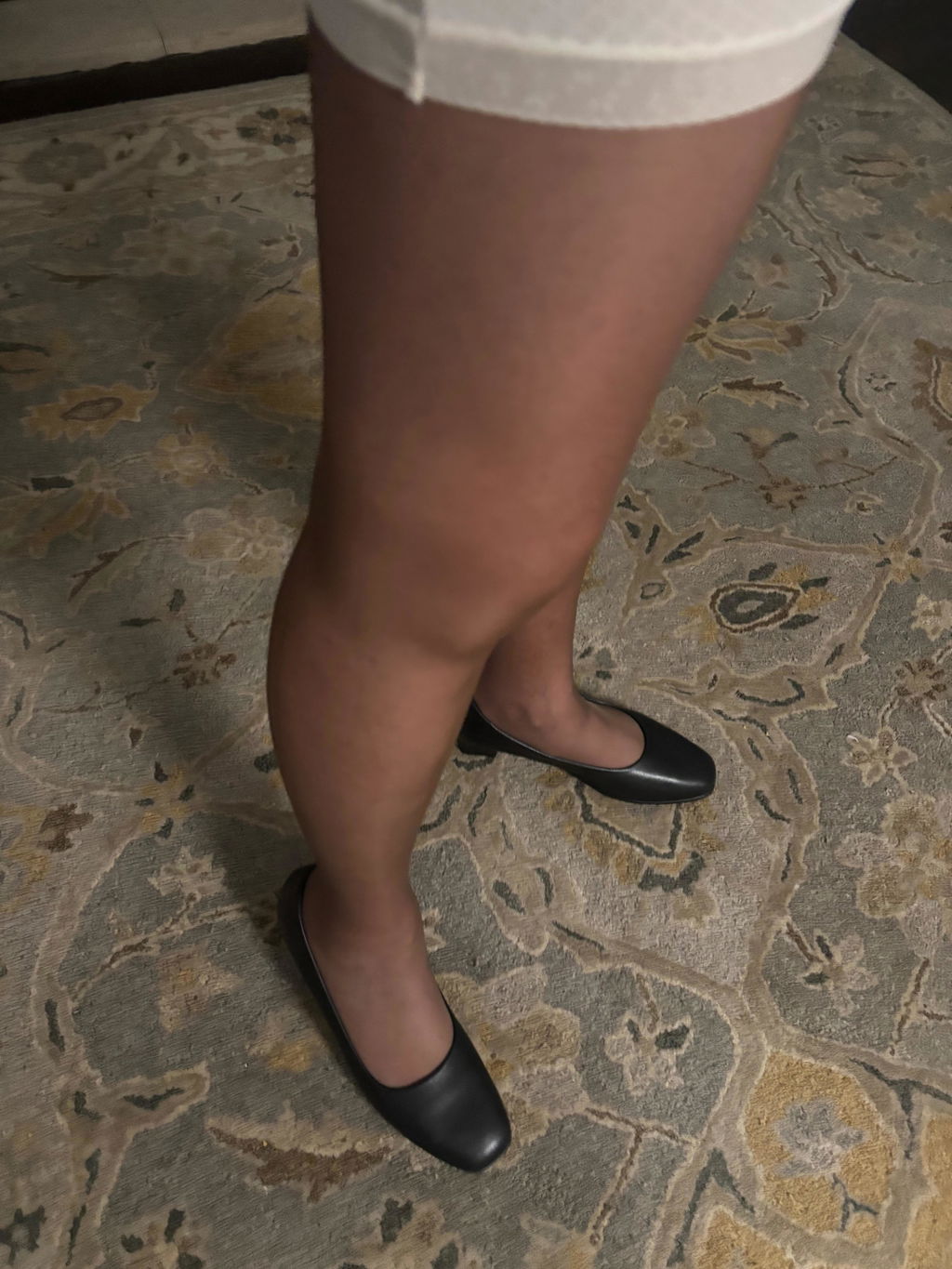
Before choosing color or pattern, think about the role your hosiery needs to play. For everyday office wear, many women prefer an even, polished finish that feels comfortable from morning to evening. For a dressier look, sheer tights or stockings can create a refined leg line without competing with the outfit. For colder months, opacity and fabric weight matter more than a delicate finish.
For children, the priorities are usually simpler: comfort, correct sizing, durability, and warmth. Schoolgirls often need tights that move easily during class and play, hold their shape after washing, and coordinate with uniforms, skirts, or dresses. Cotton-rich tights are a practical choice for regular wear, while warmer styles are helpful for outdoor walks, winter events, and colder classrooms.
A useful way to narrow the selection is to decide whether you are buying for coverage, warmth, support, or decoration. One pair can offer more than one benefit, but it is rarely best at all four. Fine sheer tights look elegant but are naturally more delicate. Dense opaque tights offer coverage and often greater durability, while openwork and fantasy tights are chosen mainly for their visual effect.
Understand Denier Before Choosing Sheer or Opaque Tights
Denier is one of the most helpful terms when shopping for nylon or microfiber tights. It refers to the weight of the yarn, which generally affects how sheer, dense, and warm the tights appear. It is a practical guide, not a promise of identical thickness across every style, since fiber content and knitting technique also change the final feel.
Very low-denier tights are sheer and light. They work well with dress shoes, event outfits, and warmer weather, but they need gentle handling. Mid-denier styles give more everyday coverage while still looking smooth and refined. Higher-denier tights are more opaque and are often the better choice for fall and winter, particularly under skirts, sweater dresses, and longer tunics.
If you are unsure between two deniers, consider the lighting and the outfit fabric. A sheer black tight may look nearly transparent in bright daylight but deeper in evening light. With a lightweight dress, a heavy opaque tight can feel visually unbalanced. With boots, knitwear, or a structured skirt, opaque microfiber often looks intentional and provides welcome warmth.
Choose Fabric for Comfort, Season, and Wear Frequency
Fabric content tells you much more than whether a pair feels soft when first opened. Polyamide and elastane blends are common in smooth, close-fitting tights because they provide stretch, shape retention, and a clean appearance. Microfiber versions often feel softer and more substantial, making them a dependable option for everyday coverage and cool-weather dressing.
Cotton tights and socks are especially useful when breathable comfort is the main concern. A cotton blend usually includes elastane and other fibers so the garment can recover its shape instead of becoming loose at the knees or ankles. For children, cotton-rich styles are popular for school and daily activities because they feel familiar, layer easily, and are suitable across much of the year.
Warm tights may include denser microfiber, cotton, or brushed interior construction. They are excellent for cold weather but may feel too warm indoors if a child spends the day in a heated classroom or if you are commuting and then working inside. In that situation, a medium-weight opaque tight can be the more versatile choice.
Fit Matters More Than the Number on the Package
Hosiery should feel gently supportive, not restrictive. When tights are too small, the waistband can roll, the fabric can pull at the hips and thighs, and the toe area may feel crowded. When they are too large, the legs may wrinkle, the crotch may sit too low, and the overall look becomes less smooth.
European hosiery sizes may not match the size labels you expect from US ready-to-wear clothing. Many size charts use height and weight together because both affect how the garment stretches over the leg and torso. Use the chart for the specific product whenever possible, rather than automatically choosing your usual dress size.
If you are between sizes, the best answer depends on your proportions and the style. Taller shoppers or those with fuller hips often prefer the larger option for a more comfortable rise. For a highly supportive or corrective style, sizing up simply for extra room may reduce the shaping effect, so check the product guidance carefully. Children should also be sized by current height and build, not only by age, because age ranges can vary widely.
Corrective Tights Offer Support, Not a Different Body
Corrective tights are made with targeted control in areas such as the tummy, hips, or upper thighs. They can create a smoother foundation under fitted dresses, skirts, and occasionwear. The goal is a held, comfortable feeling and a polished silhouette, not discomfort or extreme compression.
Choose corrective hosiery when you want light to moderate shaping for a particular outfit. For an all-day schedule, pay attention to the waistband and the amount of control described. A firmer style may be ideal for a dinner, celebration, or photo-ready outfit, while a lighter control option can be easier for workdays and travel. The correct size is essential here: buying too small will not create better support.
Stockings, Hold-Ups, and Tights Have Different Strengths
Tights provide full coverage from waist to toe and are often the most convenient choice for everyday styling. They work well with shorter hemlines, cooler weather, and outfits where you want a continuous, finished look. They also give more options in opacity, warmth, cotton blends, and shaping features.
Stockings create a more traditional, elegant look and leave the upper leg uncovered. Some require a garter belt, while hold-up stockings use silicone bands to stay in place. Hold-ups can be practical for an occasion, but fit is particularly important. They should rest securely without pinching, and skin lotions or oils can affect how well silicone bands grip.
For a long event, bring a backup pair if your outfit depends on sheer hosiery. Fine hosiery is delicate by nature, especially around shoe edges, jewelry, and rough chair surfaces. This is not a flaw in the item - it is the trade-off for a lightweight, refined finish.
Let Patterned Hosiery Be the Outfit Detail
Openwork, polka dots, stripes, and other fantasy tights can make a simple dress or skirt feel special without requiring a completely new outfit. The easiest styling approach is to pair them with solid colors and clean shapes. A black openwork tight with a simple black dress, for example, keeps the pattern visible without making the outfit feel busy.
For girls, patterned tights can add a playful finishing touch to party dresses and holiday outfits. Choose a pattern that feels comfortable against the skin and consider the shoes being worn. Very textured tights may be better with roomier shoes, while smooth cotton or microfiber tights are usually easiest for school-day footwear.
Care That Helps Hosiery Last Longer
Even well-made hosiery benefits from gentle care. Wash tights, stockings, and delicate socks inside out in cool or lukewarm water, ideally in a lingerie bag if using a machine. Avoid washing them with items that have hooks, zippers, or rough hardware. High heat can weaken elastic fibers over time, so air drying is usually the safest choice.
Put hosiery on slowly, especially sheer styles. Remove rings or bracelets that may snag the fabric, gather one leg down to the toe, and ease it upward rather than pulling hard from the waistband. For children, keeping a few reliable pairs in rotation makes school mornings easier and reduces wear on any single favorite pair.
At ConteByOksana, the best place to start is with the item your day actually requires: a soft cotton basic for a child, a warm opaque tight for winter, a corrective style under a fitted dress, or an exquisite patterned pair for a celebration. The right hosiery should not be something you notice all day. It should fit well, feel appropriate for the season, and let the rest of your outfit do its job.