Tights Denier Guide for Work, Warmth and Style
Share
A pair marked 20 denier can look polished for a dinner out, while 100 denier tights may be the layer you reach for on a cold school morning. This tights denier guide makes those numbers easier to shop, so you can choose hosiery that feels right for the weather, your outfit, and the occasion.
Denier is useful, but it does not tell the whole story. Fiber content, knit construction, color, fit, and care all affect how tights look and perform. Think of denier as your starting point, then check the product details for cotton, microfiber, corrective support, openwork design, or other features that matter to you.
What does denier mean in tights?
Denier, usually written as DEN, measures the weight and thickness of the yarn used in hosiery. A lower number generally means a finer, more transparent knit. A higher number generally means a denser, more opaque pair with more coverage and warmth.
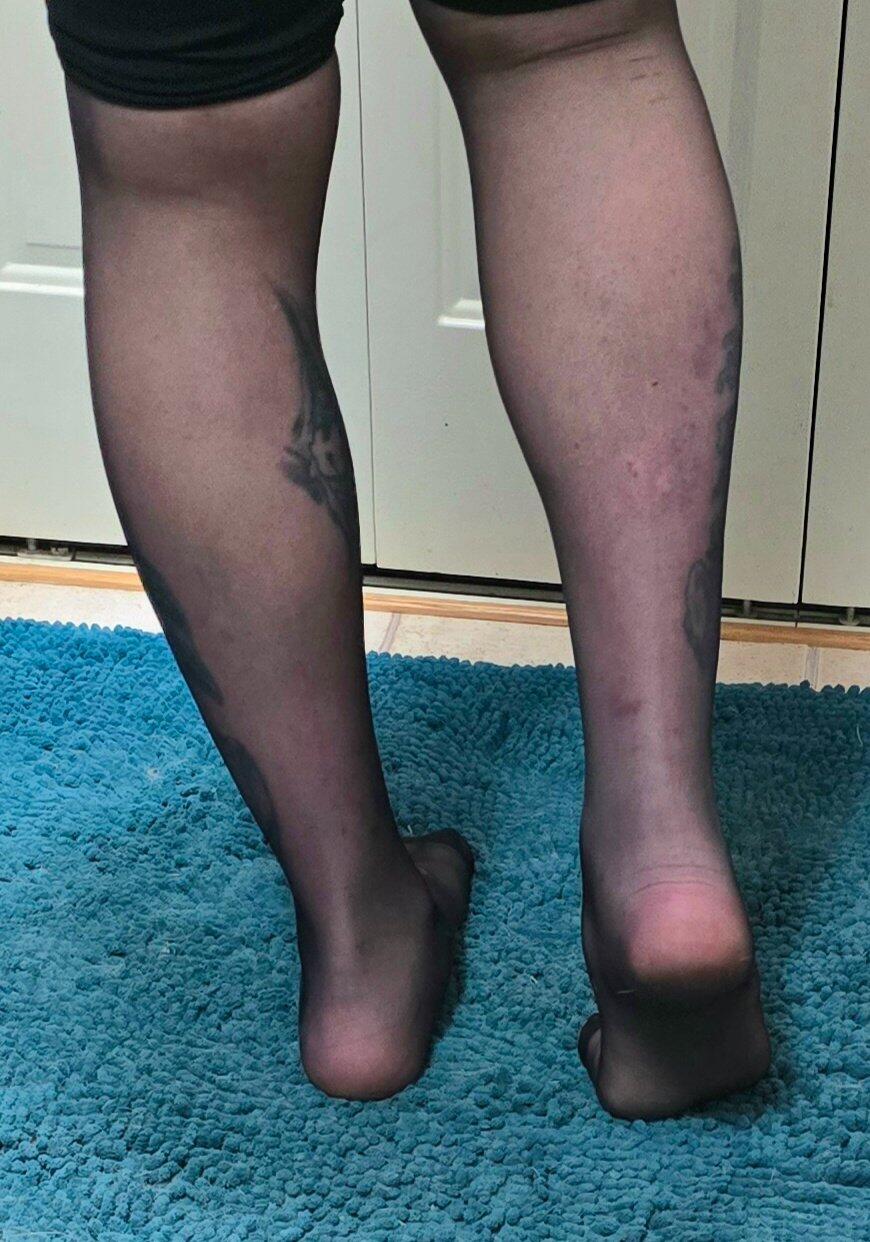
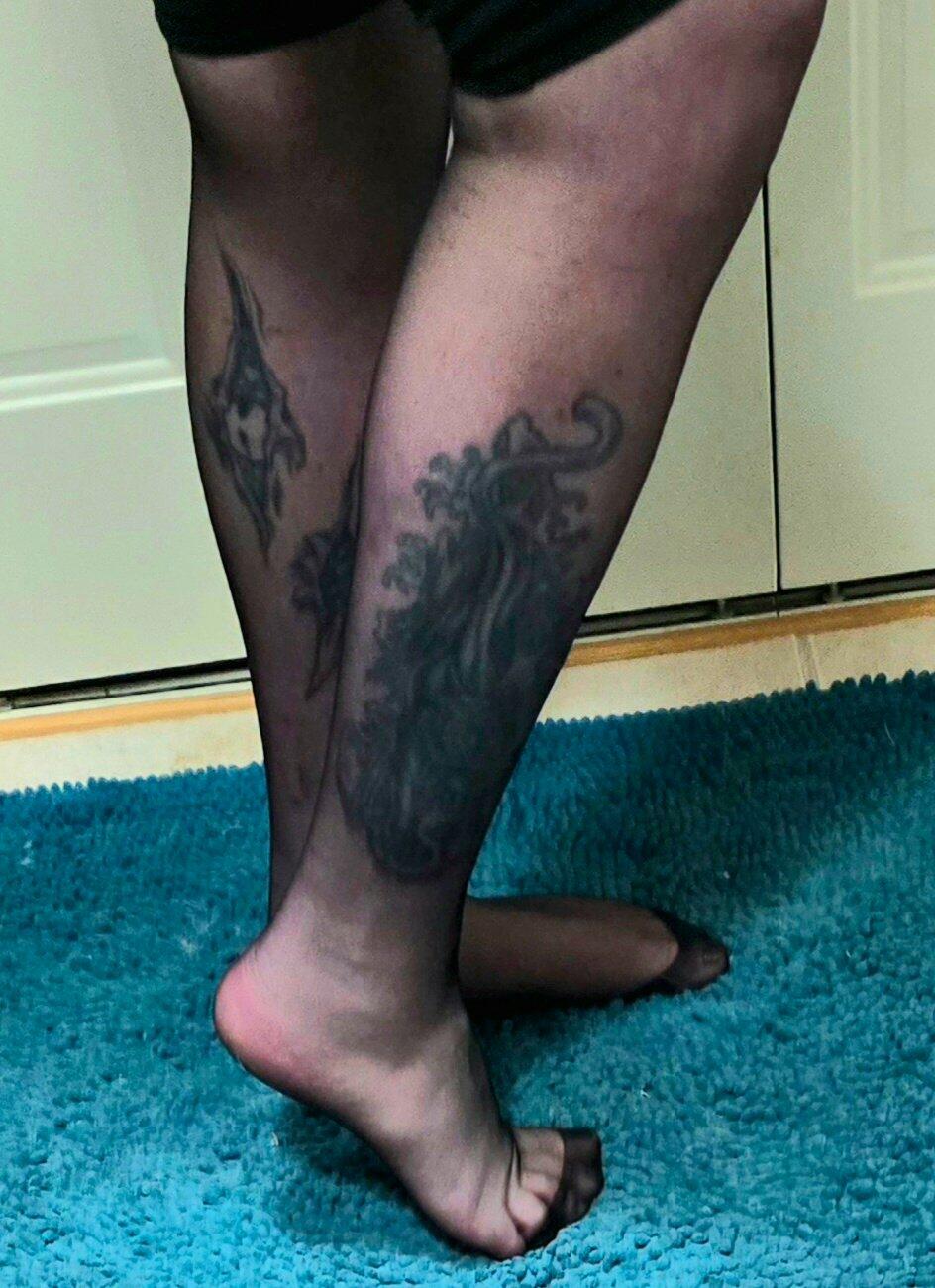
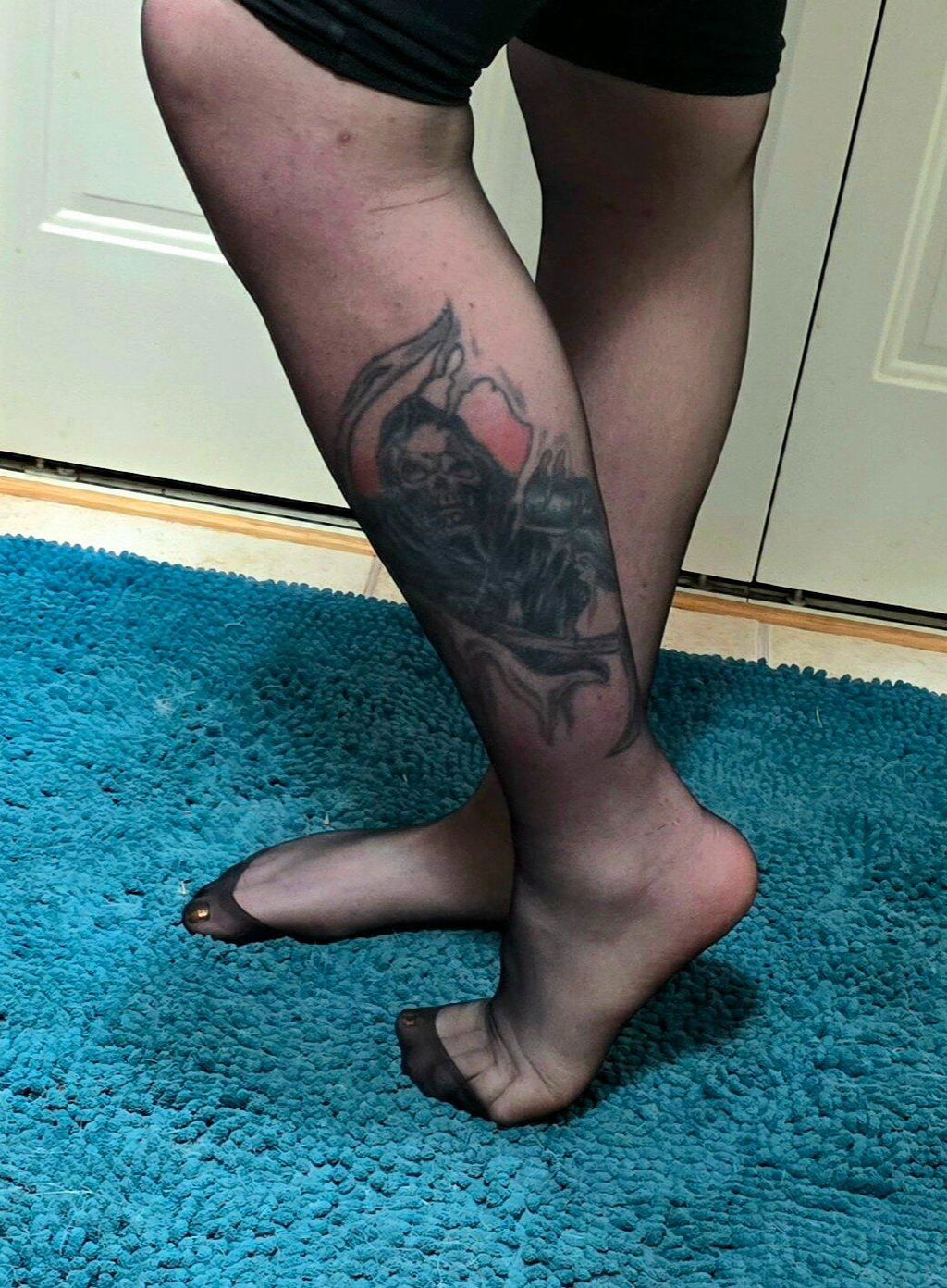
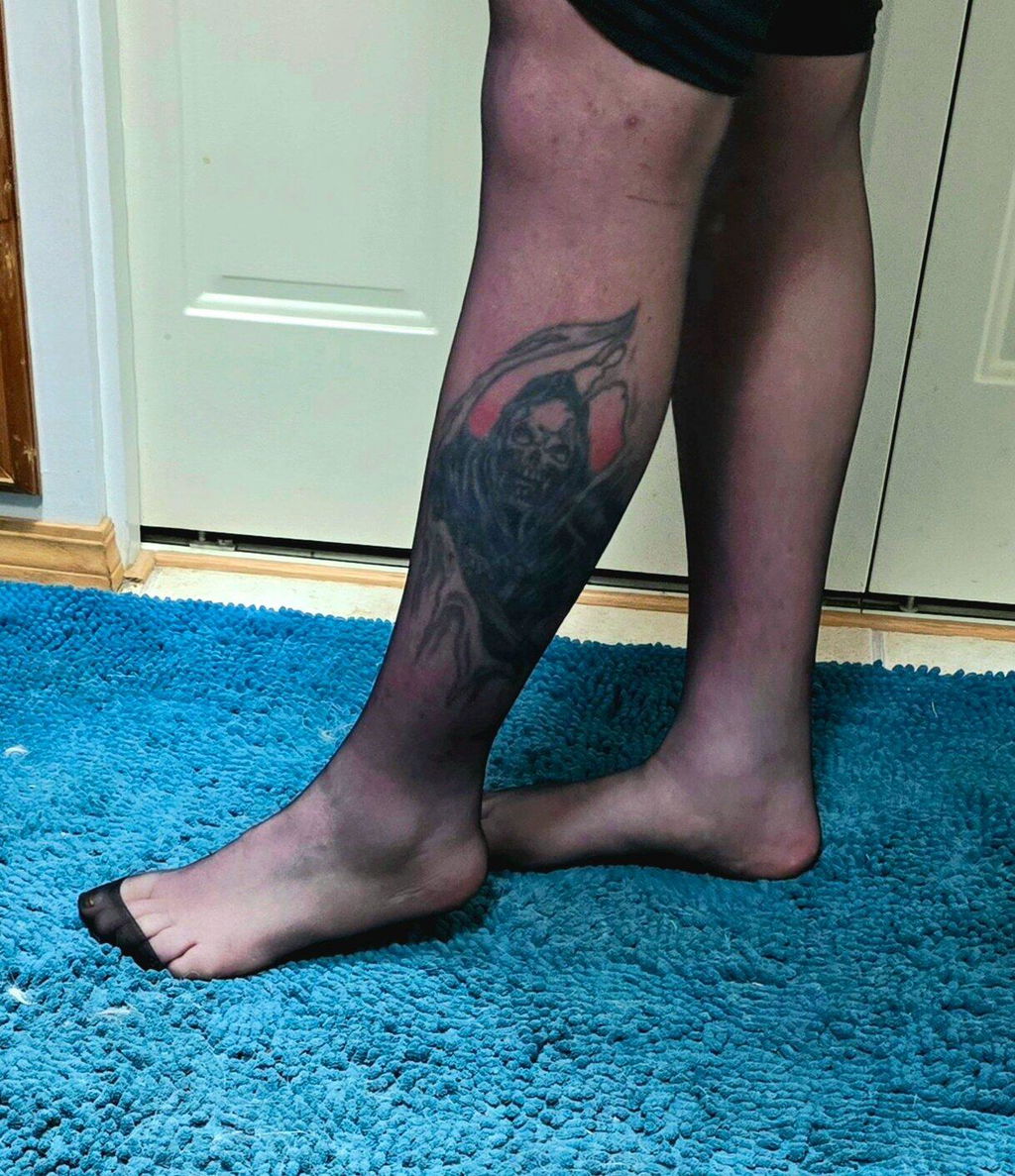
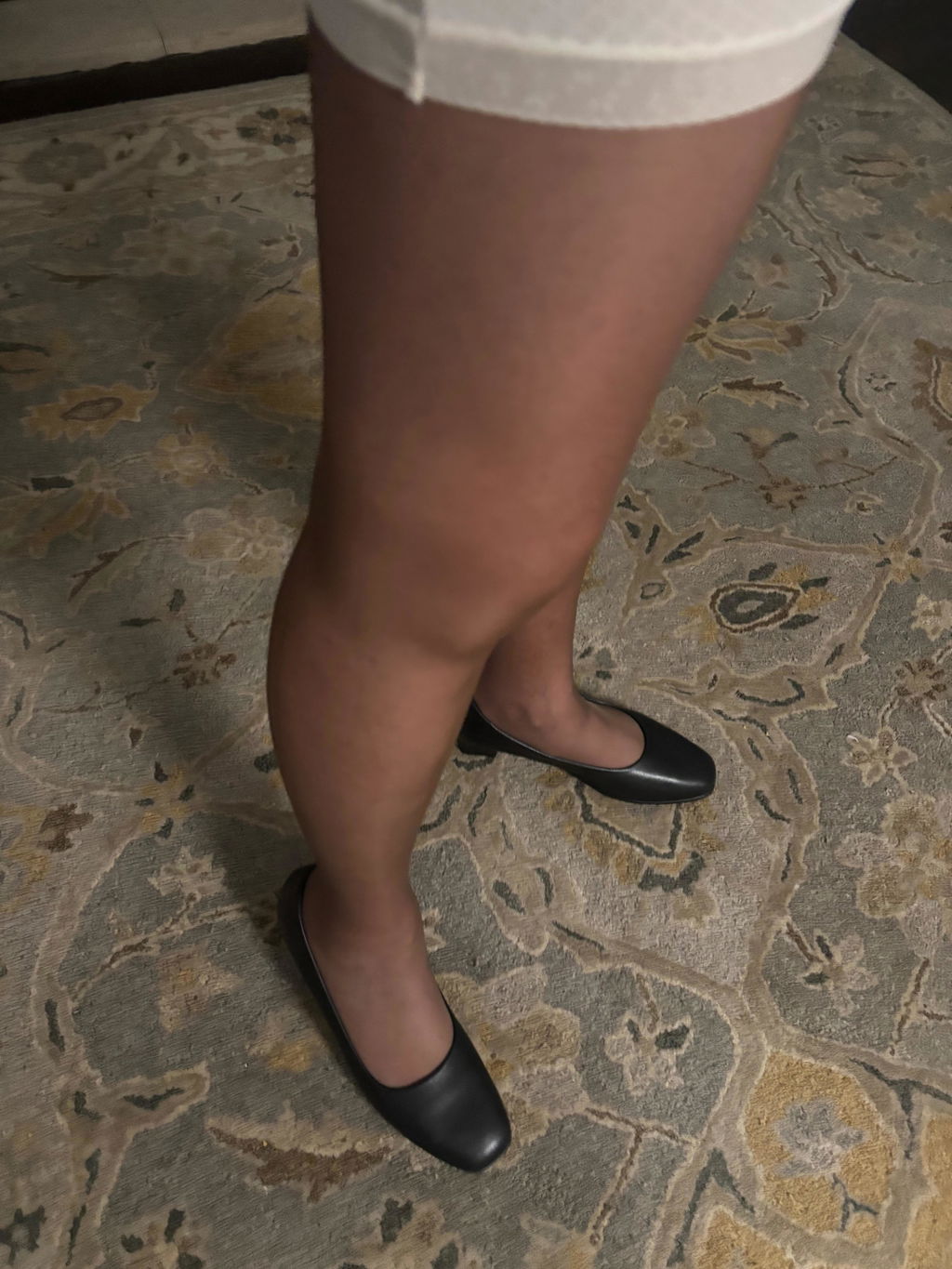
For example, 15 denier tights are usually sheer enough to show the natural tone of your legs. At 40 denier, the finish is more noticeable but can still look refined with dresses, skirts, and workwear. At 80 denier and above, tights are commonly opaque and better suited to cool weather, boots, and everyday warmth.
The word “generally” matters here. Black 40 denier tights may look more opaque than nude 40 denier tights. A textured or patterned knit can also appear denser than a smooth, plain style in the same denier. Product photos are helpful, but the listed fabric composition and description offer the best clues about the final look.
Tights denier guide by coverage and season
5-15 denier: barely there and dressy
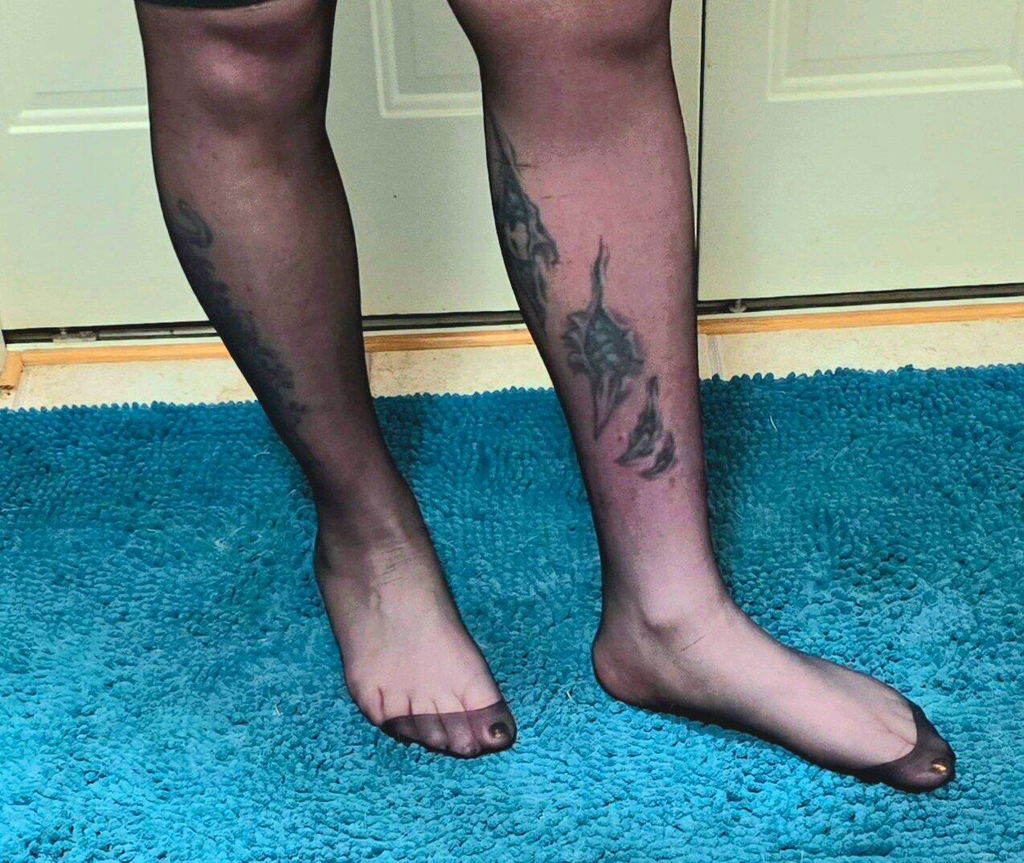
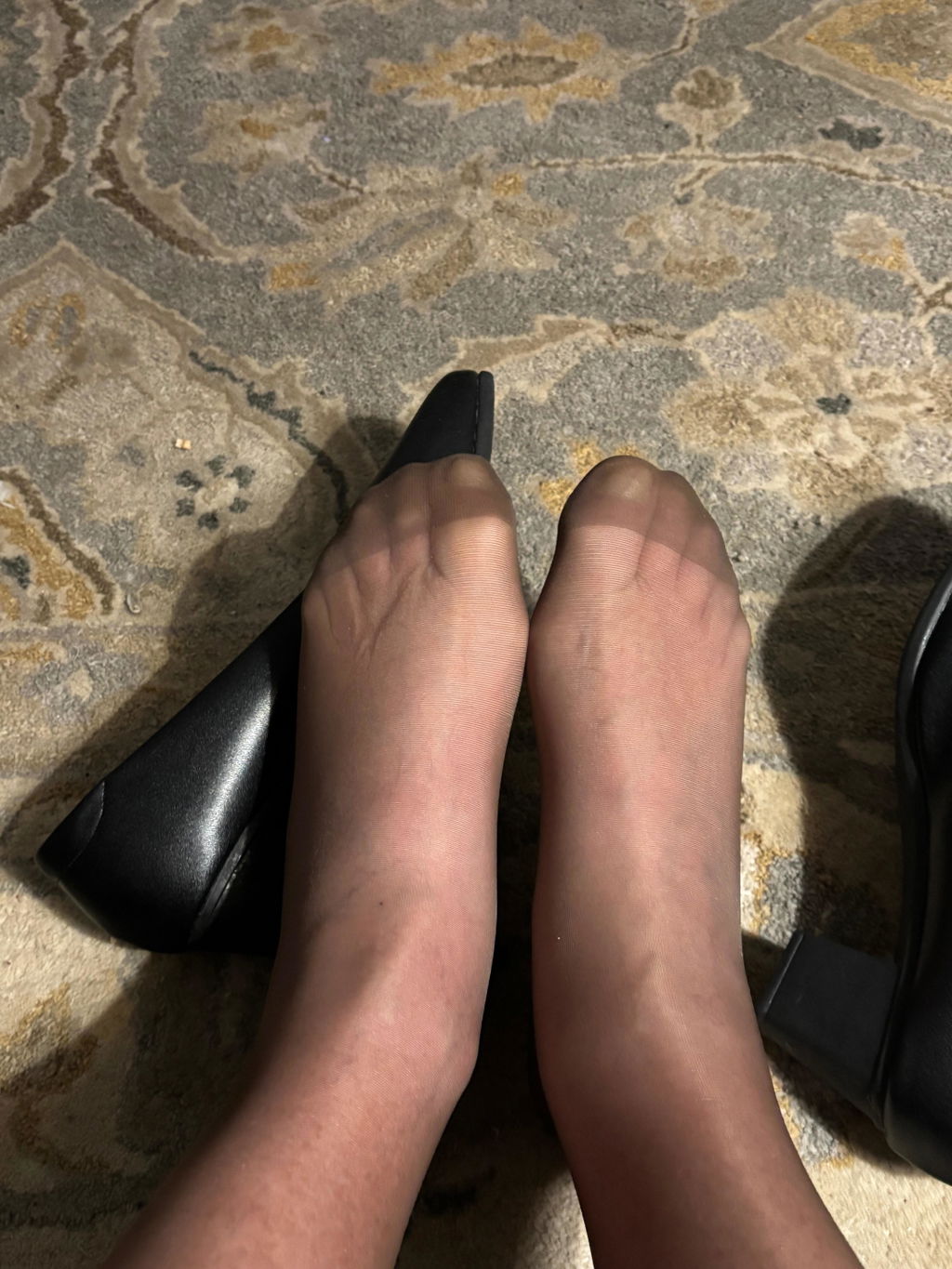
Very sheer tights are made for a light, elegant finish. They work well when you want leg coverage without an obvious hosiery look, such as for formal events, warm-weather celebrations, or a polished office outfit.
These styles are delicate by nature. Choose the correct size, put them on slowly, and avoid catching the knit with jewelry or rough nails. A reinforced toe can be especially helpful with closed-toe shoes, but even reinforced sheer tights need gentler care than opaque styles.
20-30 denier: sheer with more confidence
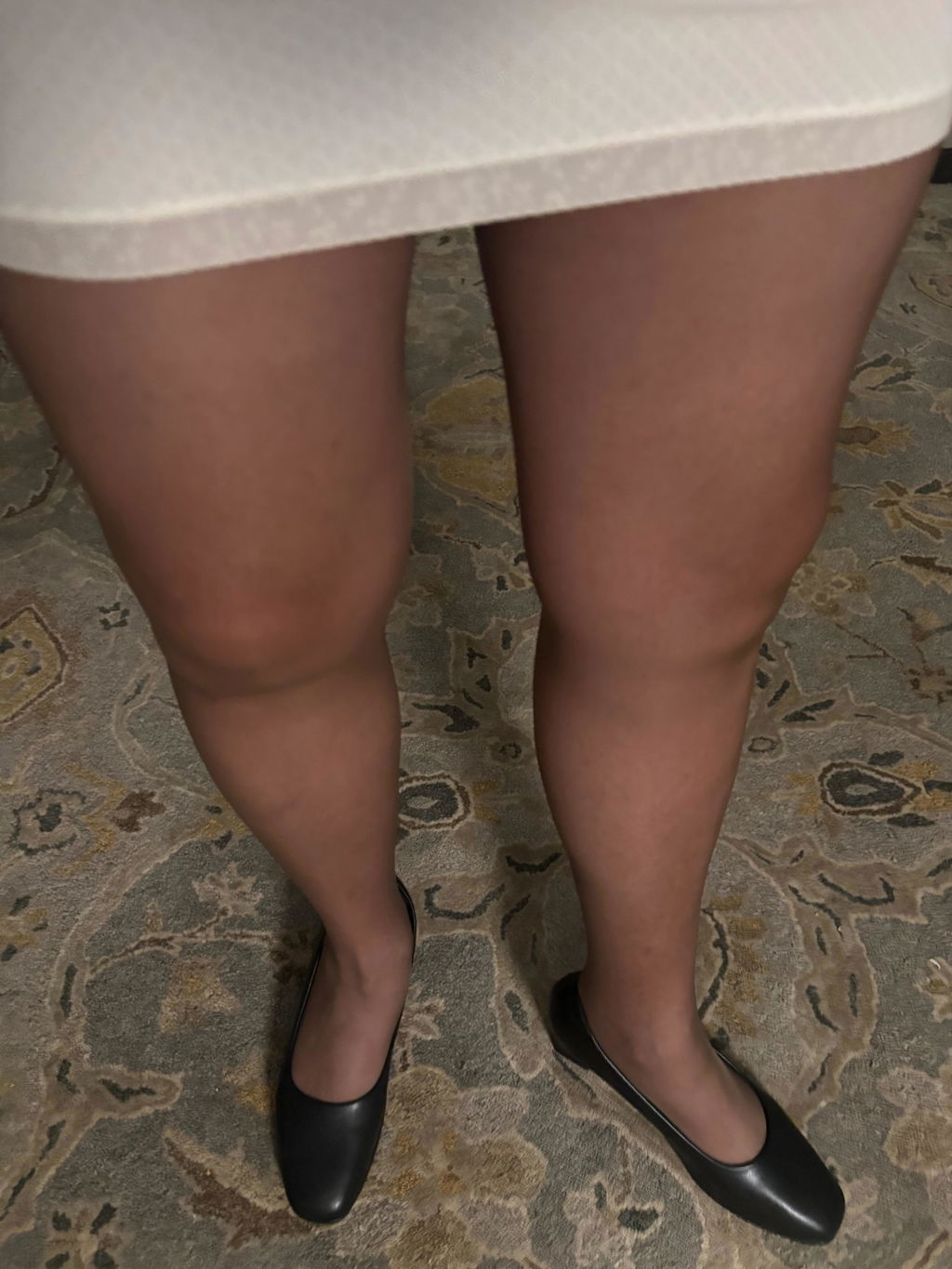
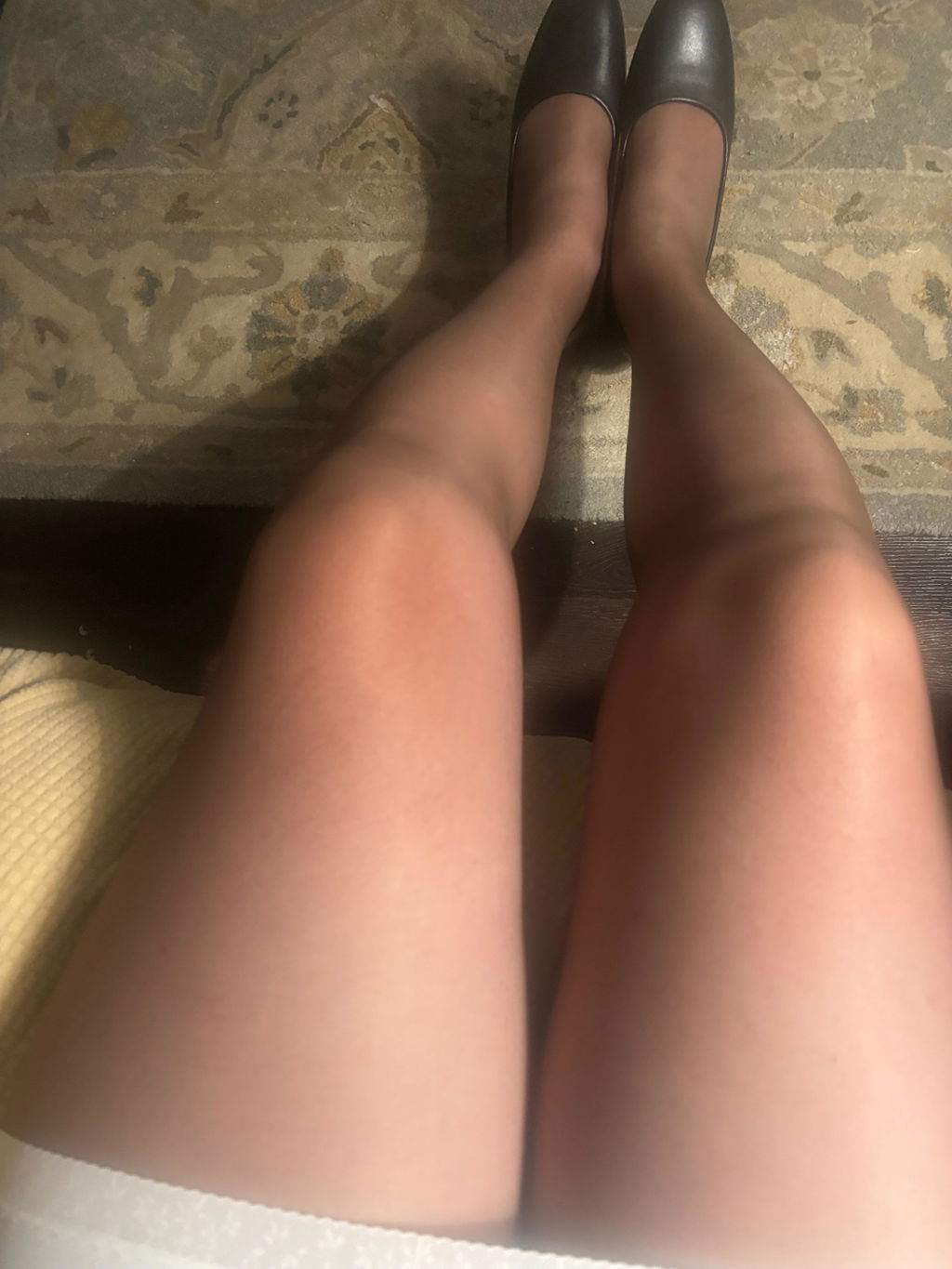
This range is a practical choice for many dressy and professional outfits. You still get a translucent appearance, but the tights usually feel less fragile than ultra-sheer styles. A 20 denier pair is a classic option with a pencil skirt, dress shoes, or a special-occasion dress when the weather is mild.
If you like the idea of sheer tights but want slightly more coverage, 30 denier can be the comfortable middle ground. It is also a good range to consider when you prefer black tights that are refined rather than fully opaque.
40-50 denier: everyday polish
Medium-denier tights offer visible color and more reliable coverage without always looking heavy. This is one of the most versatile ranges for fall, spring, offices with cool air conditioning, and outfits that move from daytime errands to evening plans.
A 40 or 50 denier style can look especially neat with shirt dresses, knit skirts, loafers, ankle boots, and flats. If you are choosing one pair for a busy workweek, this is often a more forgiving option than a very sheer knit.
60-80 denier: opaque and ready for cooler days
At this level, most tights offer full-looking coverage. They pair naturally with boots, longer sweaters, denim skirts, and cold-weather dresses. They can also be a sensible choice for children who need tights for school, family events, or everyday play during cooler months.
Opacity is useful when you want your outfit color to look even from waist to toe. It can also make a small snag less noticeable than it would be in sheer hosiery. Still, opaque does not mean indestructible. A proper fit and careful washing will help preserve the knit.
100 denier and higher: warm layers for winter
High-denier tights are designed for substantial coverage and warmth. Look for microfiber, cotton-rich, or warm styles when temperatures drop, especially if you spend time outdoors, commute on foot, or want an extra layer under dresses and skirts.
For children, warm tights can make getting dressed simpler when leggings alone are not enough. Cotton tights are often appreciated for their soft feel, while thicker synthetic blends may offer a smooth finish and good stretch. The best choice depends on whether warmth, breathability, or a particular outfit color is the priority.
Denier is not the same as warmth
Higher denier usually adds coverage, but it does not automatically mean the tights will be warmer. A 100 denier microfiber style may feel different from a 100 denier cotton blend, and both can feel different from a wool-blend tight. The fiber is just as relevant as the number on the package.
Cotton-rich tights can feel soft and comfortable for daily wear, particularly for children and for anyone who prefers natural fibers against the skin. Microfiber styles often feel smooth, stretchy, and polished. Corrective tights may use supportive fibers and a specially designed panty section to create a firmer feel through the waist, hips, or legs.
If you are shopping for winter, read beyond the denier. Look for words such as warm, cotton, brushed interior, microfiber, or wool blend. If you are shopping for an event, focus more on the level of sheerness, color, and the finish you want under your outfit.
Choose denier for your outfit, not just the forecast
The same temperature can call for different tights depending on where you are going. For a formal dress and pumps, 15 to 30 denier may look most natural. For a work dress and loafers, 30 to 50 denier provides a little more coverage. For a casual sweater dress with boots, 60 to 100 denier often gives the balanced, finished look many shoppers want.
Patterned and openwork tights deserve their own consideration. Their denier may be less useful as a visual guide because the design creates intentional texture and openings. Choose these styles for fashion and personality rather than maximum warmth. On a chilly day, they can still work beautifully indoors or with a longer skirt and tall boots.
Color changes the effect, too. Nude shades are designed to blend with your skin tone and usually look lighter than black tights of the same denier. Black, navy, gray, and deep brown can make a medium denier appear more opaque and more graphic. For children’s outfits, white, cream, and pastel tights may show more through the knit, so selecting the right size is especially helpful for even coverage.
Fit affects how tights look and last
A denier number cannot correct a poor fit. Tights that are too small can feel tight at the waistband, pull at the thighs, and become overly stretched, making the knit look more transparent than intended. They are also more likely to snag or tear under tension.
Tights that are too large may slip, bunch at the ankles, or lose their smooth appearance. For the best result, use the brand size chart and choose according to height and weight rather than selecting only by your usual clothing size. For children, check height carefully and avoid sizing up too far just for extra wear time. A better fit is more comfortable and gives the tights a neater finish.
Put tights on gradually from the toes upward. Gather each leg in your hands, place the foot first, then gently work the fabric over the ankle, calf, and thigh before pulling up the panty section. This small habit helps distribute the knit evenly and reduces stress on the fabric.
Care tips for every denier
Hand washing in cool water is the gentlest option, especially for sheer, openwork, and fantasy tights. If you machine wash, place hosiery in a mesh laundry bag and use a delicate cycle. Avoid bleach and high heat, which can weaken elastic fibers and affect shape.
Air drying is the safest choice. Keep tights away from rough Velcro, unfiled nails, and abrasive shoe interiors. For frequently worn opaque pairs, having two or three colors or styles in rotation can also reduce wear from repeated washing and make weekday dressing easier.
The right denier should support your plans, not complicate them. Whether you need light sheer hosiery for an occasion, comfortable cotton tights for a child, or a warm opaque layer for winter, choosing by coverage, fiber, and fit will help you feel prepared. At ConteByOksana, that means finding a pair that looks lovely, feels comfortable, and earns its place in your everyday drawer.