How to Choose Tights That Fit and Last
Share
A pair of tights can make a dress work for the office, keep a child comfortable through a school day, or add needed warmth when the temperature drops. But the wrong pair can slide down, pinch at the waistband, look uneven, or wear out after only a few uses. Choosing tights starts with more than color. Denier, fabric, construction, and accurate sizing all affect how they feel and how long they last.
For everyday wardrobe planning, it helps to think about where and when the tights will be worn. A sheer pair has a different purpose than cotton tights for school or a warm, dense pair for winter. Once you know the job you need them to do, finding a comfortable option becomes much simpler.
Start With the Right Tights Denier
Denier measures the density of the yarn used in hosiery. In practical terms, a lower denier looks lighter and more transparent, while a higher denier looks more opaque and usually provides more warmth.
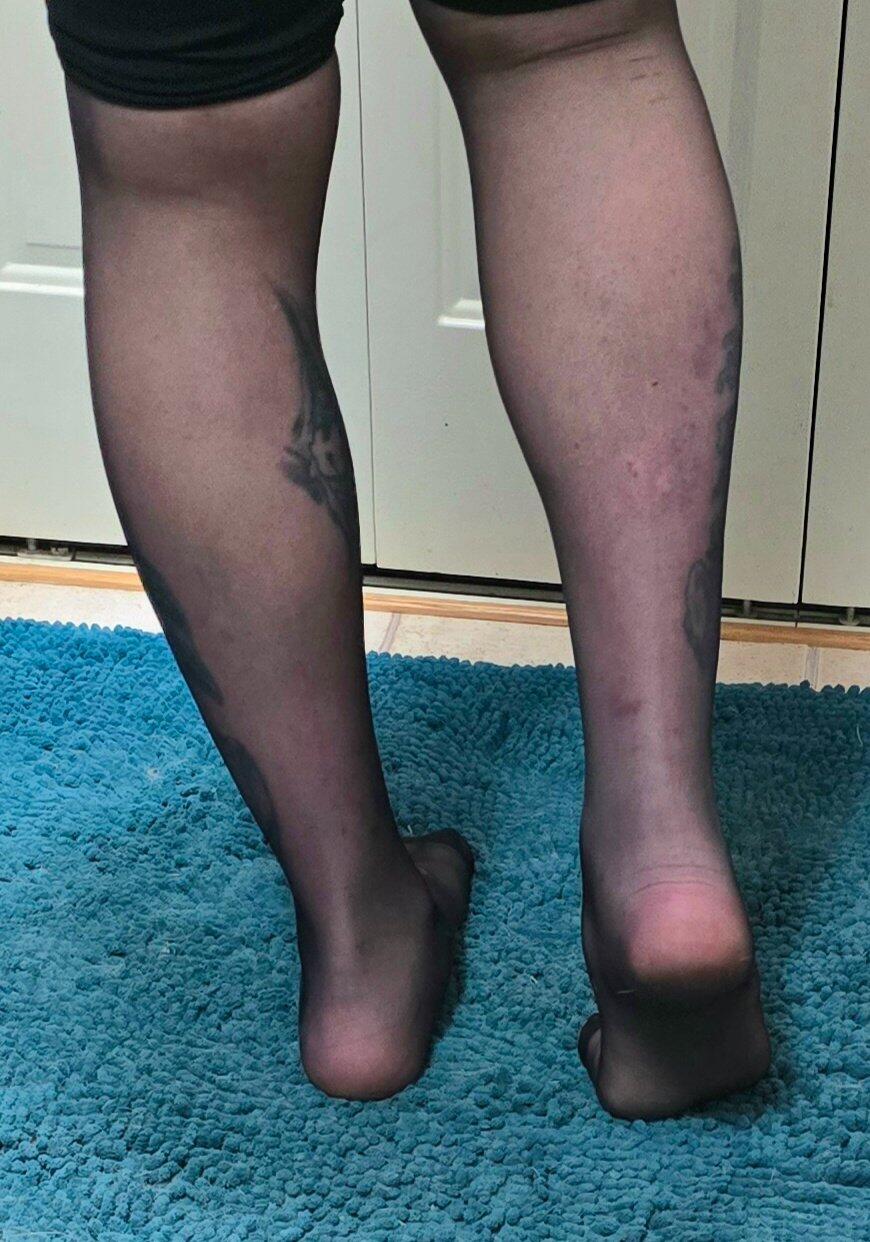
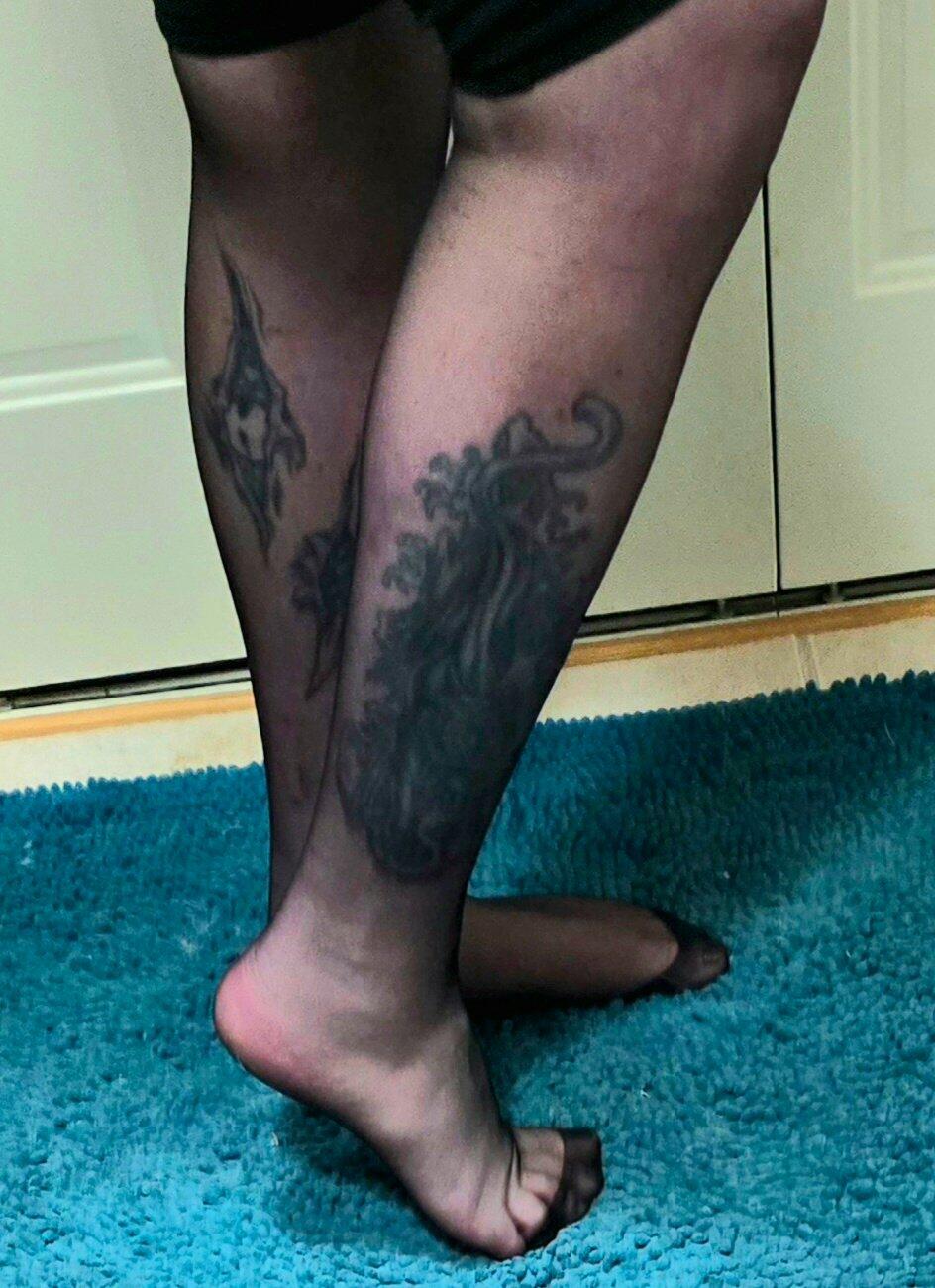
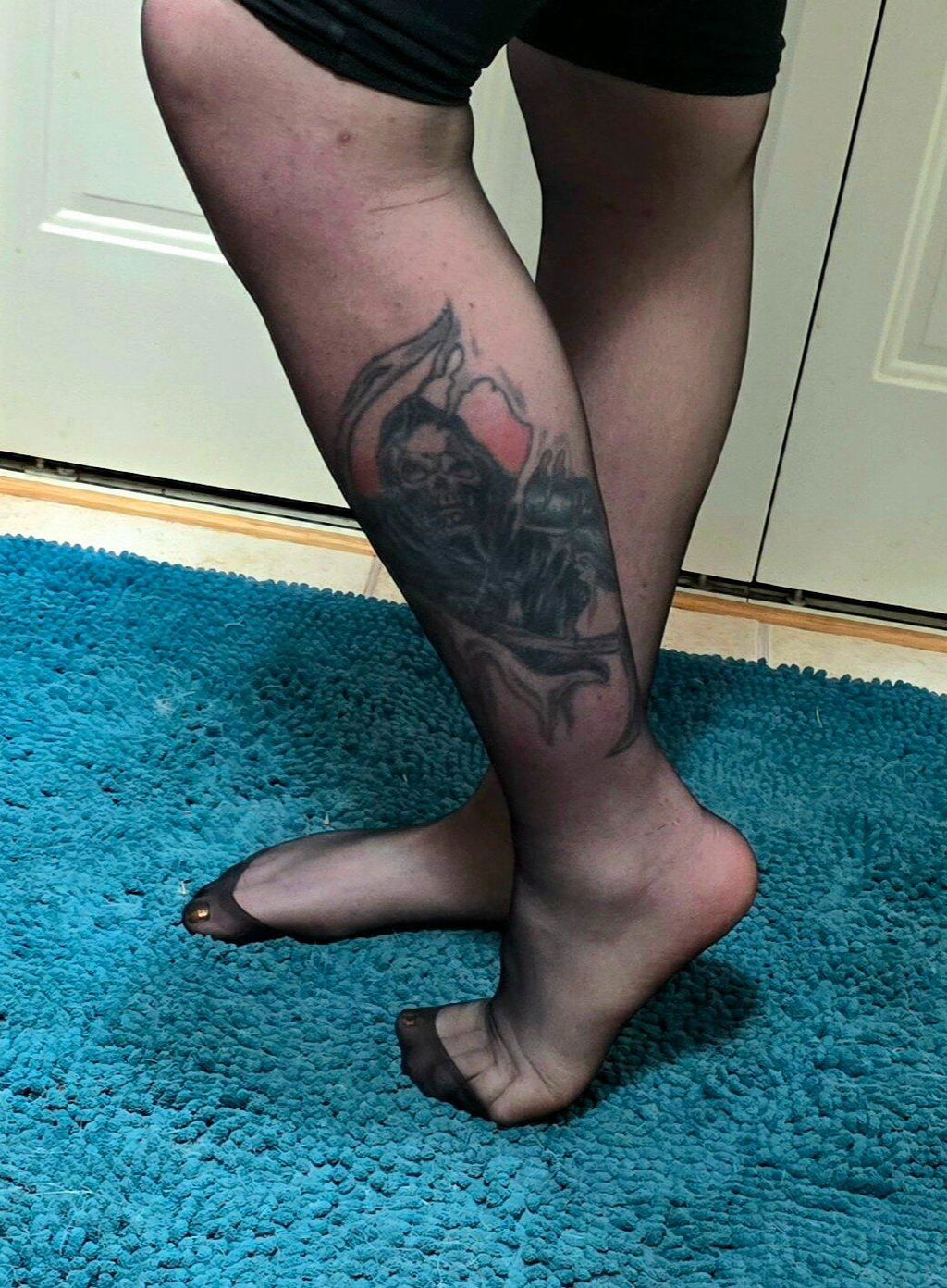
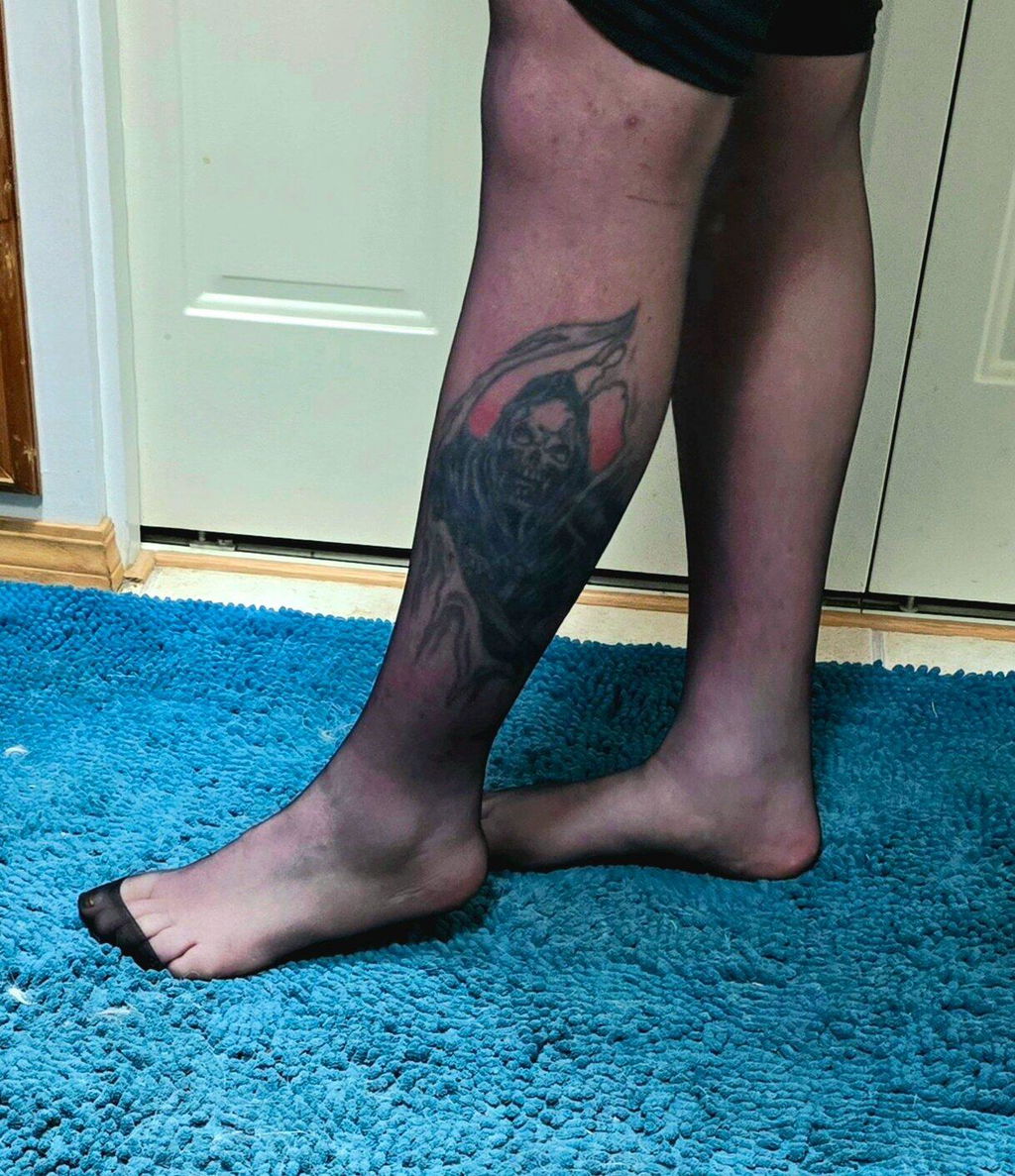
Sheer tights, often in the 8 to 20 denier range, are a polished choice for formal events, warmer weather, or outfits where you want the leg to look naturally finished. They are delicate by nature, so they need gentle handling. If your priority is a refined appearance under a cocktail dress or work skirt, a sheer style can be the right choice, but it will not offer the coverage or insulation of a thicker pair.
Semi-opaque styles, generally around 30 to 50 denier, are a useful middle ground. They provide more even coverage while still looking dressy enough for workwear, church, dinners, and everyday skirts. For many women, this range is the most versatile place to start.
Opaque tights, often 60 denier and above, offer fuller coverage and a more substantial feel. They work especially well with boots, sweater dresses, tunics, and fall or winter outfits. A dense opaque finish can also help create a smoother, more uniform look across the leg. Very warm tights may include cotton, microfiber, fleece-like interiors, or wool blends for added insulation.
Choose Fabric for the Season and Occasion
The fiber content tells you a great deal about how tights will perform. Nylon and elastane blends are common because they stretch well, hold their shape, and give a smooth finish. The amount of elastane matters: adequate stretch helps tights recover after wear instead of becoming loose at the knees or ankles.
Cotton tights are a favorite for cool days and children’s everyday outfits. They tend to feel soft against the skin and can be more comfortable for long school days, family events, or casual play. A cotton blend with elastane is usually preferable to pure cotton because it provides better shape retention and a closer fit.
Microfiber tights have a soft, velvety surface and often feel warmer than their denier number suggests. They are a practical choice when you want an opaque appearance without a stiff or heavy feel. For winter, look for thicker microfiber, cotton-rich styles, or warm tights designed specifically for low temperatures.
For special occasions, fantasy tights and openwork designs bring texture to a simple outfit. Dots, stripes, lace-inspired patterns, and openwork details can make a plain black dress feel more festive. The trade-off is that patterned tights draw more attention, so they usually look best with a less complicated shoe and outfit.
Fit Matters More Than the Number on the Label
Tights should feel supportive, not restrictive. A pair that is too small is more likely to pull at the seams, create discomfort at the waistband, and develop runs. A pair that is too large may bunch behind the knees, wrinkle at the ankles, or slide down during the day.
Use the size chart for the specific brand and style whenever possible. Hosiery sizing commonly considers both height and weight, and children’s tights may be organized by height, age range, or both. For growing children, height is often the most helpful starting point, but body proportions still matter. If a child falls between sizes or has a fuller build, sizing up can provide a more comfortable waistband and better freedom of movement.
For women, do not assume your usual clothing size will always match hosiery sizing. A medium in leggings or jeans does not automatically mean a medium in tights. Check the chart before ordering, especially when selecting corrective tights or more structured compression-inspired styles.
A properly fitted pair should reach the waist without force. The gusset should sit comfortably in place, the legs should look smooth, and the waistband should remain secure when you sit, walk, and bend. If you find yourself pulling tights up repeatedly, the size, rise, or fabric composition may not be right for you.
When Corrective Tights Make Sense
Corrective tights are designed to provide targeted support through areas such as the tummy, hips, thighs, or buttocks. They can be useful under fitted dresses, pencil skirts, and occasion wear when you want a smoother silhouette. They are not the same as medical compression hosiery, and they should not feel painfully tight.
The best corrective tights offer shaping while allowing you to move normally and breathe comfortably. If you are new to this category, avoid choosing the smallest possible size for extra control. Correct sizing gives a better result and is less likely to strain the fabric.
Match Color to Your Wardrobe, Not Just One Outfit
Black tights remain a reliable choice because they pair easily with black boots, loafers, skirts, and dresses. Opaque black is especially practical for fall and winter, while sheer black can look lighter and dressier for an evening event.
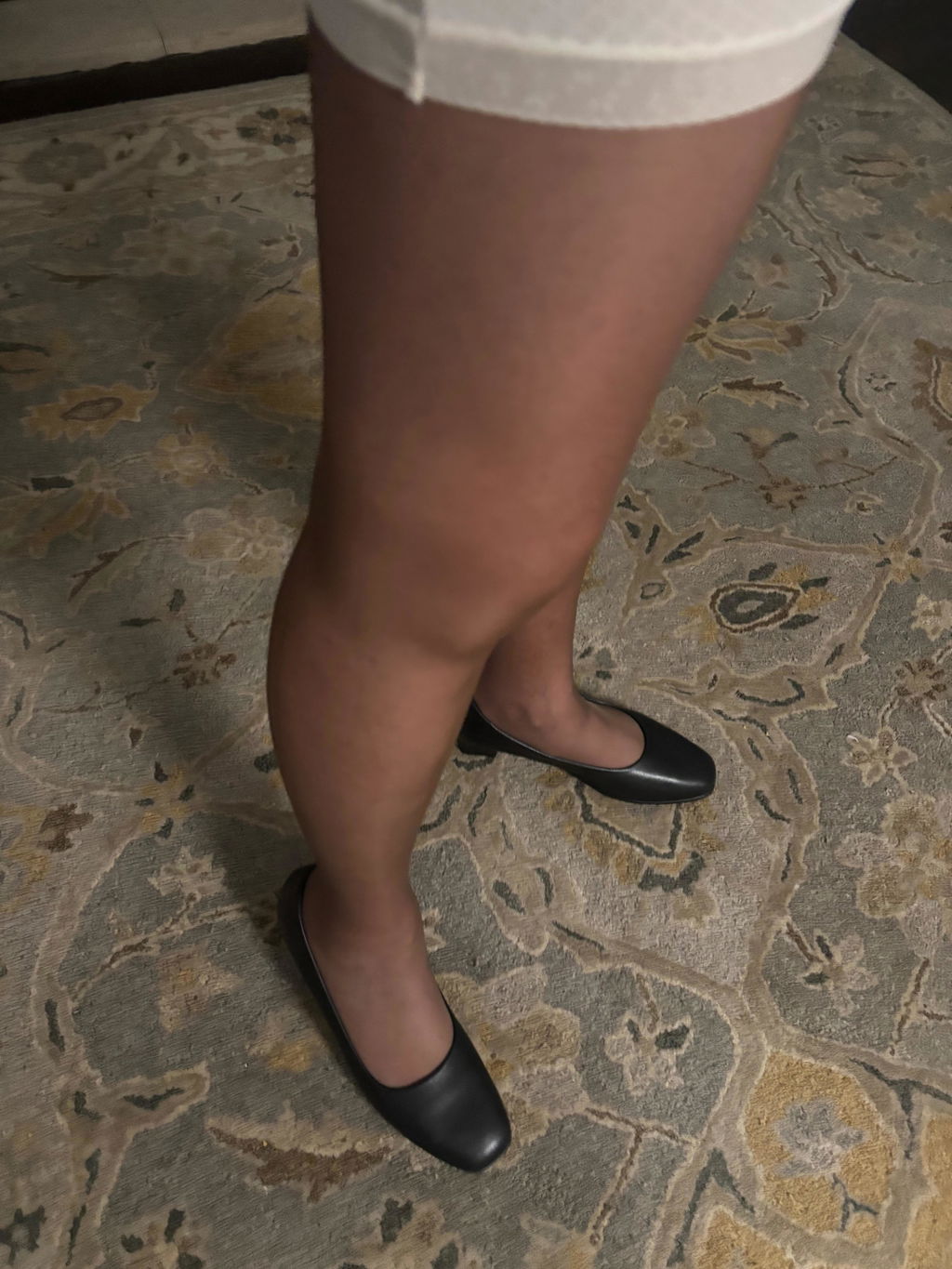
Nude tights can create a clean, finished look when you want coverage without a visible dark leg. The key is choosing a shade that is close to your skin tone and a denier that suits the occasion. A very sheer nude pair is often appropriate for formal events, while a slightly more opaque nude can provide extra confidence and more even-looking coverage.
Gray, brown, navy, burgundy, and other rich colors give you more styling options without the visual boldness of a bright pattern. They can coordinate beautifully with neutral coats, knit dresses, school uniforms, and seasonal outfits. For children, white, cream, and pastel tights are popular for celebrations, photos, and dressy occasions, while darker cotton pairs are usually easier for regular school wear.
Help Your Tights Last Longer
Even well-made tights need careful treatment. Put them on slowly, especially if they are sheer or openwork. Remove rings or bracelets that could catch the fabric, and make sure rough toenails do not snag the toe area. Gather each leg down to the toe, place your foot in first, then gradually work the fabric upward rather than pulling from the waistband.
Hand washing in cool water is the gentlest option. If you use a machine, place tights in a mesh laundry bag, select a delicate cycle, and wash them with similarly soft items. Avoid hot water, bleach, and high dryer heat, which can weaken elastic fibers and shorten the life of the garment. Lay flat or hang to air dry.
It is also smart to keep more than one dependable pair in rotation. This reduces frequent washing and gives you a backup for workdays, school mornings, travel, and special events. For families, keeping a small supply of correctly sized cotton and warm tights can prevent last-minute outfit problems when the weather changes.
Build a Practical Tights Drawer
Most wardrobes do not need dozens of options, but a few purpose-driven pairs make getting dressed easier. Start with a versatile opaque black pair, a sheerer option for dressier occasions, and a warm style for cold weather. Add cotton tights for casual comfort or children’s everyday needs. If you enjoy more expressive outfits, one or two fantasy or openwork pairs can add personality without taking over your drawer.
At ConteByOksana, the goal is to make this choice clearer with tights organized by warmth, fabric, style, and intended use. Whether you are shopping for school-ready cotton tights, supportive styles for a fitted dress, or a warm layer for winter, begin with fit and comfort. The pair you reach for most often is usually the one that supports your day without asking for attention.