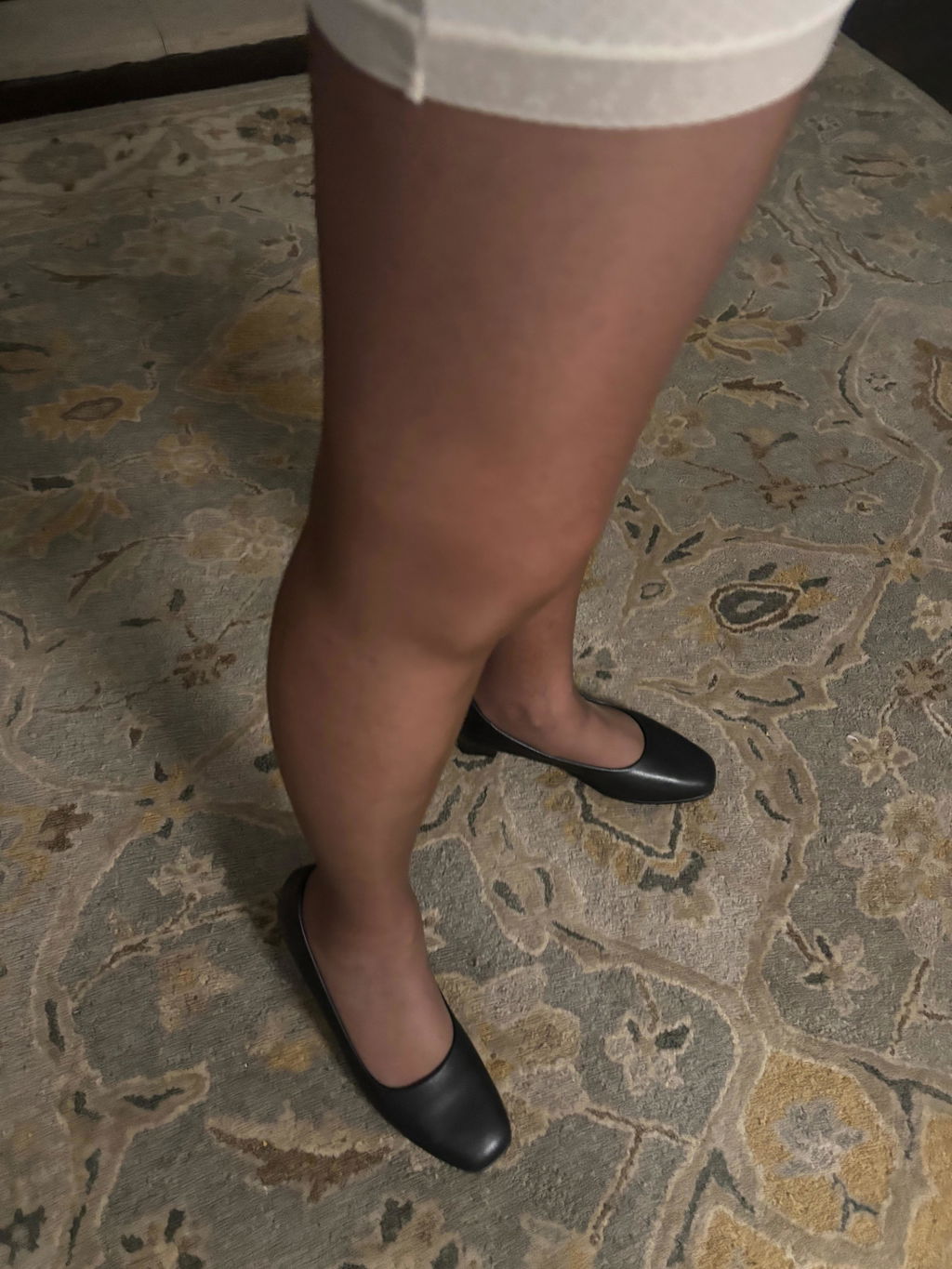
Reinforced Toe Tights Review: Do They Last?
Share
A tiny snag at the toe can end the useful life of an otherwise beautiful pair of tights. It is frustrating when the waistband still fits comfortably, the legs still look polished, and a small hole near the toes sends them to the trash. This reinforced toe tights review looks at what this practical feature can do, who benefits from it most, and what to check before choosing your next pair.
Reinforced toes are not a promise that tights are indestructible. They are a smart construction detail designed to give a high-friction area more support. For women who wear closed-toe shoes for work, parents dressing active schoolgirls, or anyone building an everyday hosiery drawer, that added support can make a noticeable difference.
What reinforced toes actually do
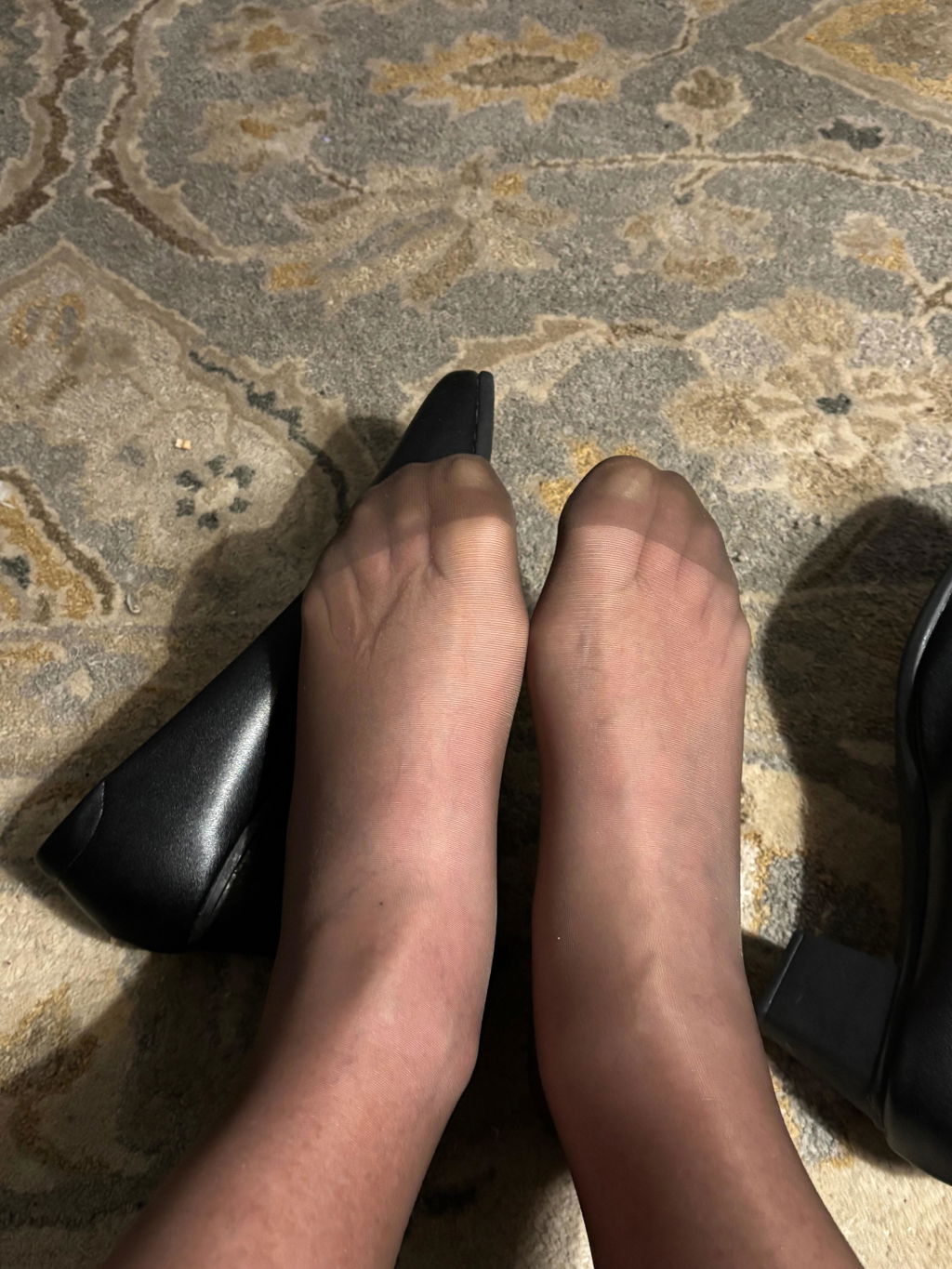
The toe area works harder than almost any other part of a pair of tights. It rubs against shoes, presses against the end of the shoe box, and catches on rough toenails, dry skin, or a sharp edge inside a sandal or boot. Fine hosiery yarn is delicate by nature, especially in sheer styles. A reinforced toe uses a denser knit, extra yarn, or a stronger construction in that small section to help resist abrasion.
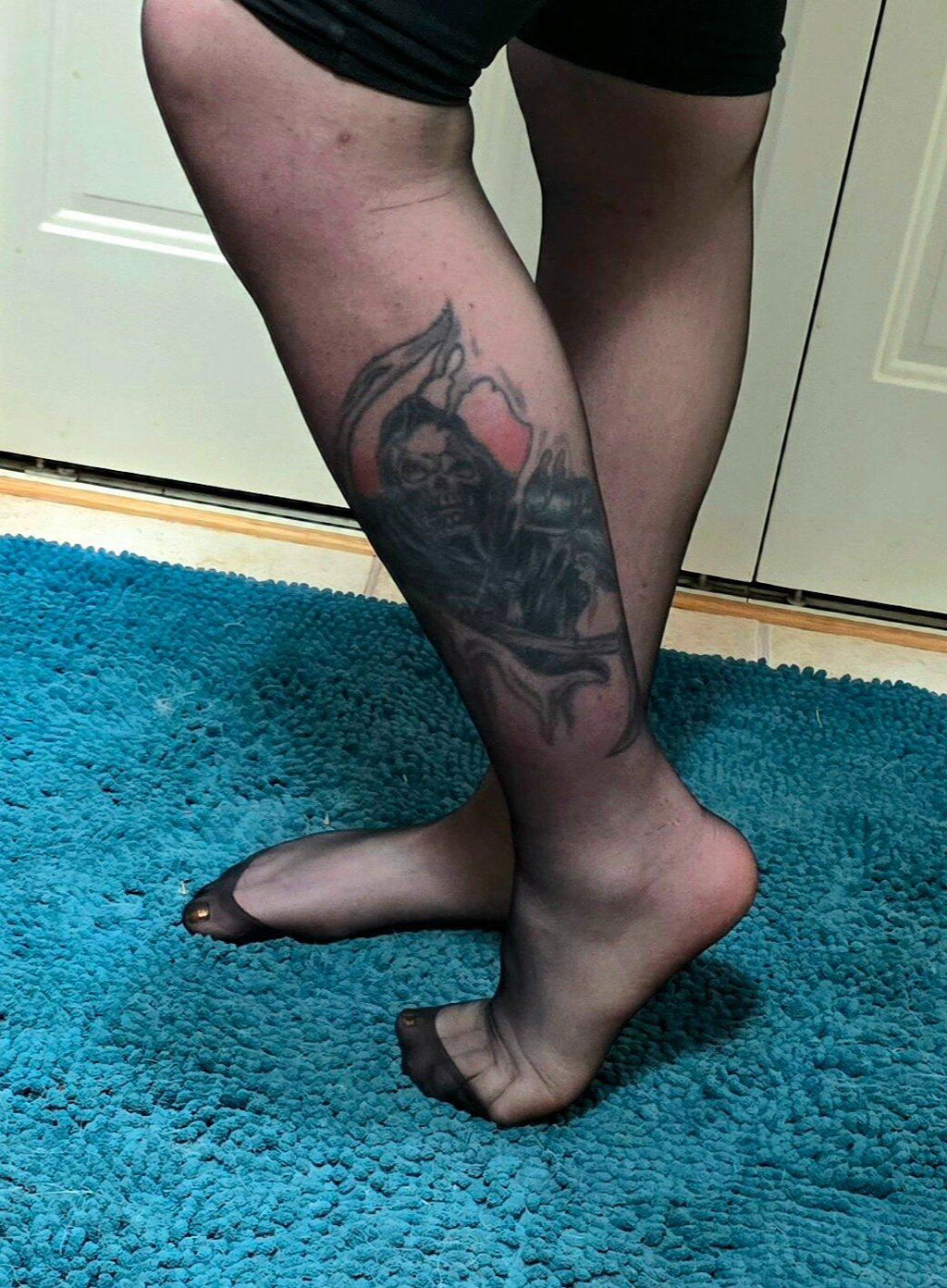
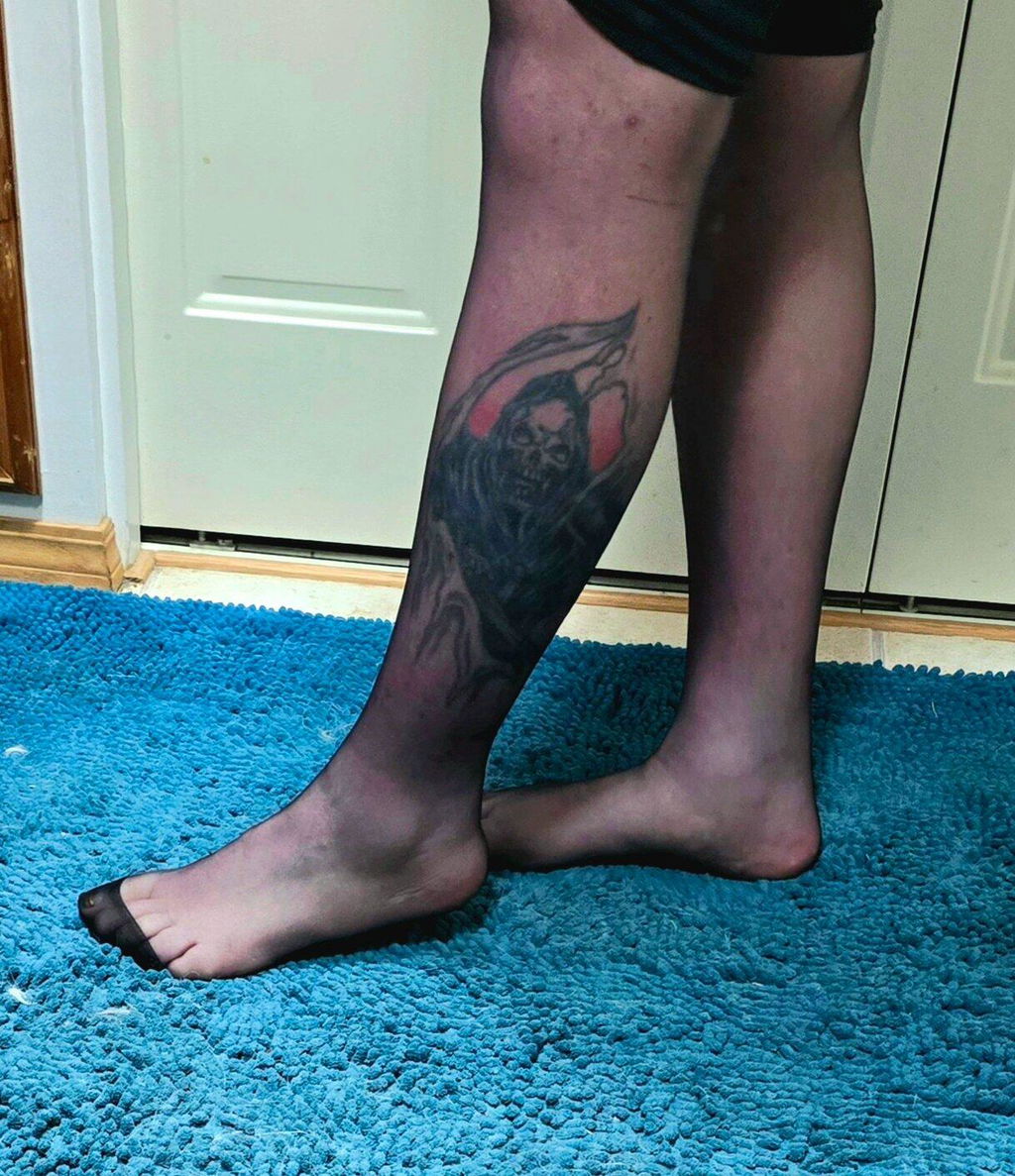
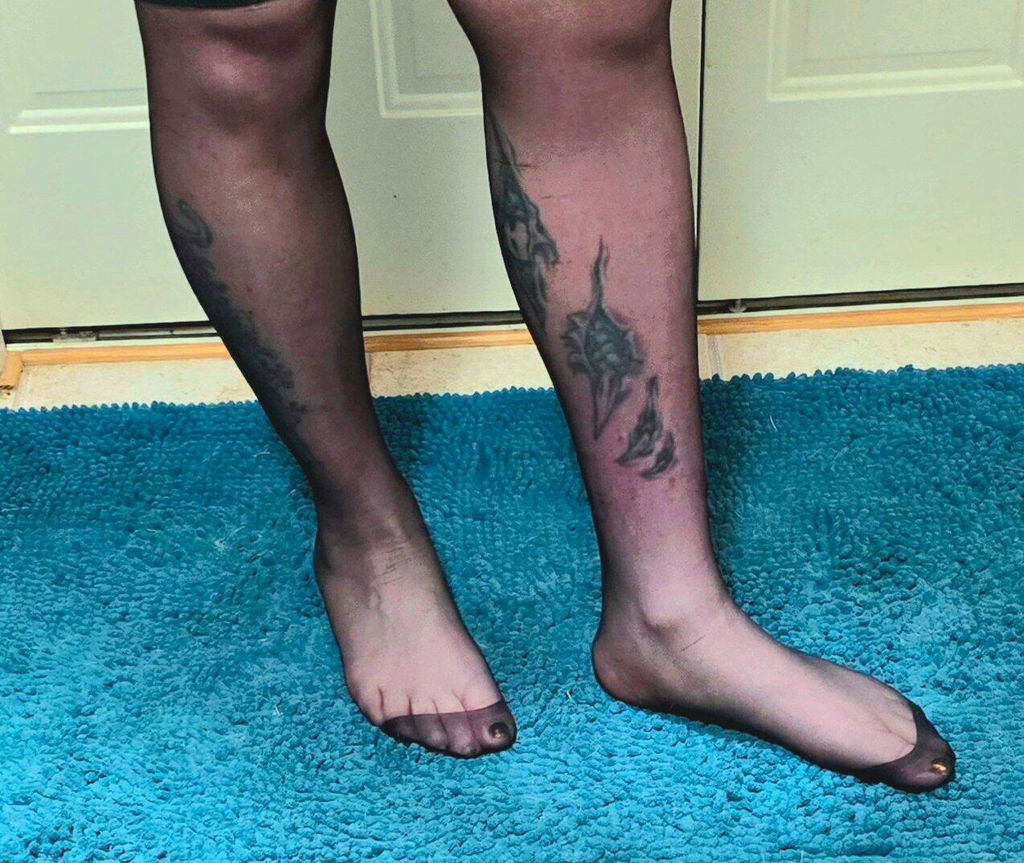
You can often see the reinforcement as a slightly darker or more opaque toe panel. On some styles, particularly tights made for dress shoes, the difference is subtle. On practical opaque, cotton, and warm tights, it may be less visible because the full leg already has a denser knit.
The benefit is straightforward: a stronger toe can delay holes and runs caused by normal wear. It cannot protect tights from a broken toenail, a shoe with a damaged lining, or a size that is stretched too tightly. Think of reinforcement as useful insurance, not a reason to ignore fit and care.
Reinforced toe tights review: durability and comfort
The best reinforced toe tights feel like regular tights when you are wearing them. The panel should sit smoothly over the toes without bunching, pinching, or creating a stiff edge. Good construction keeps the toe area comfortable inside pumps, loafers, ankle boots, sneakers, and school shoes.
Durability depends on more than the toe panel. Denier matters. Lower-denier tights are lighter and sheerer, making them ideal for a polished office outfit, an event, or warmer weather. They also require more careful handling. Higher-denier styles are more opaque and generally more resilient for frequent use, cool days, and busy routines.
Fiber content matters too. Elastane helps tights recover their shape and fit close to the leg. Polyamide provides the smooth, lightweight feel many shoppers expect from hosiery. Cotton tights offer a softer, more breathable option for everyday wear, especially for children and for cooler seasons. Warm tights may have a brushed or insulating interior, but they still need a correctly sized foot and toe area to perform well.
A reinforced toe is especially worthwhile when you wear your tights several times a week. It is also a practical detail for girls' tights. Children spend their day walking quickly, sitting on the floor, playing at recess, and changing shoes. A well-sized pair with a stronger toe is usually a better choice than a delicate fashion style reserved for special occasions.
Where reinforced toes make the biggest difference
For daily closed-toe shoes, reinforced toes are an easy yes. They suit work tights, school tights, travel outfits, and any pair worn with boots or structured shoes. If you regularly notice wear at the front of your foot before the waistband or leg shows damage, this feature should be high on your shopping checklist.
They are less essential for open-toe footwear. A visible reinforced panel may not give the finished look you want with open-toe heels or sandals. For those outfits, look for styles specifically made with a sandal toe or a very sheer toe finish. The trade-off is that these delicate finishes are usually less resistant to friction.
Fit is still the first durability test
Many hosiery problems blamed on poor quality are actually sizing problems. Tights that are too small place constant tension on the toe, heel, gusset, and waistband. The fabric becomes overextended, the toe is pulled forward, and even a reinforced panel may wear out quickly.
Use the size chart before ordering, and consider both height and weight where provided. Do not choose a smaller size just because you prefer a firmer feel. Corrective or shaping tights should offer gentle, even support, not painful pressure at the toes or a waistband that rolls down. If you are between sizes, the better choice depends on the style: for sheer fashion tights, sizing up often prevents unnecessary strain; for a highly stretchy cotton style, follow the chart closely.
For children, size by the child's current height and build rather than the age printed on a package. Age ranges can be helpful, but children grow differently. A pair that is too short in the leg tends to pull at the toes all day. Parents shopping for school basics often get the best value by selecting a few dependable, correctly sized pairs for rotation rather than relying on one pair to handle the whole week.
How to make reinforced toe tights last longer
A reinforced toe works best with simple habits that protect the entire garment. Before putting tights on, smooth or file any sharp toenail edges. Remove rings or bracelets that may snag the fabric while dressing, and take your time pulling the tights over the foot rather than tugging from the waistband.
Shoes deserve a quick check as well. Rough insoles, exposed stitching, worn interior lining, and loose hardware can wear through hosiery much faster than normal walking. If one particular pair of shoes repeatedly damages tights at the toe, the shoe is likely part of the problem.
Wash tights after wear according to their care instructions. Hand washing is gentle, but a mesh laundry bag on a delicate cycle can be a practical option for busy households. Use cool water, avoid harsh bleach, and let tights air dry. High dryer heat can weaken elastic fibers and reduce the recovery that keeps the fit smooth.
Avoid folding tights into a tight knot in a drawer. Instead, fold them loosely and keep them away from rough zipper edges or accessories. This small bit of organization is particularly helpful when you have sheer styles, fantasy tights, cotton basics, and warm layers stored together.
Are reinforced toe tights worth buying?
For most everyday shoppers, yes. The feature adds practical value without changing the look of a classic pair of tights under trousers, skirts, dresses, uniforms, or boots. It is particularly sensible when you prefer sheer hosiery but need it to stand up to a regular work schedule.
Still, the right pair depends on the occasion. A fine, elegant sheer tight with a reinforced toe can be a good choice for office wear and dinner plans. A higher-denier opaque style may serve you better in fall and winter. Cotton tights are often the comfortable choice for school-age girls and casual layers, while warm tights are better suited to cold outdoor days.
At ConteByOksana, shoppers can compare practical everyday options with more decorative openwork and fantasy styles, then choose based on the denier, fabric, season, and intended footwear. That approach is more useful than treating every pair of tights as interchangeable.
A reinforced toe may be a small detail, but it is one that supports the real purpose of good hosiery: helping you feel comfortable, put together, and ready to move through your day without worrying about the first snag.