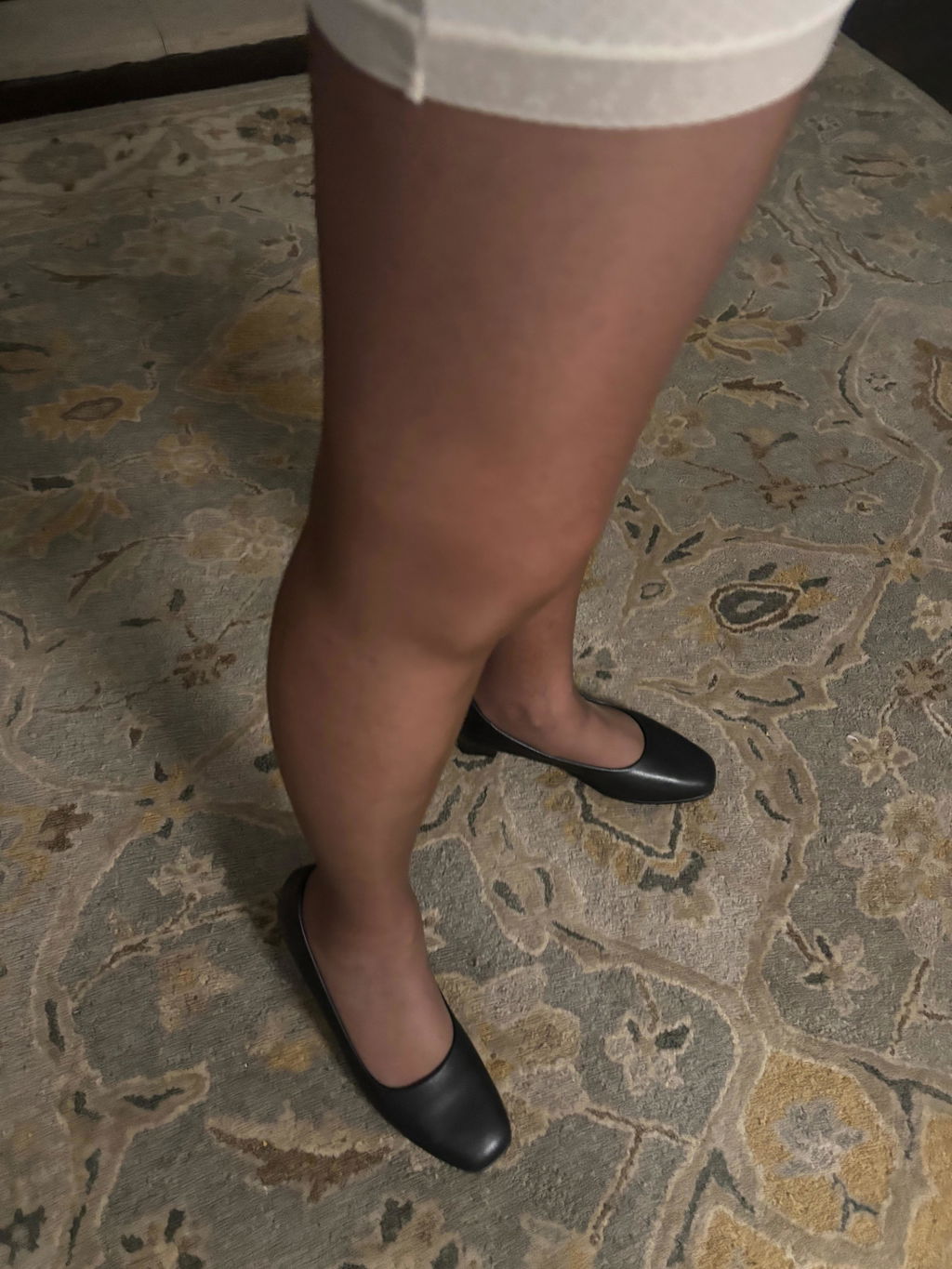
Best Tights for Petite Women That Fit Better
Делиться
A pair of tights can look perfect in the package and still spend the day slipping at the waist, gathering at the ankles, or pulling uncomfortably through the hips. The best tights for petite women are not simply smaller tights. They are styles chosen for a shorter frame, with the right rise, leg length, stretch, and fabric weight for where and how you will wear them.
For many petite shoppers, height is only one part of the fit question. Your torso length, hip measurement, thigh shape, and shoe size all affect how tights sit and feel. A thoughtful size choice makes a noticeable difference: the waistband stays where it belongs, the legs look smooth, and the toe area does not bunch inside your shoes.
Why petite fit can be difficult
Standard hosiery sizing often groups a wide range of heights and weights into one size. If you are at the lower end of a height range, a pair may have extra length through the leg. That extra fabric has to go somewhere, so it can crease behind the knees, pool around the ankles, or create wrinkles at the ankles and instep.
Sizing down is not always the answer. A smaller size can solve the length issue but become too tight through the hips or cause the waistband to roll. It may also overstretch the knit, making sheer tights look lighter than intended and reducing their comfort. The goal is a balanced fit: enough width for your body, without too much unused length.
This is why a detailed size chart matters more than the letter on the package. Start with your height and weight, then consider your hip measurement if the chart provides it. When you fall between two sizes, your body proportions and the fabric type should guide the decision.
How to choose the best tights for petite women
Before choosing a color or pattern, look at four practical fit details:
- Height range in the size chart
- Panty and waistband construction
- Fabric stretch and fiber content
- Toe shape and foot length
Look for a comfortable, well-placed rise
The rise is the distance from the waistband down to the crotch. It is one of the most overlooked details in tights. If the rise is too long, the waistband may sit high under the ribs and fold over. If it is too short, the tights may pull downward during the day.
For everyday wear, choose a smooth elastic waistband that feels secure without digging in. A wider waistband often distributes pressure more comfortably than a narrow elastic edge. If you prefer shaping styles, corrective tights can provide gentle support through the stomach, hips, and upper thighs, but they should not feel restrictive. Support works best when the size is correct.
Pay attention to the ankle and toe
Ankle bunching is a common sign that tights are too long for your frame. It is especially visible with pumps, loafers, and ankle boots. A close-fitting leg with good recovery will stay smoother from thigh to ankle after walking, sitting, and standing.
The foot matters, too. If you have a smaller shoe size, excess fabric can collect at the toe. Reinforced toes are useful for regular wear and closed-toe shoes, while sandal-toe styles are better when you want a lighter finish with open shoes. Neither option fixes an oversized foot section, so use the size chart rather than assuming one size will suit every petite customer.
Choose denier for the occasion and season
Denier describes the yarn weight in hosiery. In simple terms, lower denier tights look sheerer and lighter, while higher denier styles offer more coverage and warmth. The right choice depends on your outfit, the weather, and how much coverage you want.
Sheer tights in a lower denier range are a polished choice for office outfits, dresses, skirts, and special occasions. Black sheer tights can give an outfit definition without adding visual heaviness. Nude styles should be selected as carefully as foundation or concealer: a shade close to your skin tone usually looks the most natural.
Semi-opaque tights are often the most useful middle ground. They offer enough coverage for daily wear, help create a smooth leg line, and pair easily with knit dresses, skirts, and tailored shorts. They are also more forgiving if you want to wear tights frequently through fall and spring.
Opaque tights provide stronger coverage and are a practical choice for cooler weather. For petite women, opaque black tights can create a long, continuous line when worn with black shoes or boots. This is not a rule, just a useful option when you want a streamlined look. Warm tights, including cotton-rich and fleece-lined styles, are especially helpful for school runs, commuting, outdoor events, and winter layering.
Fabric makes a difference in daily comfort
Most tights use polyamide with elastane, which creates a smooth, flexible fit. The exact blend affects how the tights feel. A higher elastane content can improve recovery, helping the legs stay close-fitting rather than sagging after several hours. Soft microfiber styles are often a comfortable option for opaque and semi-opaque tights.
Cotton tights are a favorite for cooler days and casual outfits because they feel soft and offer more warmth than sheer hosiery. They can work beautifully with boots, sweater dresses, and longer skirts. Because cotton has a different feel and stretch from classic sheer hosiery, follow the specific size guide for that style rather than relying on the size you wear in every other pair.
For dressier outfits, smooth sheer fabric usually gives the cleanest finish. For a more decorative look, fantasy tights, openwork designs, dots, or subtle patterns can add interest to a simple dress. Petite shoppers often find that smaller-scale patterns are easier to wear, while very large motifs can visually break up the leg. Personal style still comes first: a bold pattern can be lovely when it feels like you.
When to size up and when to stay true to size
If your hip measurement places you near the top of a size range, sizing up may be more comfortable even if you are petite in height. This is especially true for corrective tights, opaque styles, and cotton tights, where too much tension can make the fabric feel tight or turn sheer yarn more transparent.
Stay closer to your height range if your hips are well within the chart and you regularly have extra fabric at the ankle in standard tights. A close fit can help prevent twisting and sagging. Avoid pulling tights upward with force to compensate for extra length. That can strain the fabric and may make the gusset fit incorrectly.
If you are between sizes, consider the occasion. A slightly roomier fit may be best for long workdays, travel, or cold-weather layers. For a special event, a more precise fit can create a smoother finish under a fitted dress, as long as it does not feel tight.
Put tights on without stretching them out
Even the right size can look uneven if it is put on too quickly. Sit down, remove jewelry that could catch the knit, and gather one leg from the waistband to the toe. Place the foot first, then gradually unroll the fabric over the ankle and calf. Repeat on the other side before pulling the panty section into place.
Once the tights are on, smooth the fabric upward from the ankles toward the thighs. Check that the toe seam is comfortable and that the gusset is sitting naturally. Do not keep tugging at the waistband if the fit feels wrong. Remove the tights and reposition them from the feet upward instead.
A gentle wash and air-drying routine also helps tights keep their shape. Rotating between several pairs is practical if you wear hosiery often, especially during cooler months.
Build a petite-friendly tights drawer
A small selection can cover most needs: a sheer pair for polished outfits, semi-opaque black tights for everyday dresses and skirts, opaque or warm tights for cold days, and one pair with a pattern or openwork detail for a more fancy look. At ConteByOksana, the variety of classic, corrective, cotton, warm, and fantasy styles makes it easier to choose by function instead of settling for one pair that tries to do everything.
The most flattering tights are the ones you stop thinking about after getting dressed. Use the size chart, choose fabric for the season, and give special attention to rise and ankle fit. When the proportions are right, your tights will support your outfit comfortably from morning through evening.