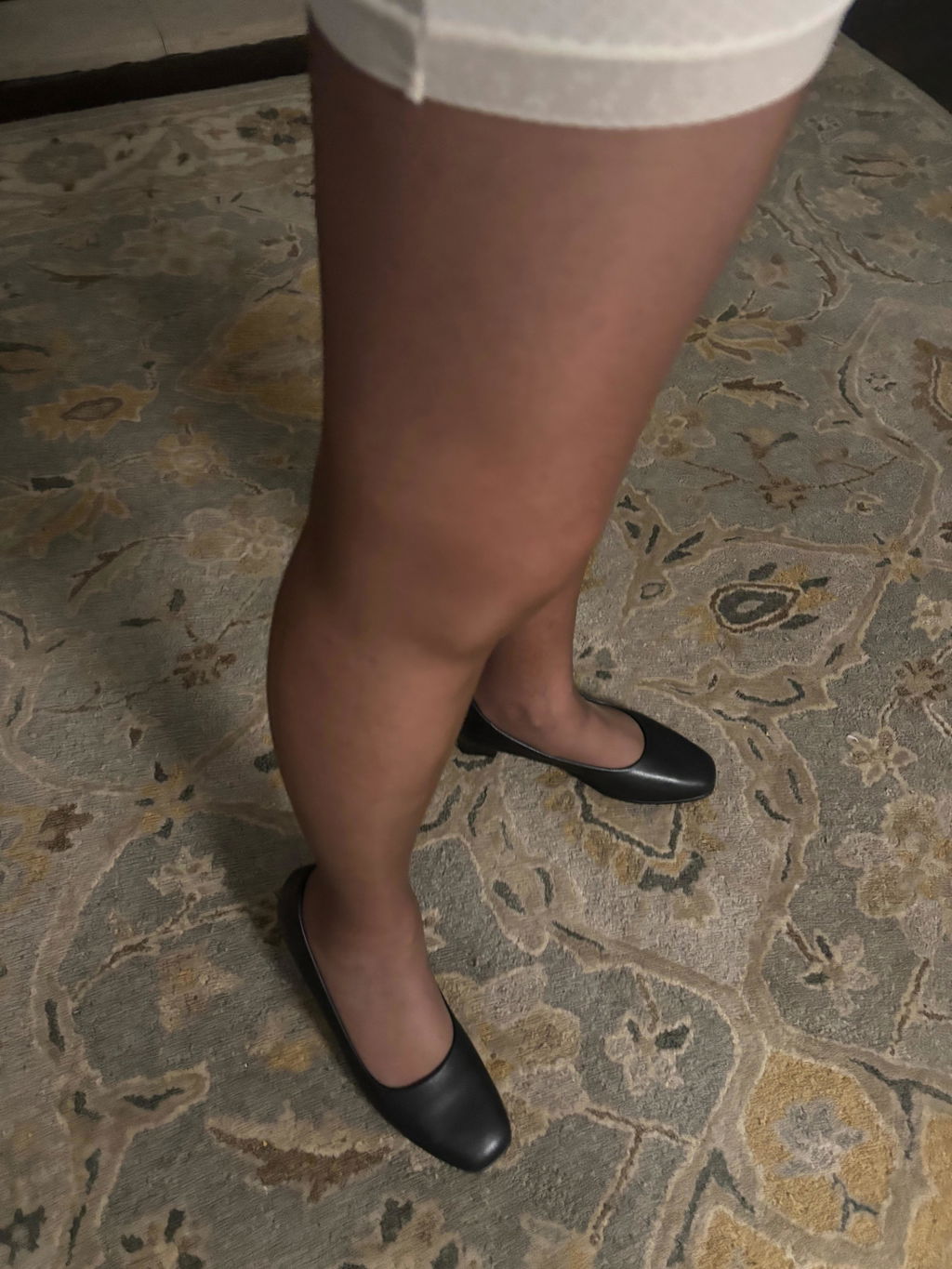
Knee Highs Versus Socks for Everyday Wear
Делиться
A rushed school morning often makes the difference clear: regular socks disappear below a boot, while knee highs give a uniform, polished look and keep more of the leg covered. When choosing knee highs versus socks, the better option depends on the shoe, the weather, the activity, and how much coverage feels comfortable. Both belong in a practical drawer, especially for women and growing children.
Knee Highs Versus Socks: The Main Difference
The difference begins with length. Standard ankle socks sit at or just above the ankle. Crew socks reach partway up the calf, while knee highs extend to just below the knee. That extra length changes how each style performs with clothing and footwear.
Knee highs cover more skin, creating a smooth line under skirts, dresses, uniforms, and tall boots. They can add welcome warmth on cool days without requiring full tights. They are also a natural choice when a child needs school-ready legwear with shorts, skirts, or a dress code that calls for a neat appearance.
Socks are usually the easier everyday choice with sneakers, loafers, casual shoes, and pants. A low-cut or ankle pair keeps the look light and simple, while a crew sock offers more cushioning and protection around the ankle. For gym days, playground time, or a relaxed jeans-and-sneakers outfit, regular socks are often the most convenient option.
Neither style is automatically better. A knee-high that slips down will be frustrating, and an ankle sock worn with a tall boot may bunch or leave the calf cold. The right choice is the pair that fits the outfit and stays comfortable from morning to evening.
When Knee Highs Make More Sense
Knee highs are especially useful when coverage matters. With boots, they help create a soft barrier between the leg and the boot shaft, which can reduce rubbing. With dresses and skirts, they provide a more finished look than ankle socks while leaving more freedom of movement than tights.
For women, opaque cotton knee highs can be a practical alternative to tights during transitional weather. They work well with a midi skirt and boots, or with a longer dress when you want your feet and lower legs to feel warmer without wearing a full pantyhose layer. Fine-gauge styles can look dressier with loafers or heeled shoes, while ribbed cotton knee highs feel more casual.
For children, knee highs are a dependable school wardrobe basic. They are easy to put on, easier to remove than tights, and useful when a child wants the look of legwear without full coverage through the waist. White, navy, gray, and black pairs coordinate with many uniforms, while openwork or subtle pattern styles add a fancy touch for celebrations and family photos.
Warm knee highs are helpful for cold-weather outfits, but fabric matters. A thicker cotton blend or warm style is comfortable inside boots. A very heavy pair may feel bulky in a close-fitting school shoe, so it is best to match thickness to the footwear.
Consider the stay-up fit
A good knee high should sit below the knee without pinching. If the top band leaves deep marks, the size may be too small or the cuff too tight for the wearer. If it falls to the ankle after a few steps, it may be oversized, stretched out, or made without enough elastic support.
Children’s knee highs should never feel restrictive. Check the size chart using the child’s current height and shoe size when available, rather than buying far ahead based on age alone. A comfortable fit helps children move, sit, and play without constantly pulling at their socks.
When Regular Socks Are the Better Choice
Regular socks are designed for simple daily wear. They are usually faster to style, easier to wash in quantity, and available in many practical constructions: cotton-rich basics, sporty cushioned pairs, fine dress socks, and warmer options for winter.
Ankle socks suit sneakers and low-profile shoes because they keep fabric from showing too high above the collar. Crew socks work well with athletic shoes, lace-up boots, and casual outfits where a visible sock is part of the look. With pants, either length can work, but crew socks are a useful middle ground when you want more coverage than an ankle pair without the full height of knee highs.
For active children, socks may be more comfortable during sports, running, and outdoor play. A well-fitted cotton blend can help manage everyday moisture while providing a soft feel inside sneakers. Pack extra pairs for school, camp, or travel, since regular socks are more likely to be changed during the day.
Dress socks have a different role. A thin, smooth pair in a neutral color can look polished with trousers, loafers, and office shoes. They should fit closely enough to avoid wrinkles, since extra fabric under the foot can become uncomfortable during a long workday.
Fabric, Thickness, and Season Matter
Length is only one part of the decision. The fiber blend affects softness, warmth, breathability, and durability. Cotton-rich socks and knee highs are popular for everyday wear because they feel natural against the skin and work across much of the year. Adding elastane helps the item recover its shape and stay in place.
For cooler months, look for warmer constructions and a slightly thicker knit. Knee highs can make a skirt or dress more wearable in fall and winter, while warm crew socks are useful with boots and pants. For warmer weather, lighter cotton styles are generally more comfortable, especially for children who spend time outside or in active classrooms.
Openwork knee highs are beautiful for special outfits, but their decorative knit is usually less suited to rough play than a dense cotton basic. Save delicate pairs for occasions when appearance is the priority, and keep sturdier socks for school days, sports, and playground use.
Color also has a practical side. White and light colors show dirt quickly but suit many school and ceremony outfits. Dark navy, gray, and black are easier for daily wear and pair well with darker shoes. A small mix of neutral basics plus a few patterned or fancy pairs gives a family more outfit options without overfilling the drawer.
How to Choose the Right Pair for the Outfit
Start with the shoes. Tall boots and knee highs are a natural match, while sneakers often work best with ankle or crew socks. Then consider what is worn above the knee. Dresses, skirts, and shorts make the visible length of legwear part of the outfit, so knee highs can look intentional and coordinated. With pants, the decision is mostly about comfort and warmth.
Next, think about the day ahead. For a child with school, recess, and an after-school activity, a soft cotton crew sock may be the most practical. For a school concert, holiday gathering, or dress-up occasion, openwork knee highs may be the better finishing detail. For an adult commuting in boots and changing into office shoes later, a smooth knee-high can offer coverage without the commitment of tights.
It also helps to keep expectations realistic. Knee highs are not a replacement for thermal tights in very cold conditions, and thin dress socks are not designed to cushion high-impact exercise. Choosing the right category first prevents disappointment later.
Care That Helps Socks and Knee Highs Last
Turn delicate styles inside out before washing, especially openwork and fine-gauge knee highs. Wash similar colors together and avoid overly hot water, which can be hard on elastic fibers. Air drying is gentler when possible; high heat can shorten the life of the stretch that keeps socks and knee highs fitted.
Check pairs before putting them away. Remove lint, match them while they are still clean, and set aside any pair with thinning heels or a loose cuff. For children, having several correctly sized basics on hand means less scrambling when one pair is wet, misplaced, or suddenly too small.
ConteByOksana offers practical cotton socks, warm styles, and knee highs for women and children, making it easier to choose by season, outfit, and age group. A few well-chosen pairs can make everyday dressing feel much simpler: reach for knee highs when you want coverage and a finished look, and choose socks when ease, activity, or low-profile shoes lead the way.