Leggings Versus Tights Difference Explained
Делиться
A school morning, a cold commute, or a dressy dinner can make one small wardrobe question surprisingly important: should you wear tights or leggings? Both add coverage and warmth, but they are made to do different jobs. Understanding the leggings versus tights difference helps you choose a pair that feels comfortable, fits correctly, and looks appropriate with the rest of your outfit.
For women, the choice often comes down to shoes, outfit length, and the amount of coverage desired. For children, it also comes down to movement, warmth, and whether little feet need to be covered for the day. The right answer is not always the warmest or thickest option. It is the style that suits the occasion.
Leggings Versus Tights Difference at a Glance
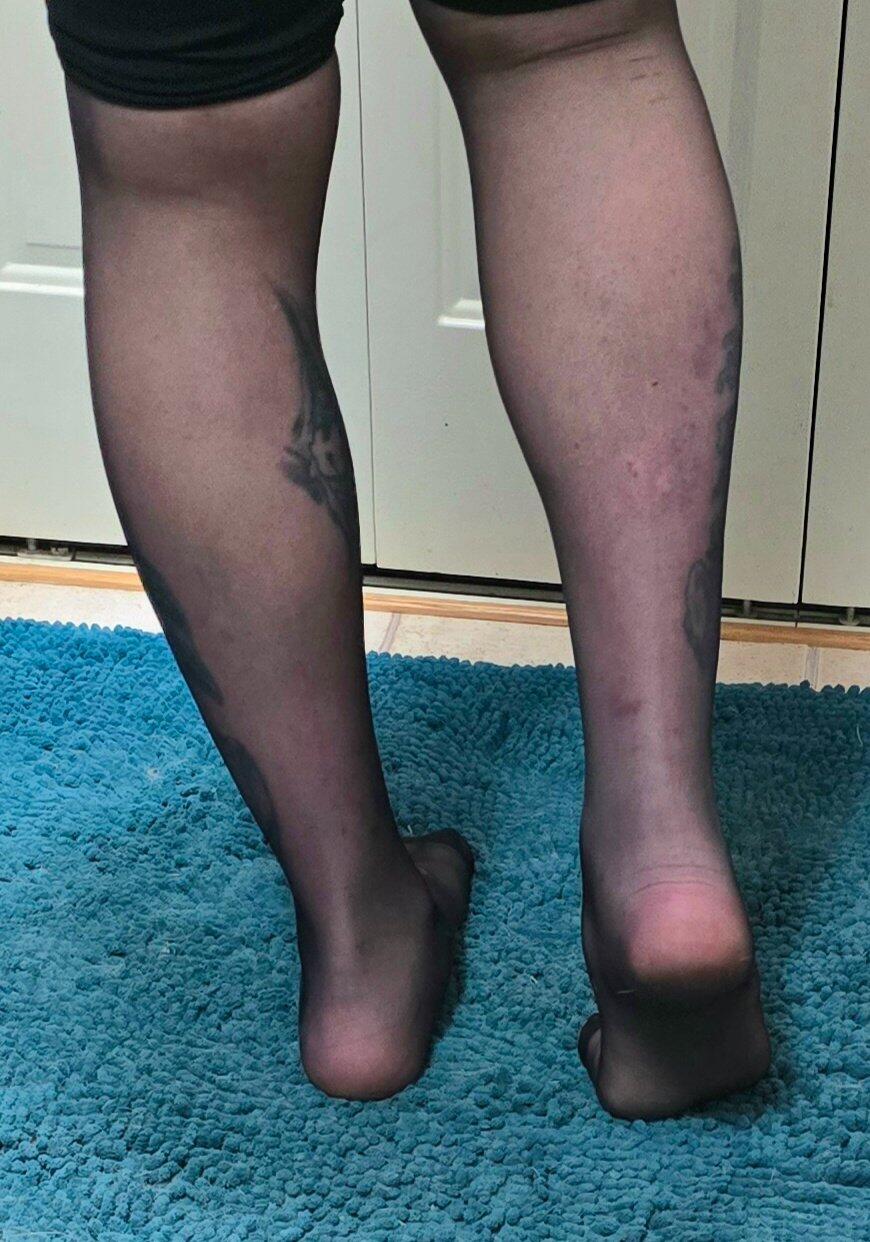
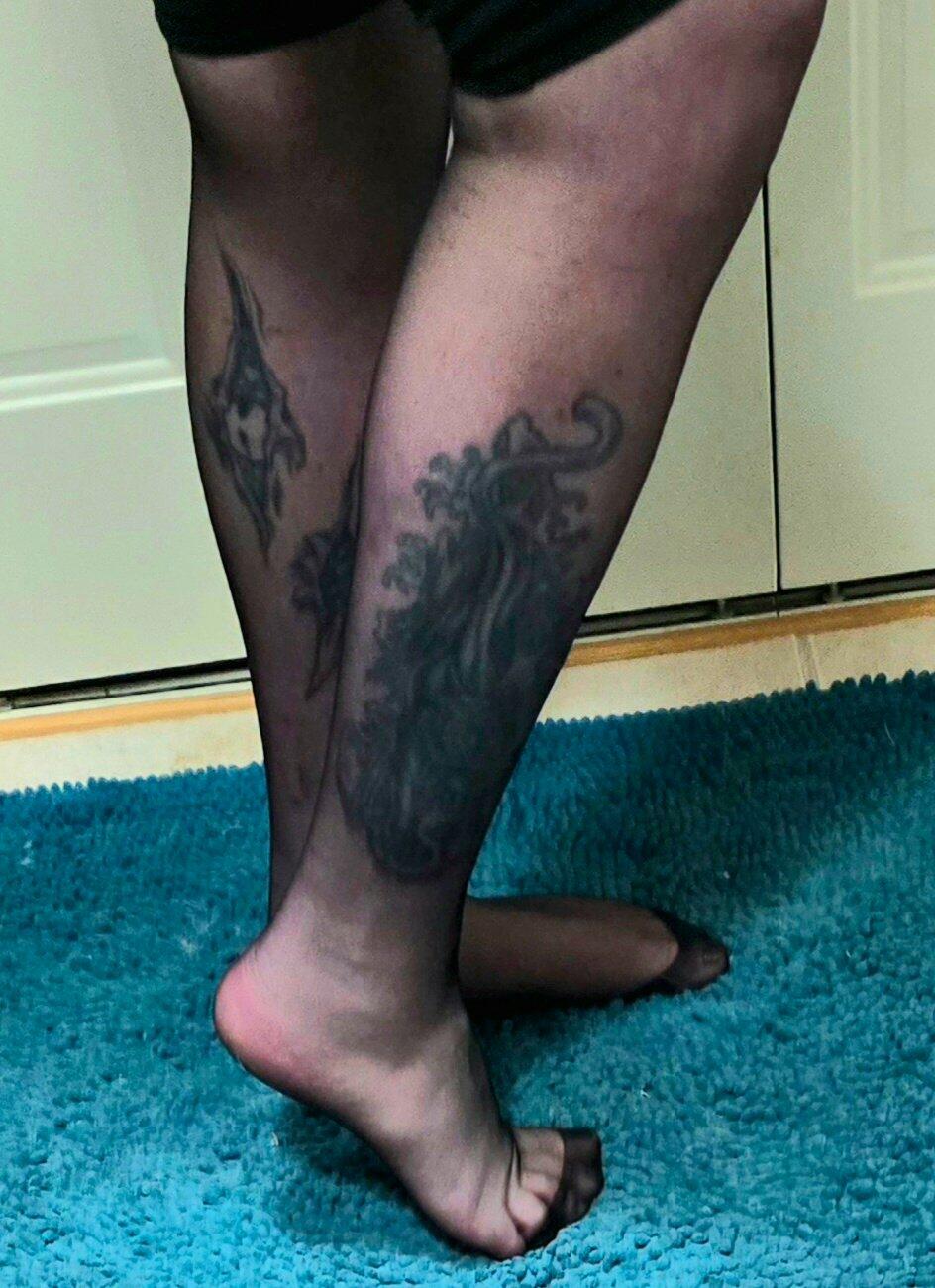
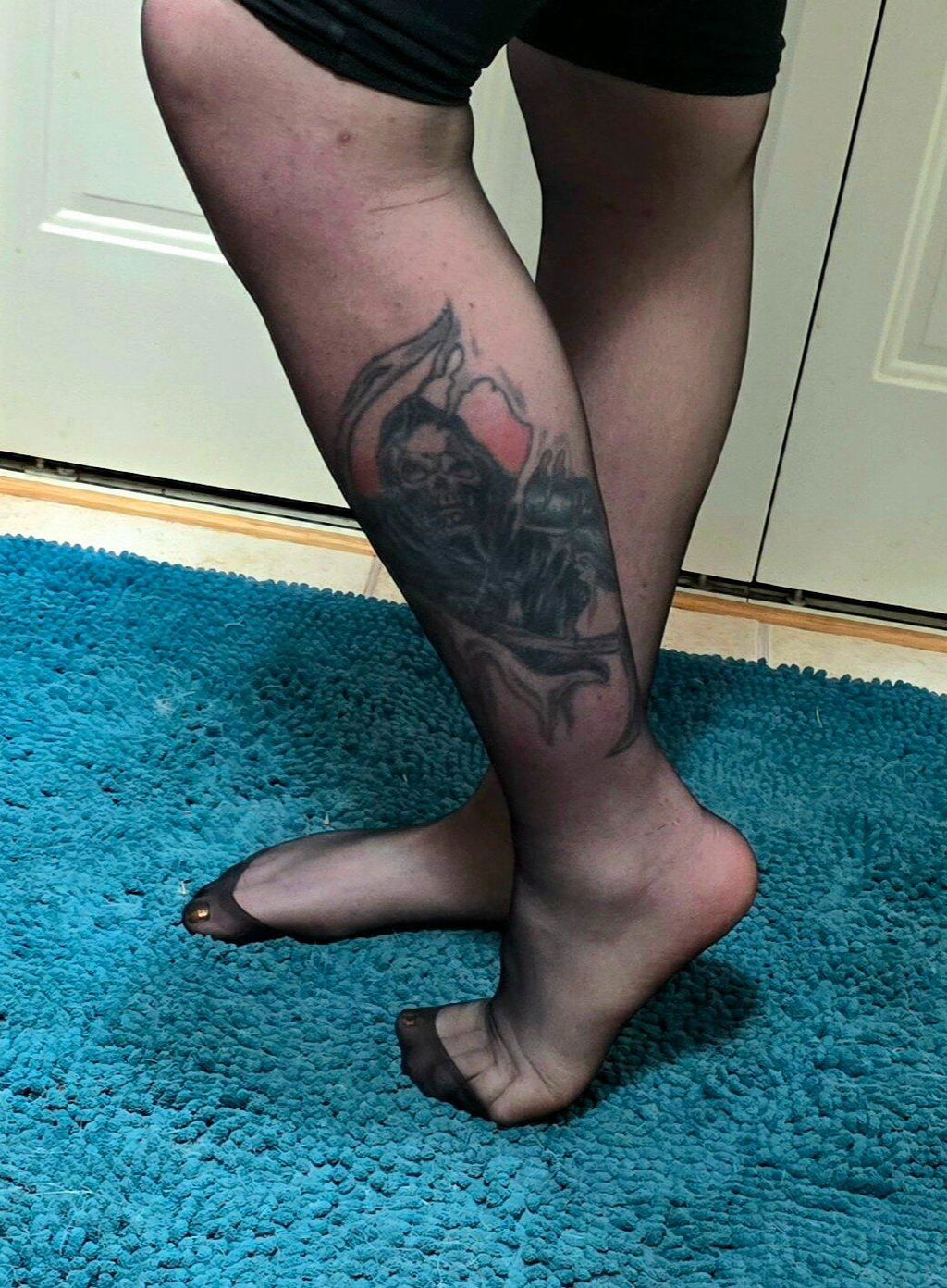
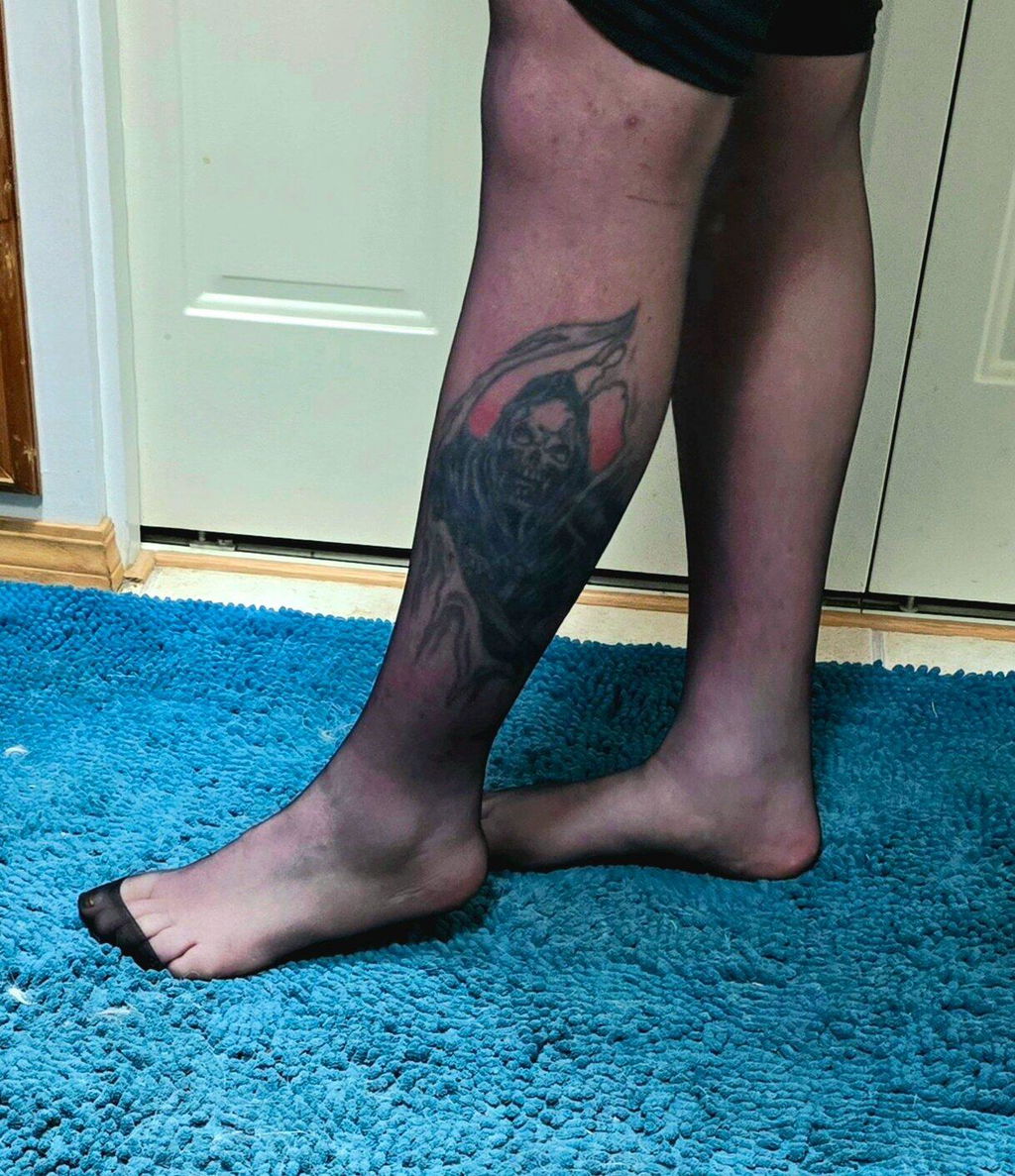
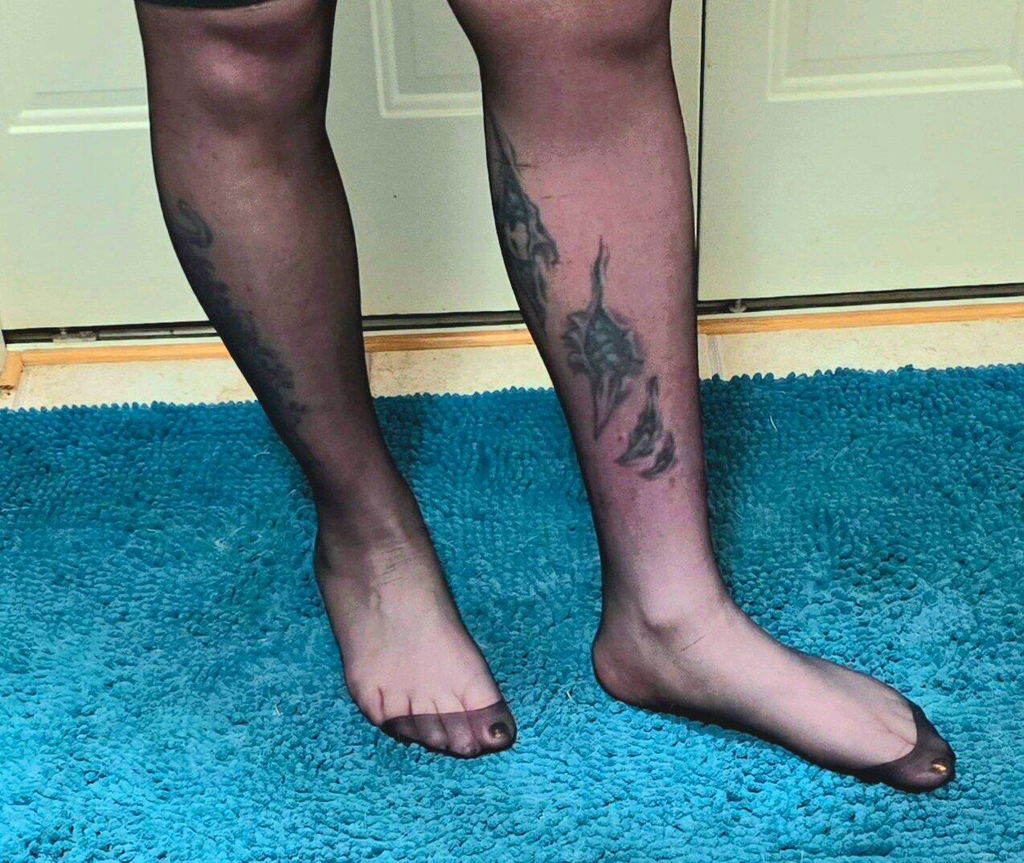
The clearest difference is at the foot. Tights cover the body from the waist through the legs and down to the toes. Leggings usually end at the ankle and leave the feet bare. That distinction affects how each piece works with shoes, dresses, skirts, tunics, and colder weather layers.
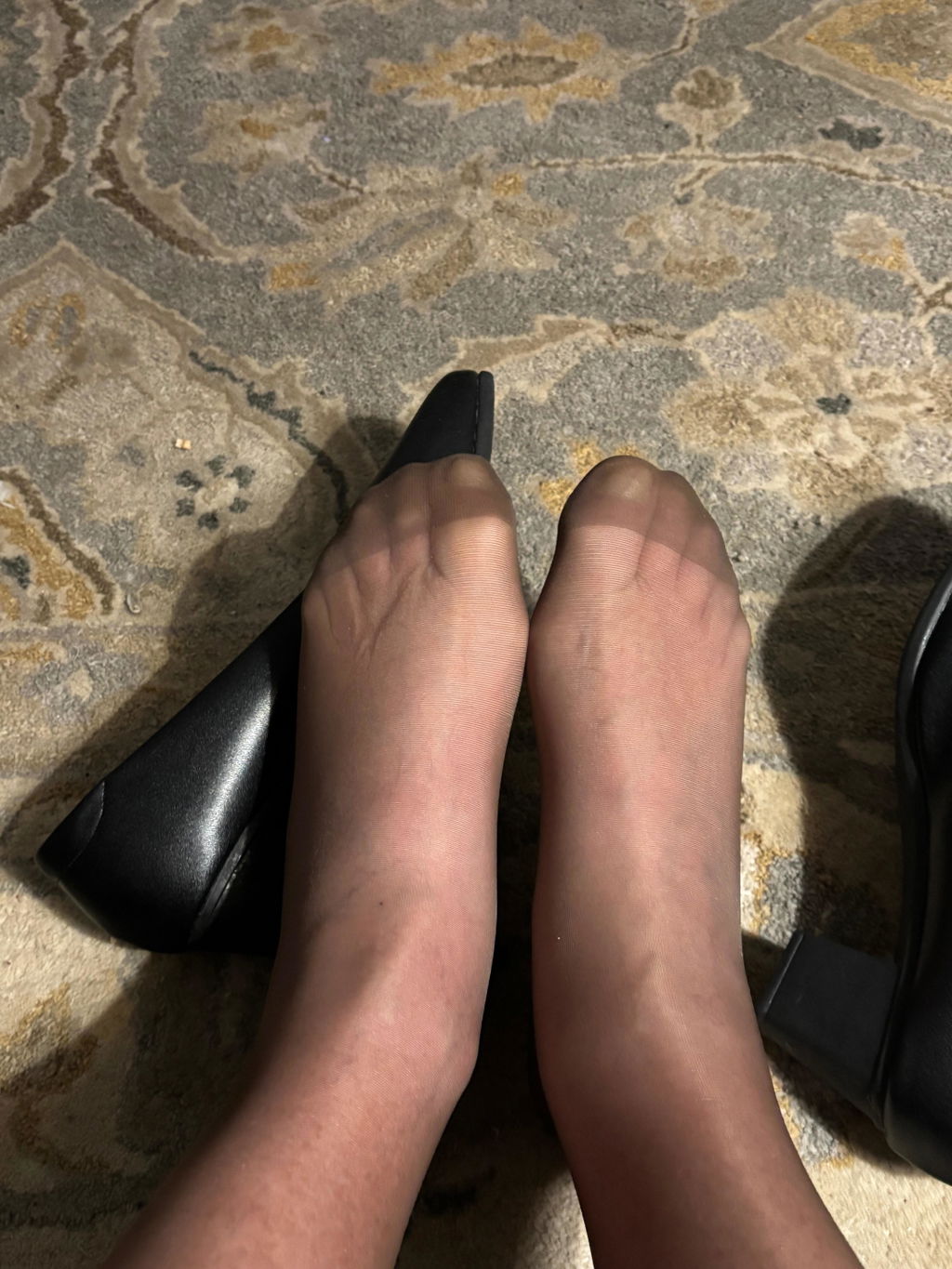
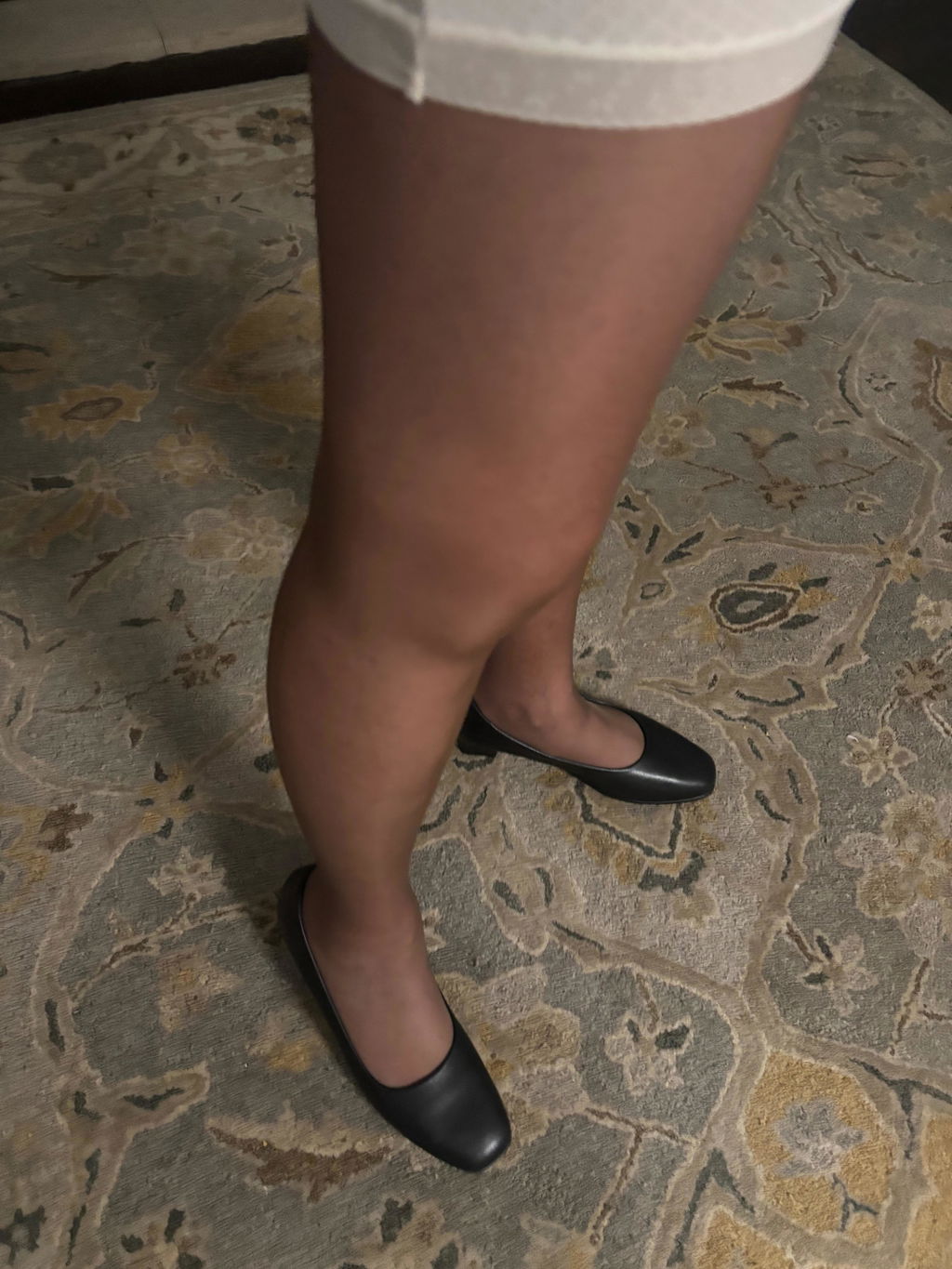
Tights are hosiery. They can be sheer, semi-opaque, opaque, cotton-rich, openwork, corrective, or warm. Many tights are designed to create a polished leg finish beneath a dress or skirt, while still feeling light enough for indoor wear. Their fabric is often finer and more fitted than typical leggings.
Leggings are closer to footless pants. They are generally opaque, made with a more substantial knit, and intended to cover the legs without requiring socks or closed-toe shoes. A good pair can work under a tunic, long sweater, casual dress, or sporty top. Some leggings have a smoothing or corrective effect, but they usually provide more everyday coverage than fashion hosiery.
How Fabric Changes the Way They Feel
Fabric weight matters as much as the foot design. Tights are often described by denier, a measurement that gives shoppers a helpful idea of opacity and weight. Lower-denier tights are usually more transparent and delicate. Higher-denier options offer fuller coverage and are often better for cooler temperatures.
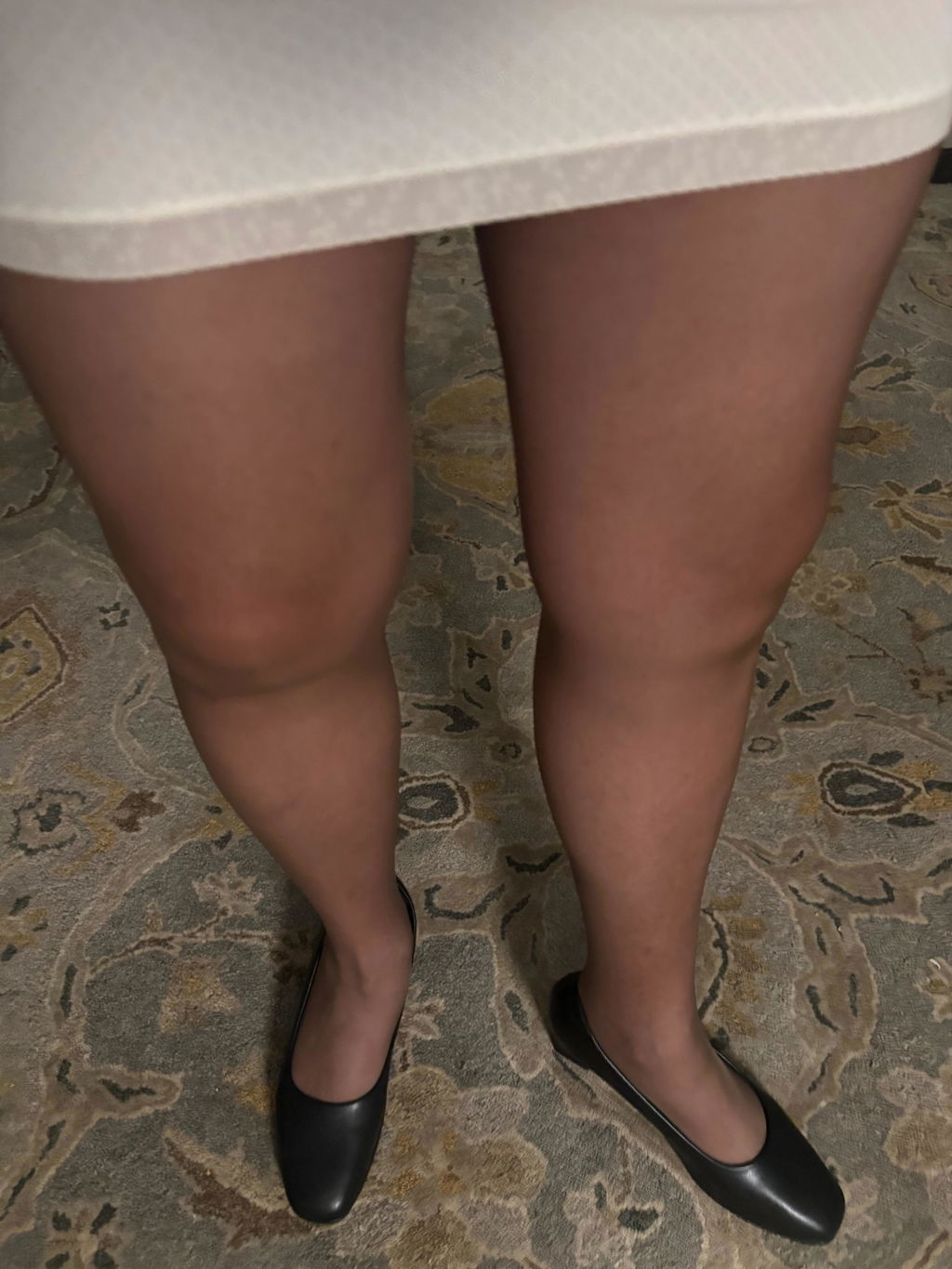
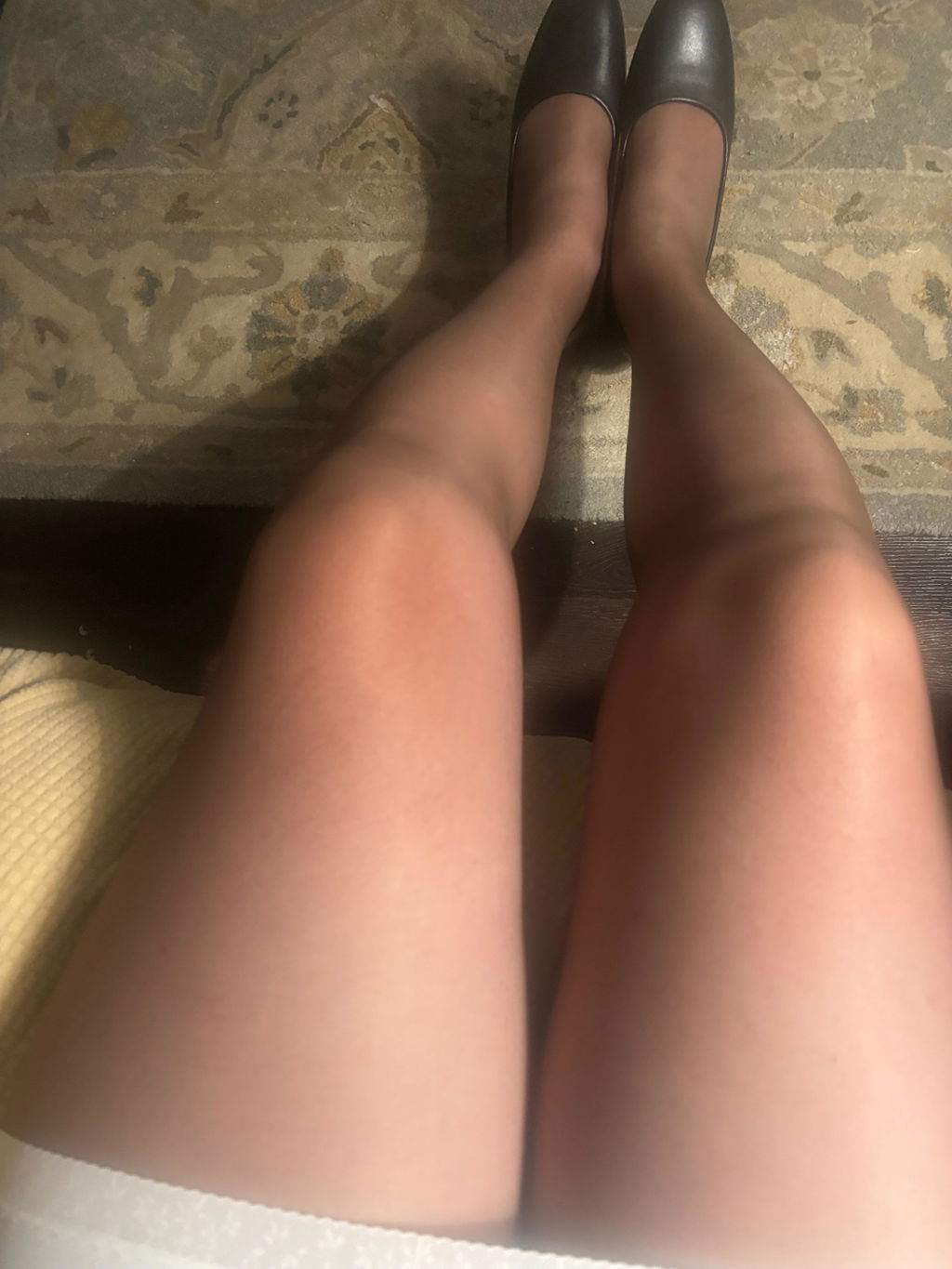
Sheer tights can create a refined finish for office dresses, event outfits, and skirts when bare legs do not feel practical. Opaque tights offer a more covered look and can make a short dress or skirt easier to wear in fall and winter. Cotton tights feel soft and comfortable for everyday use, especially for children and anyone who prefers a less slick hosiery feel.
Warm tights may include cotton, microfiber, or brushed inner layers. They are useful when you want covered feet as well as insulated legs. This is especially practical with boots, school uniforms, holiday dresses, and cold-weather outfits.
Leggings are usually made from cotton blends, microfiber, stretch knits, or performance-style fabrics. Because the material tends to be thicker, leggings can feel more durable for active wear and frequent casual use. Still, thickness varies. A lightweight fashion legging may need a longer top, while a dense cotton legging can feel more like slim pants.
When Tights Are the Better Choice
Choose tights when your outfit needs a finished hosiery look. They are a natural choice with dresses, skirts, dressy shorts, and school uniform pieces. Since they cover the toes, they also work neatly with ballet flats, loafers, Mary Janes, ankle boots, and many closed-toe pumps.
Tights are especially useful when you want the visual effect of bare or softly covered legs without giving up warmth. Nude, black, and sheer styles are classic options, while fantasy tights, openwork patterns, and subtle textures can add personality without changing the outfit itself.
Corrective tights are a good option when you want gentle shaping through the tummy, hips, or upper thighs. They can make a fitted dress feel more secure, but the fit must be right. Sizing down for stronger control often creates discomfort, rolling at the waistband, or excess strain on the fabric.
For girls, tights are often the most practical match for dresses, skirts, and formal outfits. They keep the entire leg and foot covered, reduce the need to coordinate separate socks, and come in options suited to school, celebrations, dance-inspired looks, and everyday play.
When Leggings Make More Sense
Leggings are often the easier choice for casual outfits and active days. Pair them with a tunic-length top, oversized sweater, long cardigan, or relaxed dress. Because the feet are uncovered, they are convenient with sneakers, sandals, socks, and boots where a separate sock is preferred.
They can also be the more comfortable option for children who dislike the feeling of fabric around their toes. A child can wear leggings with cotton socks and sneakers for school, then switch to warmer socks or boots outdoors. This flexibility is useful when temperatures change throughout the day.
Leggings are not always interchangeable with pants. It depends on their opacity, fit, and the top worn with them. A thick, fully opaque pair may work with a regular-length sweater for a relaxed errand outfit. A thinner pair is better worn with a tunic, long shirt, or dress that provides more coverage.
For travel, weekends, and lounging, leggings often win because they are easy to layer and easy to move in. For a polished event, a work dress, or a skirt-focused outfit, tights usually offer the more refined finish.
Choosing for Children: Fit Before Fashion
Children’s legwear should be sized for height and body measurements rather than age alone. Age ranges can be helpful, but two children of the same age may need different sizes. Tights that are too small can pull at the toes, slide down, or feel tight through the waist. Tights that are too large can bunch at the ankles and wrinkle inside shoes.
With girls’ tights, look for a comfortable waistband, enough length through the leg, and fabric appropriate for the season. Cotton styles are often a reliable everyday choice. Warm tights are helpful for winter. Openwork and fantasy styles are lovely for special occasions, but they may be more delicate than a classic opaque pair.
For leggings, check that the ankle length is right and that the fabric recovers after stretching. Knees that bag quickly or waistbands that fold over can make an otherwise cute outfit frustrating to wear. A well-fitting pair should let a child sit, run, and play without constant adjusting.
Shoes Can Settle the Decision
If you are wearing closed-toe shoes without socks, tights are often the cleaner choice because the foot is already covered. They prevent the bare-foot-in-shoe feeling that can be uncomfortable in loafers, flats, and dress shoes.
If you want sneakers, athletic shoes, or boots with cushioned socks, leggings are usually more practical. The separate sock adds comfort, absorbs moisture, and can provide extra warmth. With open-toe sandals, leggings generally make more sense than standard footed tights, although some fashion outfits are designed to bend that rule.
Consider the transition between the ankle and shoe, too. Tights create one continuous line from waist to toe. Leggings create a break at the ankle, which can look casual, sporty, or intentionally layered depending on the sock and shoe choice.
Care Helps Both Styles Last Longer
Tights need gentler handling because fine hosiery can snag on rings, rough nails, zippers, and shoe hardware. Put them on slowly, gathering each leg before pulling upward. Hand washing is ideal for delicate pairs, while a mesh wash bag and cold, gentle cycle can help with sturdier styles. Avoid high heat, which can weaken elastic fibers.
Leggings may tolerate more regular washing, but they still benefit from cold water and air drying when possible. Turning them inside out can reduce pilling and preserve color. For both tights and leggings, avoid using fabric softener too often, as it can affect stretch and moisture management.
The best choice is the one that lets you get dressed without second-guessing your comfort. Keep a few dependable pairs of opaque tights for dresses and polished outfits, plus comfortable leggings for casual layers and busy days. That small amount of planning makes every skirt, sweater, school outfit, and seasonal look easier to wear.