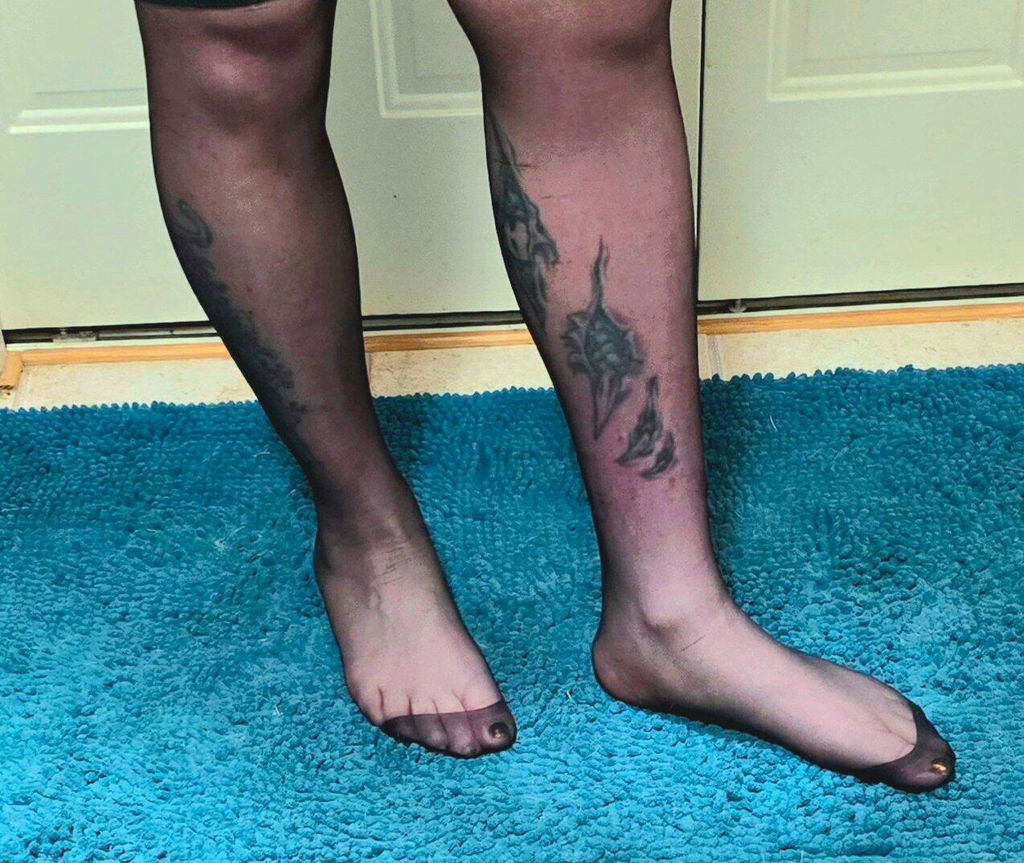
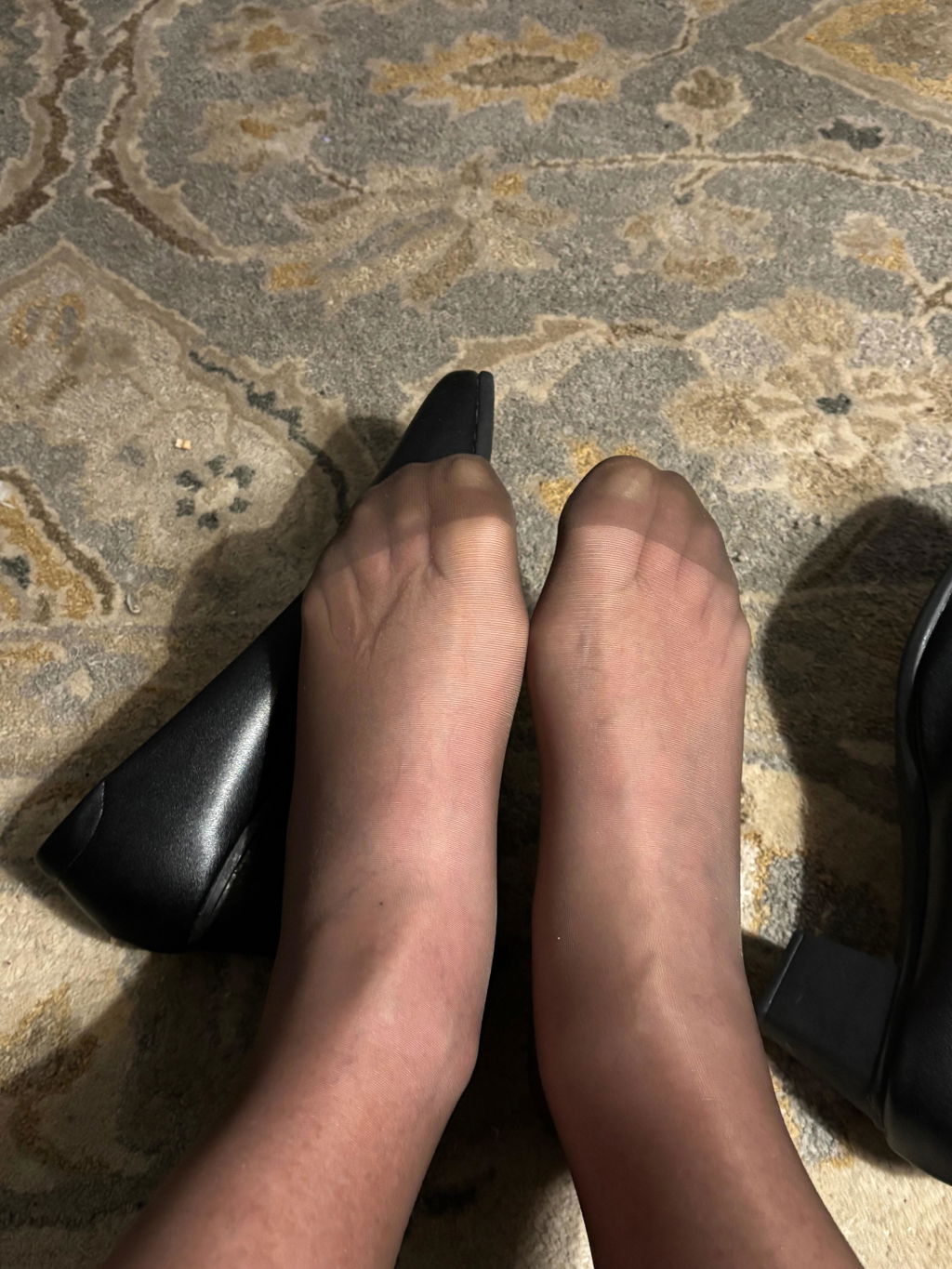
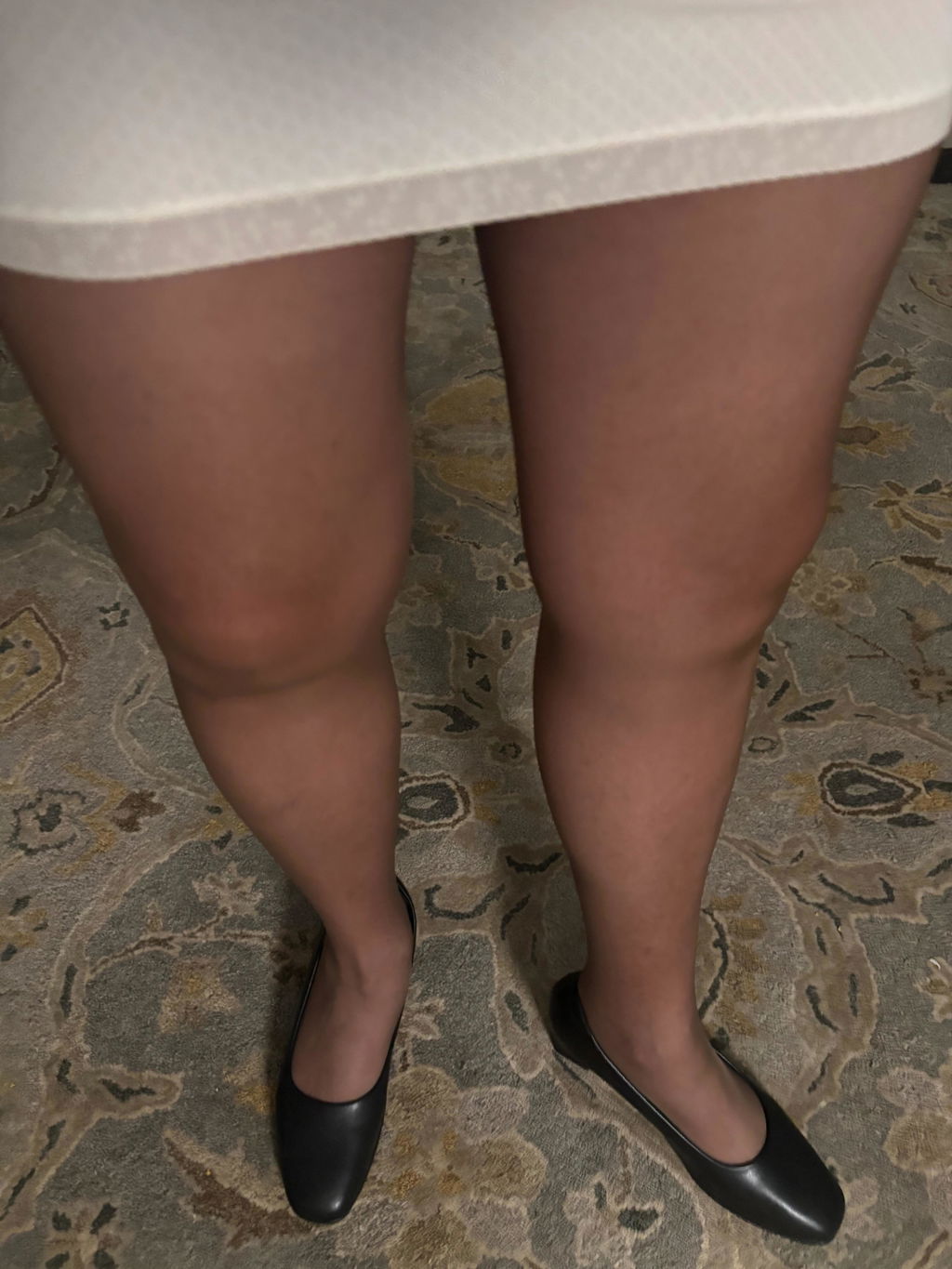
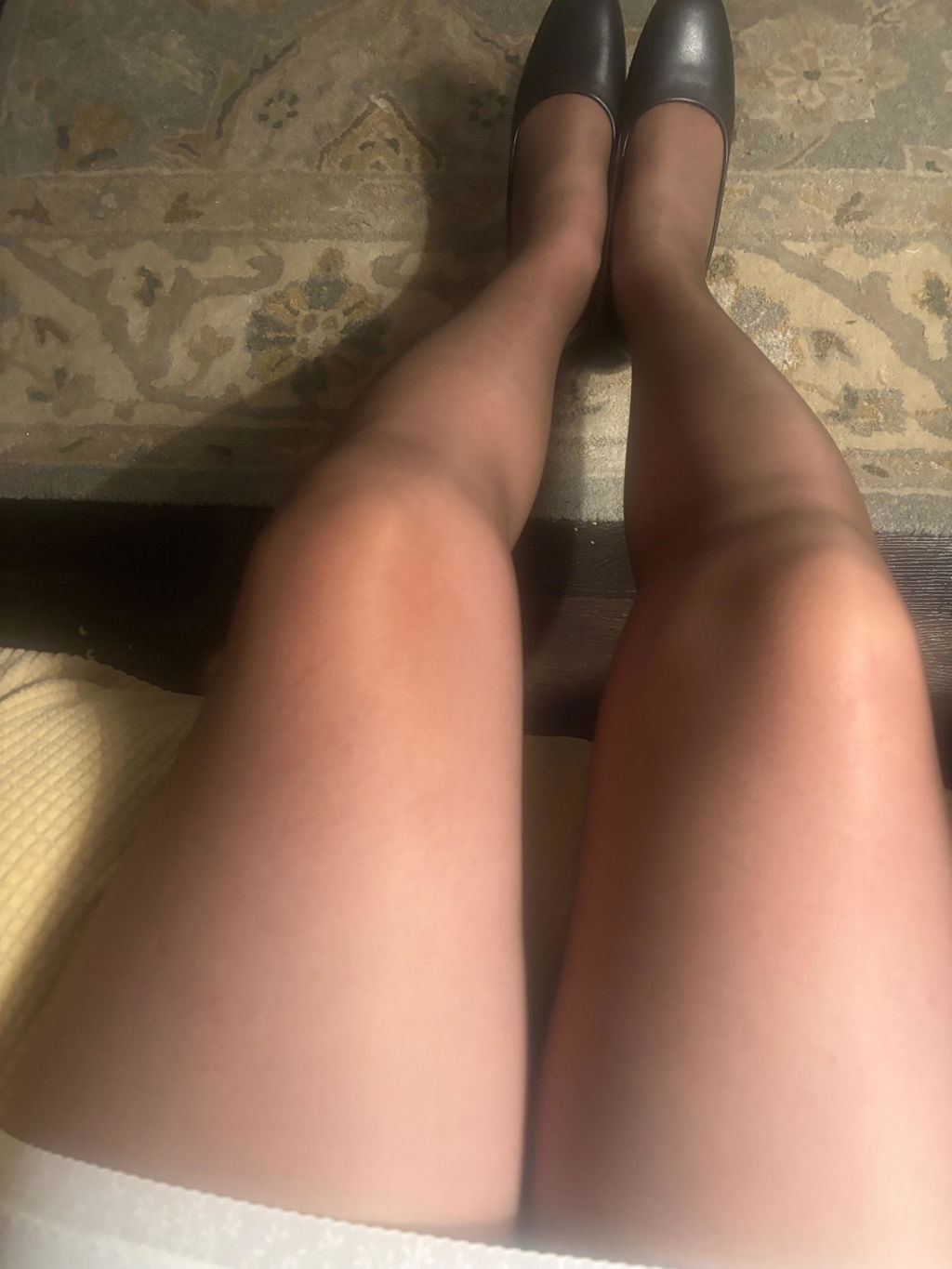
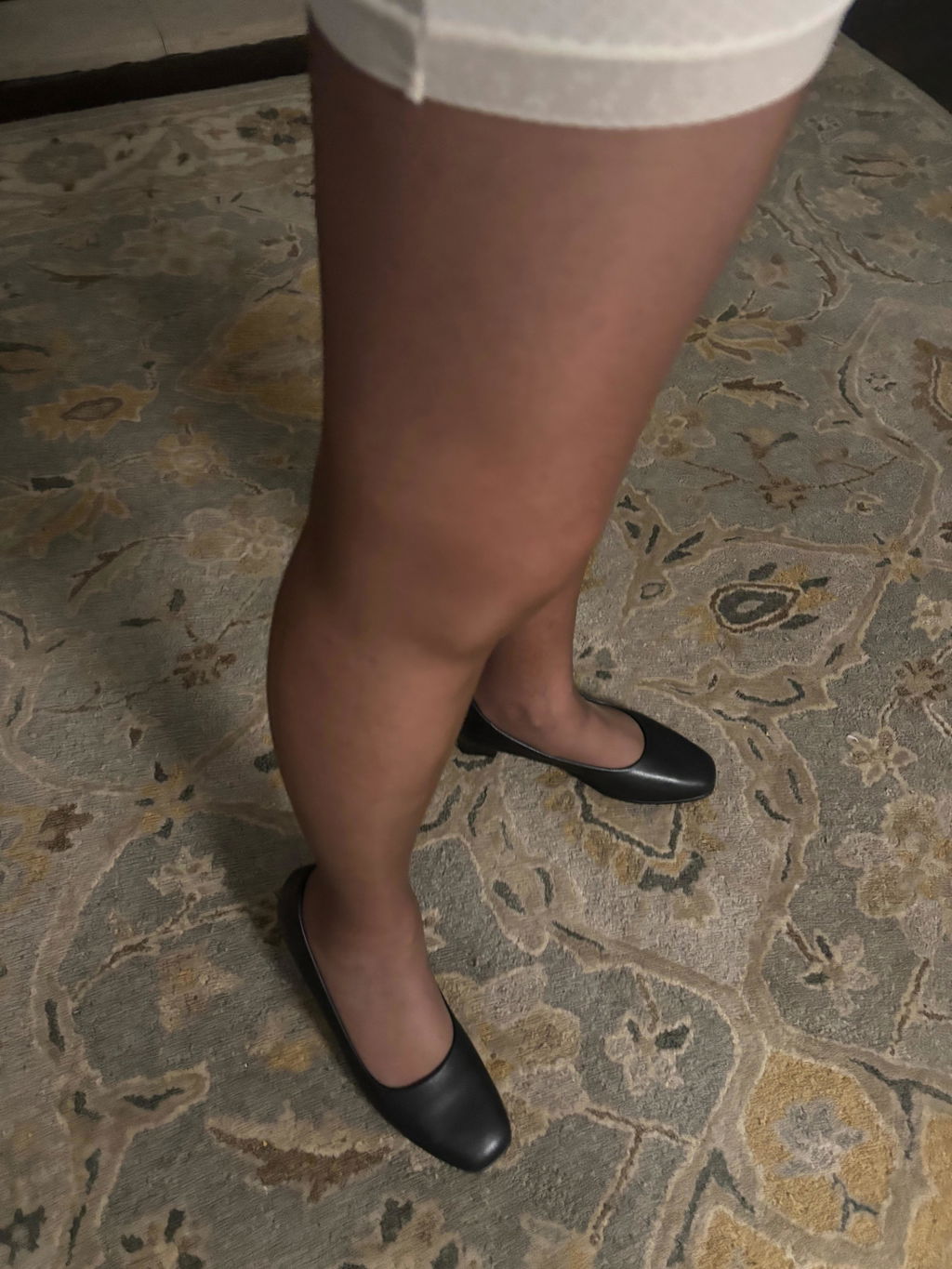
Sheer Hosiery Comparison for Every Outfit
Делиться
A pair of sheer tights can make a work dress look finished, soften the transition into cooler weather, or give an evening outfit a polished line. The difference between a pair you reach for again and one that stays in the drawer usually comes down to a few details. This sheer hosiery comparison helps you choose the right transparency, finish, color, and fit before you order.
Start With Denier
Denier, shown as DEN, tells you how fine or substantial the hosiery yarn is. It is the quickest way to compare coverage, but it does not tell the whole story. A quality 20 DEN tight can feel smoother and wear better than a poorly made 30 DEN pair, so fabric composition and construction still matter.
For a barely-there appearance, look at 8 to 15 DEN. These styles create a light, polished veil over the legs and are a natural choice for formal events, warmer weather, or outfits where you want hosiery to stay visually quiet. They are delicate by nature, so save them for occasions when a very sheer look is the priority.
A 20 DEN style is often the most practical starting point. It remains sheer but offers a little more evenness and durability for office outfits, dresses, skirts, and daily wear. If you only keep one classic sheer tight in your drawer, 20 DEN is a useful all-season choice.
At 30 to 40 DEN, the look moves toward semi-sheer. You still see the leg, but the coverage is more noticeable and more forgiving. This range works well in early spring, fall, air-conditioned offices, and occasions when you want more confidence than an ultra-sheer pair provides.
Sheer Hosiery Comparison by Finish
Two tights with the same denier can look completely different under light. Finish matters most when you are pairing hosiery with dress shoes, a fitted skirt, or an outfit for photographs.
Matte Sheers
Matte hosiery has little to no shine. It gives the leg a smooth, natural-looking appearance and is especially easy to wear for work, daytime events, and conservative dress codes. Matte black looks refined with tailored clothing, while matte nude is usually the best choice when you want the effect of bare, even-toned legs.
Choose matte if you prefer a quiet finish or if your shoes and clothing already have texture, shine, or decorative details. It is also a practical option for fuller coverage because it tends to look less reflective than glossy hosiery.
Silky or Slightly Shiny Sheers
A silky finish reflects more light, making legs appear sleek and dressy. This can be beautiful with an evening dress, pumps, or a special-occasion outfit. The trade-off is that shine can emphasize wrinkles around the ankle or knee if the size is too small or the fabric is not sitting smoothly.
For the most flattering result, match a shiny sheer closely to your skin tone or choose classic black. A shade that is noticeably lighter or darker than your natural skin can look more obvious when the finish has sheen.
Fashion and Patterned Sheers
Fantasy tights, polka dots, subtle stripes, mock stockings, and openwork designs are meant to be seen. They are a simple way to add personality to a plain black dress, skirt, or long sweater. With patterned styles, the best fit is especially important because stretched motifs can look uneven.
Keep the rest of the outfit uncomplicated. A patterned tight works best as the main detail, not as one of several competing prints.
Choose a Color That Works With Your Shoes and Outfit
Black sheer hosiery is a dependable choice for darker dresses, black shoes, fall and winter outfits, and more formal styling. A very sheer black can feel lighter than opaque tights while still providing definition. Semi-sheer black gives more coverage and is useful when you want a smooth, uniform look.
Nude hosiery should complement your skin tone rather than create a visible color layer. If you are between two nude shades, the closer match is generally better than choosing a much darker “tan” effect. Look at the color in natural daylight when possible. Indoor lighting can make hosiery appear warmer or cooler than it will outside.
For a continuous leg line, pair nude hosiery with nude or metallic shoes close to your skin tone. Pair black sheers with black or dark shoes for an equally intentional effect. A nude sheer with a black shoe can work, but it creates stronger contrast at the ankle and feels more fashion-focused.
Support, Waistbands, and Toe Construction Matter
Sheer hosiery is not only about appearance. The construction affects whether you will be comfortable through a commute, a presentation, a celebration, or a full day with the family.
Control-top tights provide gentle shaping through the tummy, hips, and upper thighs. They can help a fitted dress or skirt lie more smoothly, but they are not the best choice for everyone. If you dislike a firmer waistband or tend to feel restricted after sitting for long periods, choose a regular brief or a style with a soft, comfortable top instead.
A reinforced toe adds durability and is a practical option with closed-toe flats, boots, and pumps. A sandal toe or sheer toe gives a lighter finish for open-toe shoes, but it needs more careful handling. For summer weddings or dressy open shoes, check the product details before ordering rather than assuming every sheer style has an invisible toe.
Some styles include a cotton gusset for added comfort and breathability. This small detail can make a meaningful difference for daily wear. Flat seams are another feature worth considering when you wear fitted dresses or simply prefer less pressure at the waist and hips.
How to Get the Fit Right
A sheer tight should feel smooth from waist to toe, with no pulling at the knee, sagging at the ankle, or tightness across the waistband. Most sizing charts use height and weight together because leg length and body proportions both affect the fit. Use your current measurements rather than selecting the size you usually buy in jeans or dresses.
If you fall between sizes, consider how you prefer your hosiery to feel. Size up when you are tall, have longer legs, prefer more room through the hips, or want to reduce strain on a delicate sheer fabric. A too-small pair is more likely to feel uncomfortable and can be more vulnerable to runs. Sizing down for extra control rarely gives the best result unless the product chart specifically recommends it.
Put sheers on gradually. Gather one leg from the toe to the heel, place your foot carefully, then unroll the fabric up the calf and thigh. Repeat on the other side before pulling the waistband into place. This method prevents overstretching and helps the hosiery sit evenly.
When Sheer Tights Are Not the Best Choice
Sheers are ideal when appearance and light coverage are the goal, but they are not designed to replace warm tights in cold weather. If you will be outdoors for long periods, choose a higher-denier option, a cotton blend, or warm tights made for lower temperatures. Your outfit may look similar, but your comfort will be very different.
Likewise, if you need noticeable shaping, look for clearly labeled corrective or control styles rather than expecting every sheer tight to provide support. For everyday comfort, a classic 20 DEN matte style may be more useful than a highly glossy, ultra-sheer pair intended for occasional wear.
At ConteByOksana, selecting hosiery starts with the same practical questions: Where will you wear it, what shoes will you pair it with, and how much coverage feels comfortable? Once you know those answers, choosing between delicate sheers, everyday matte tights, and dressier fashion styles becomes much easier.
Keep one reliable pair in your preferred nude or black close at hand, then add a second option for the occasions your regular pair cannot cover. That small bit of planning makes getting dressed feel far less complicated.