Stockings Versus Pantyhose Differences Explained
Делиться
A polished outfit can feel completely different depending on what you wear under the skirt or dress. Understanding stockings versus pantyhose differences helps you choose legwear that feels comfortable, suits the weather, and gives you the coverage you actually want. The right choice is not only about appearance. It also affects fit at the waist, freedom of movement, warmth, and how easily you can wear your favorite outfit from morning through evening.
Stockings Versus Pantyhose Differences at a Glance
The main difference is simple: pantyhose are one connected garment that covers the feet, legs, hips, and waist. Stockings cover each leg separately and end at the upper thigh. They may stay up with silicone bands at the top, often called hold-ups or stay-ups, or they may be worn with a garter belt.
Because pantyhose extend to the waist, they provide a smooth, continuous layer under dresses and skirts. Stockings leave the hip and waist area uncovered, which many women prefer when they want less layering around the midsection or more flexibility in warm weather.
Neither option is automatically more comfortable or more flattering. It depends on the garment construction, your measurements, the occasion, and what you plan to wear over it.
What Are Pantyhose?
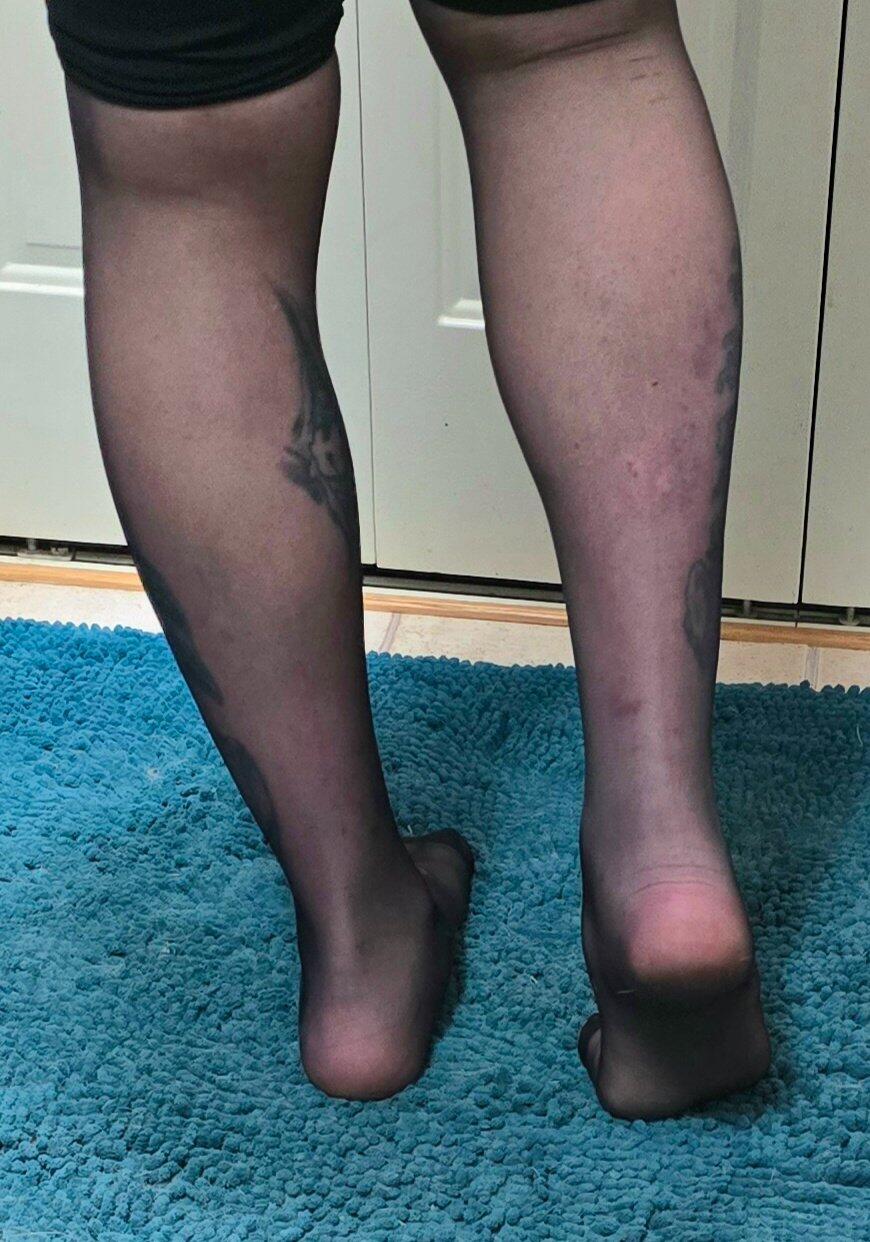
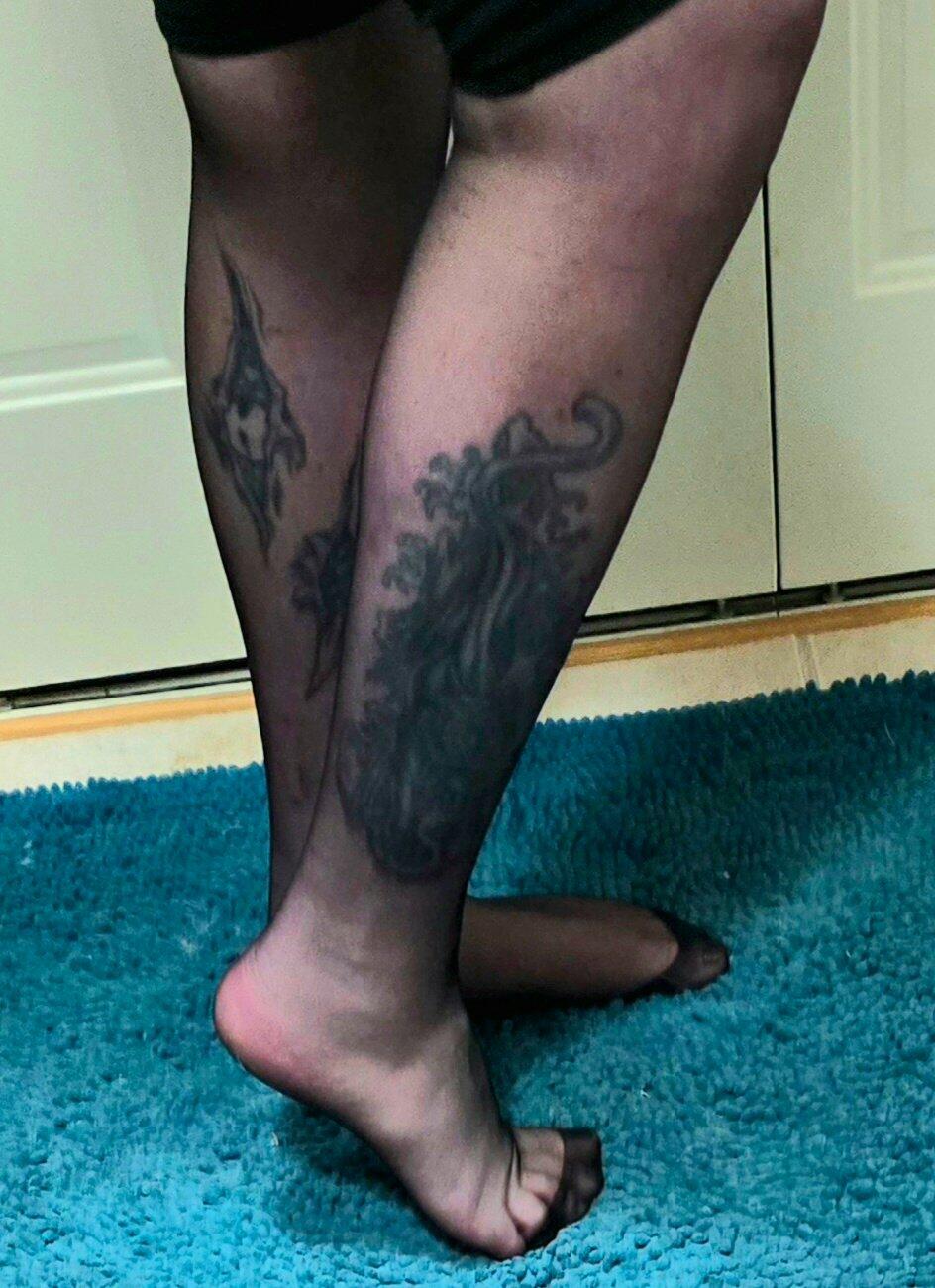
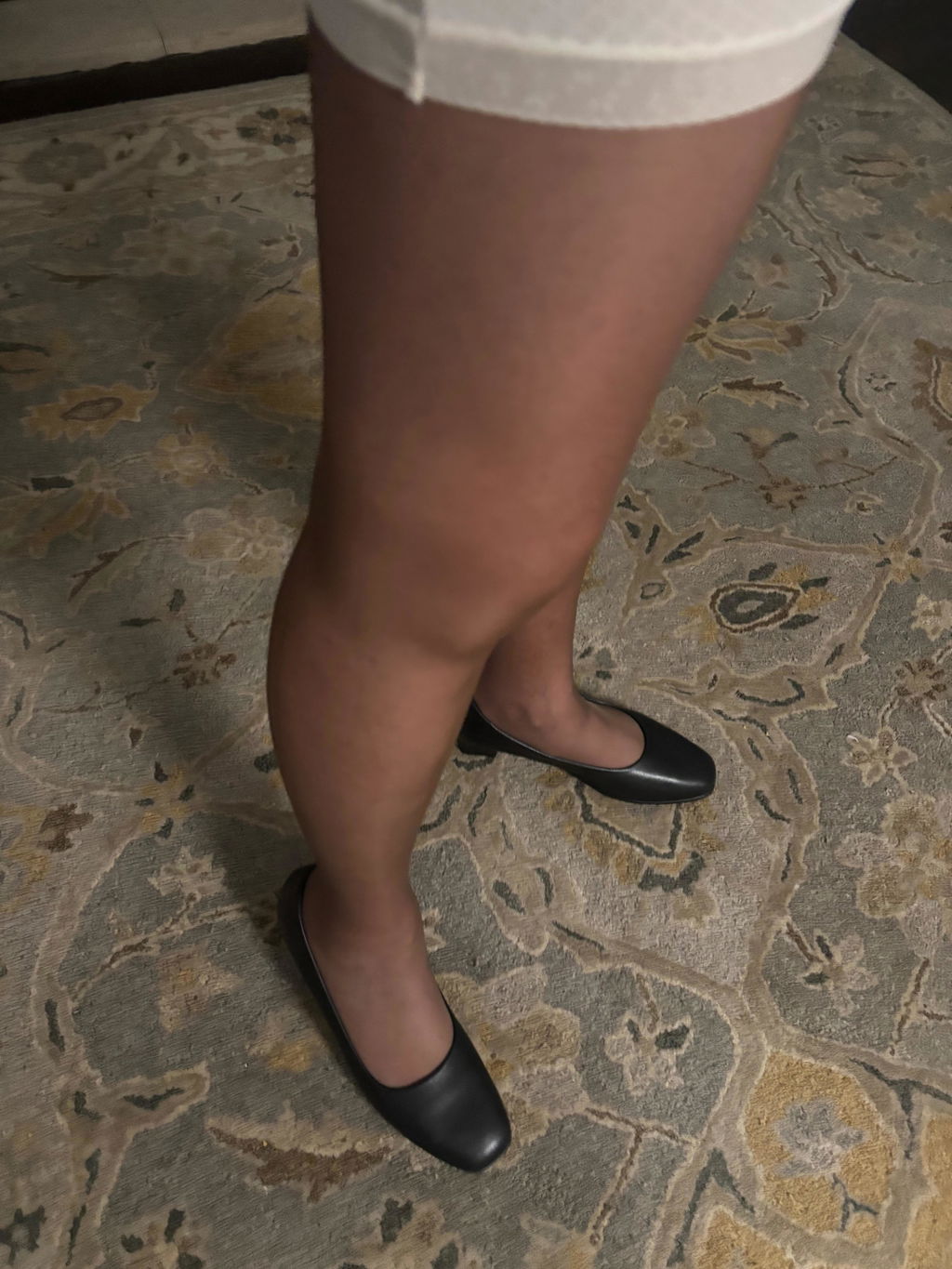
Pantyhose combine a brief-like upper section with two full leg sections. They are usually made with nylon and elastane, although the exact blend varies. Sheer pantyhose can create a refined bare-leg effect, while more opaque styles offer additional coverage and color.
A pantyhose style may include a reinforced toe, a sandal toe, a control top, a cotton gusset, or a shaped waistband. These details matter. A reinforced toe is useful with closed shoes, while a sandal toe is more suitable for open-toe footwear. A cotton gusset can improve everyday comfort, and a wider waistband may feel more secure without digging in.
In US shopping language, pantyhose are often lightweight to medium-coverage styles. Very opaque legwear is frequently called tights, even though tights share the same waist-to-toe construction. For practical shopping, check the denier and product description instead of relying on the name alone.
When Pantyhose Are a Practical Choice
Pantyhose work especially well when you want one clean layer from waist to toe. They can be a dependable choice for office outfits, special events, church, formal occasions, or any dress and skirt that benefits from a finished look.
They are also useful when the hemline is shorter or moves as you walk and sit. Since pantyhose cover the upper thighs, there is no visible stocking top to consider. A sheer nude shade can give legs a more even appearance, while black pantyhose can make a simple dress look more intentional and season-ready.
Corrective or control-top pantyhose may offer gentle smoothing through the stomach, hips, and upper thighs. The level of support varies by style. If you prefer comfort over compression, look for a regular waistband and a softer, more flexible knit rather than assuming every pantyhose style will feel the same.
What Are Stockings?
Stockings are separate leg coverings worn one at a time. They usually reach from the toes to the mid-thigh or upper thigh. Traditional stockings need a garter belt or suspender belt to stay in place. Hold-up stockings have silicone bands inside the top edge that grip the thigh without a garter belt.
Stockings offer a more open, less restrictive feeling through the waist and hips. This can be especially welcome under fitted dresses, when wearing shapewear separately, or during warmer months. They also make bathroom breaks easier because there is no full garment to pull down and adjust.
The top band is a major part of the design. A plain band is discreet, while lace bands create a more decorative finish. If your skirt or dress is short, take care that the stocking top stays covered when you sit, walk, or climb stairs.
Hold-Ups Versus Garter Stockings
Hold-ups are convenient because they do not require extra accessories. For the best fit, choose a size that matches both your height and thigh measurement when that information is available. A hold-up that is too small may feel tight or roll at the top. One that is too large may slide down during the day.
Garter stockings have a classic, polished look and can be adjusted with the straps on the garter belt. They are a lovely option for special occasions, lingerie styling, or anyone who dislikes the pressure of silicone bands. However, they do require more pieces and a little more time to put on correctly.
If you are wearing stockings for a long event, test them at home first. Walk, sit, and move around in the outfit you plan to wear. This quick check can prevent uncomfortable surprises later.
Coverage, Warmth, and Sheerness
When comparing stockings and pantyhose, think first about coverage. Pantyhose cover the entire lower body, while stockings leave the upper thighs, hips, and waist bare. That difference can affect warmth more than the material itself.
For a cool office, early spring event, or air-conditioned restaurant, pantyhose often provide a more comfortable overall layer. For hot weather, stockings can feel lighter because they allow more airflow above the thigh. Still, sheer pantyhose can be comfortable in summer if you choose a low-denier style with a breathable gusset.
Denier indicates the yarn weight and gives a helpful general clue about opacity. Lower-denier hosiery is usually sheerer and lighter. Higher-denier styles are generally more opaque and better suited to cooler weather. It is not a perfect measure of durability, because knit construction and fiber quality also matter, but it is a useful starting point.
For truly cold days, consider warm tights, cotton tights, or thicker opaque styles instead of sheer pantyhose or stockings. Stockings can look elegant in winter, but they do not provide the same coverage as a warm waist-to-toe layer.
Fit: Where Most Hosiery Decisions Are Made
A beautiful hosiery style is only useful if it fits well. Pantyhose sizing is usually based on height and weight, with some brands also offering size charts by hips. Follow the chart for the specific product rather than choosing the same size you wear in clothing. Hosiery stretches differently from dresses, jeans, and underwear.
Pantyhose that are too small can pull at the crotch, slide down at the waist, or feel overly tight through the thighs. A pair that is too large can bunch around the ankles and lose its smooth appearance. If you are between sizes, the better choice depends on your proportions. A taller person or someone with fuller hips and thighs may be more comfortable sizing up when the chart allows.
Stockings need attention at the thigh. Measure around the area where the top band will sit, then compare that measurement to the product guidance if provided. Avoid applying body lotion, oil, or powder directly where silicone hold-up bands need to grip, as these products can cause slipping.
Styling Stockings and Pantyhose
Pantyhose are usually the easier choice for a conservative workplace, a formal daytime occasion, or an outfit where you want a consistent finish from waist to shoes. Match black pantyhose with black shoes for a longer visual line, or choose a sheer nude shade that closely suits your skin tone for a subtle effect.
Stockings are ideal when you want a lighter feel, a more classic lingerie-inspired detail, or an outfit that does not need coverage above the thigh. They pair well with longer dresses, midi skirts, and looks where the stocking top will remain concealed. A back seam can add vintage-inspired character, while a smooth sheer stocking keeps the result understated.
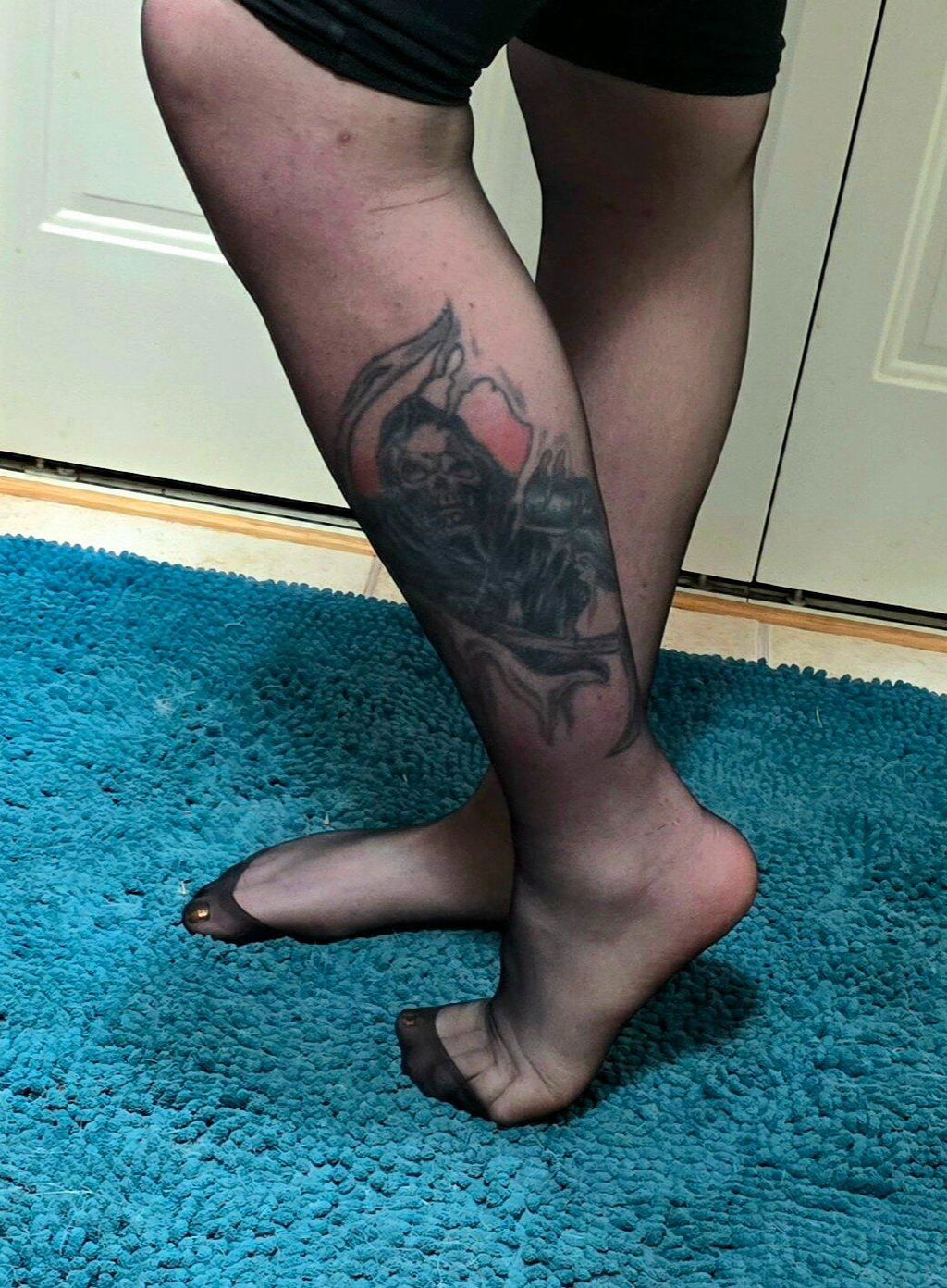
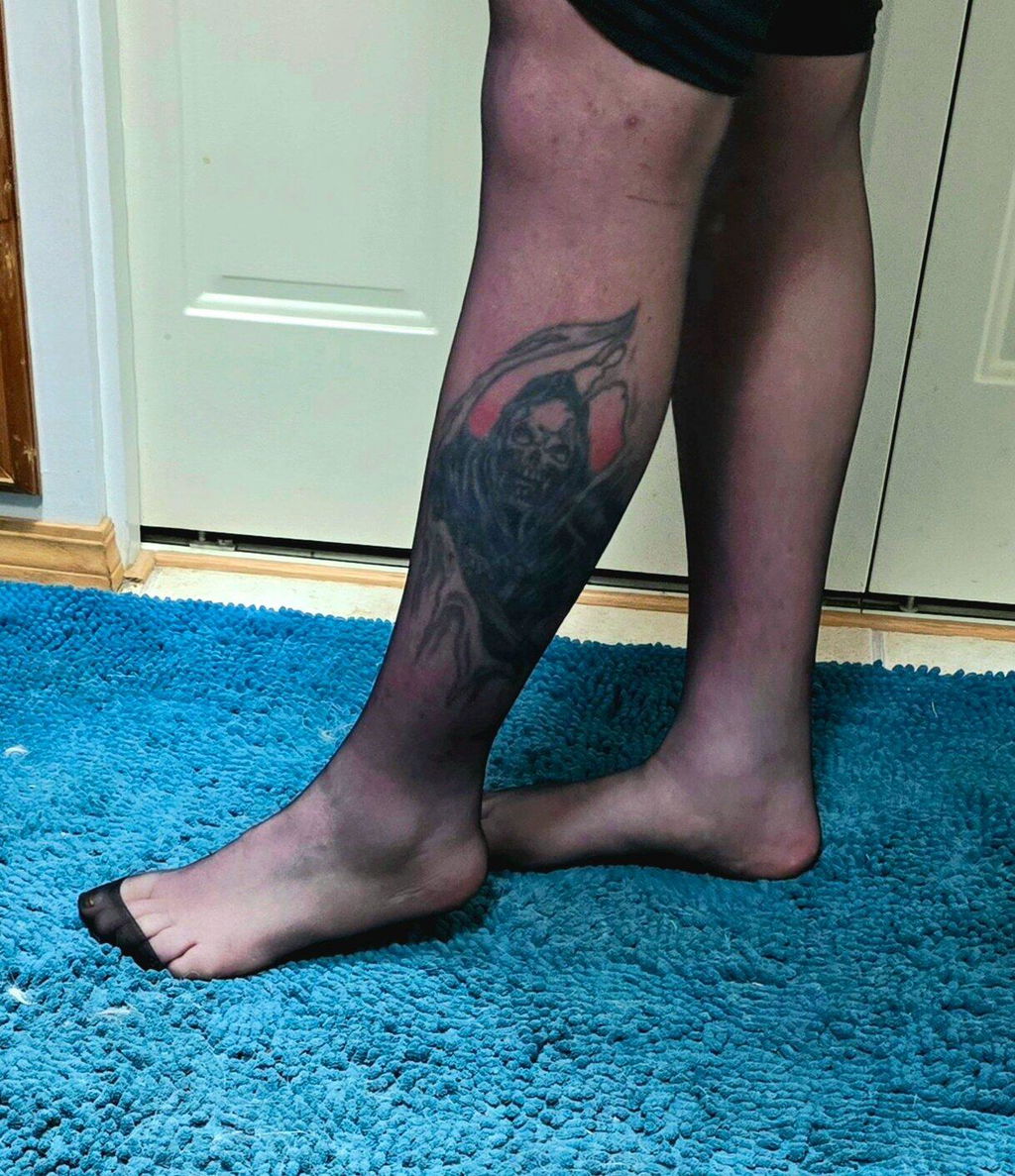
With open-toe shoes, choose hosiery made for that purpose, such as a sandal-toe pantyhose or a stocking with an appropriate toe finish. A reinforced toe is practical and durable, but it is meant to be seen with closed-toe shoes.
Care That Helps Hosiery Last
Most hosiery damage happens when it catches on rough nails, jewelry, zippers, or dry skin. Put on stockings and pantyhose slowly, gathering the fabric from the toe upward rather than pulling from the waistband or top band. Remove rings or bracelets that could snag delicate fabric.
Hand washing in cool water with a gentle detergent is the safest care method. If you use a washing machine, place hosiery in a mesh laundry bag and select a delicate cycle. Skip bleach, avoid high heat, and air dry away from direct heat sources. These small habits help preserve elasticity and reduce the chance of runs.
Which One Should You Choose?
Choose pantyhose when you want full coverage, a smooth waist-to-toe silhouette, gentle shaping options, or a practical layer for cooler days. Choose stockings when you want an open waist, easier wear in warm weather, or a more traditional and feminine legwear look.
For your first pair, start with the outfit and the length of time you will be wearing it. A comfortable, well-sized style in a classic sheer black or nude shade is far more useful than a beautiful pair that feels wrong after an hour. The best hosiery is the pair that lets you move through your day feeling polished, comfortable, and completely at ease.