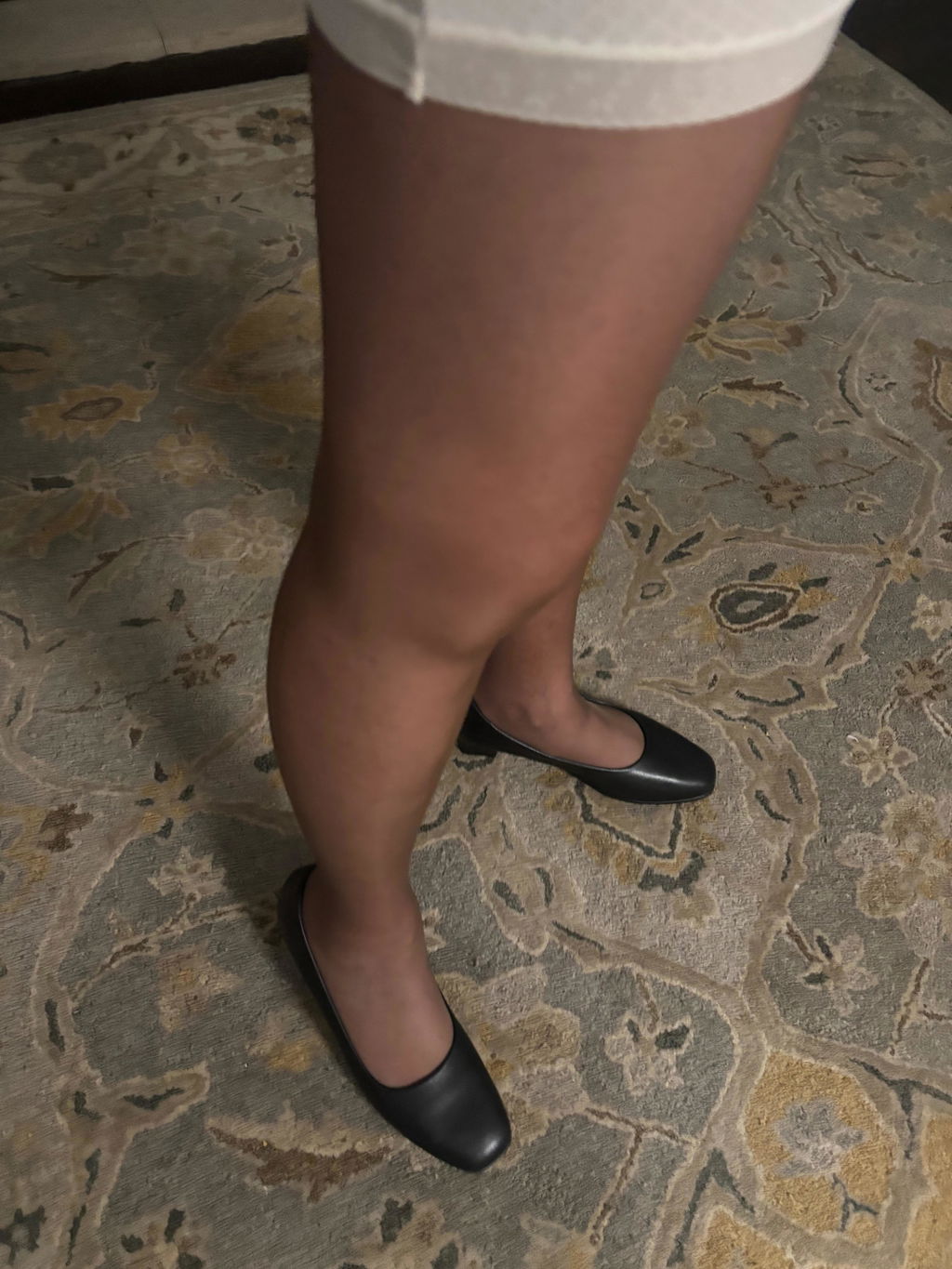
Corrective Tights for Tummy Control That Fit
Поділитися
A fitted dress that looks right in the mirror can feel very different after a commute, a long meeting, or dinner out. That is where corrective tights for tummy control earn their place in a wardrobe. They add a smooth, supported feeling through the midsection while still giving you the coverage and polished finish of regular hosiery.
The best pair should not feel like a garment you cannot wait to remove. Good corrective tights balance shaping with stretch, stay comfortably in place at the waist, and suit the outfit and temperature you have planned for the day. Choosing well starts with understanding what the control top is designed to do, and what it is not.
What Corrective Tights for Tummy Control Do
Corrective tights have a reinforced panty section, often called a control top or shaping top. This area is knit with more supportive yarns or a denser construction than the leg, creating gentle to firm compression around the stomach, waist, hips, and sometimes upper thighs. The result is a more even silhouette under close-fitting clothing.
They are especially useful under pencil skirts, knit dresses, sheath dresses, tailored pants, and occasion outfits where you would like a little extra confidence through the middle. Depending on the style, the shaping panel may also help tights stay in position better than a very soft, basic panty top.
Tights cannot change body shape, replace properly fitted clothing, or feel equally comfortable for every body. Their job is more practical: to smooth the line between the waist and hips, offer light support, and provide a neat foundation under clothing. The amount of shaping you prefer is personal. Some shoppers want a barely noticeable hold for daily office wear, while others prefer firmer support for an evening dress.
Choose Your Level of Support
The word “corrective” can describe several different levels of control. Reading the product description carefully is more helpful than assuming every shaping tight will feel the same.
Light control for everyday comfort
Light-control tights are a sensible choice if you are new to shaping hosiery or wear tights for many hours at a time. They gently smooth the tummy without a restrictive sensation and usually work well for workdays, travel, and casual dresses. This level can be especially comfortable when you need to sit, move, and bend throughout the day.
Medium control for a defined, smooth look
Medium control offers more noticeable support through the tummy and hips. It is a versatile middle ground for fitted skirts, special lunches, work events, and dresses with smooth or stretchy fabric. If regular tights tend to roll at the waist or feel too loose through the panty area, medium support may give the more secure fit you are looking for.
Firm control for occasion dressing
Firm-control tights are intended for times when a stronger shaping effect matters most. They can be a good option under a body-skimming dress or a more formal outfit, but they are not automatically the best choice for every day. A firm control top should feel supportive, not painful, numb, or difficult to breathe in. If it digs in, rolls down, or causes discomfort within a few minutes, try a different size or a lighter-control style.
Start With Size, Not the Size You Wish to Wear
The most common mistake with tummy-control tights is sizing down for more compression. In practice, this usually creates the opposite of a smooth result. Tights that are too small can pull at the crotch, strain at the seams, slide down, or create a tight line at the waistband. They are also more likely to snag while being pulled on.
Use the brand’s size chart and compare both height and weight, rather than relying only on your usual dress size. When you fall between two sizes, the better choice depends on your proportions and preferred fit. If you are taller, have a fuller hip, carry more length through the torso, or dislike a very tight waistband, sizing up is often more comfortable. If you are clearly within one range and want the intended shaping effect, choose that listed size.
Pay attention to size options designed for different proportions, including extended or plus sizes when available. A larger size is not simply a wider version of a smaller tight. Well-designed hosiery should also allow enough rise and length for the panty section to sit where it belongs: at your natural waist, not pulled low on the hips.
At ConteByOksana, product sizing details are worth checking before ordering, particularly because European hosiery sizing can use a number scale instead of familiar US letter sizes. A quick look at the chart helps prevent a disappointing fit and makes it easier to select the right style the first time.
Fabric, Denier, and the Finish Under Clothing
A control top is only one part of the decision. The leg fabric and denier affect warmth, coverage, durability, and how the tights look with your outfit.
Sheer tights, often in lower deniers, create a lighter and more transparent finish. They suit dressier outfits and warmer weather, but a very sheer style will naturally be more delicate. Semi-opaque and opaque tights provide greater coverage and are often easier to wear from day to day, especially with skirts, sweater dresses, and boots. Higher-denier styles can also be a practical choice for cooler months.
Look for a fabric blend with enough elastane to help the tights recover their shape. A smooth microfiber finish can feel soft and create an even appearance under clothes, while a more matte finish is often forgiving under knitwear and daytime outfits. If your dress is very clingy, avoid bulky seams or heavily textured control panels unless they are designed to lie flat.
Color matters, too. Black corrective tights are an easy wardrobe staple because they work with most shoes and create a streamlined look. Nude shades can be beautiful with lighter dresses, but the best result comes from choosing a tone that looks natural against your skin rather than simply picking the lightest option. For cold-weather styling, opaque navy, brown, charcoal, or deep burgundy can add color while remaining practical.
How to Put On Shaping Tights Without Overstretching Them
Even a perfectly sized pair can feel wrong if the control top is pulled into place too quickly. Take a moment when dressing, especially with sheer styles. Remove rings or jewelry that could catch the knit, and make sure your hands are dry.
Gather one leg from the toe to the ankle, step in, and gradually work the fabric over the calf and knee. Repeat on the other side, then pull both sides upward in small, even movements. Once the tights are at the hips, adjust the panty section so the shaping panel sits smoothly over the lower stomach and the waistband rests at the natural waist.
Do not pull hard from the waistband alone. That can overstretch the top, place stress on the seams, and leave too little fabric through the leg. If you see twisting, wrinkles behind the knees, or a low crotch, gently redistribute the fabric before getting dressed. A few seconds of adjustment can make the tights feel far more comfortable all day.
Common Fit Problems and Simple Fixes
A waistband that rolls may mean the tights are too small, the rise is too short for your torso, or the control level is firmer than you need. Try a larger size or a style with a wider, softer waistband. Rolling is not something you should have to tolerate just because the tights are labeled corrective.
If the tights slide down during the day, check whether there is enough length through the leg and rise. Pulling the legs too high before the panty section is fully in place can leave the top short. A size that is too large may also shift, so it helps to consult the chart rather than guessing.
For a visible line under a thin dress, choose a smoother panty construction and make sure the waistband is not folded. Consider the dress fabric as well. Very lightweight knits can show the edge of almost any underlayer, while a lined dress or slightly thicker material usually gives a cleaner finish.
Care That Helps Tights Last
Corrective tights work hard, and careful washing preserves their stretch and shaping. Hand washing in cool or lukewarm water with a gentle detergent is the safest approach. If you use a washing machine, place the tights in a mesh laundry bag and choose a delicate cycle. Keep them away from rough items such as bras with hooks, denim, or garments with zippers.
Skip bleach and high heat. Air drying protects elastane better than a dryer and helps the waistband retain its recovery. It is also wise to keep a spare pair for busy mornings or special events, especially if you favor sheer tights.
The right corrective tights should let you focus on your plans, not your waistband. Choose the support level that feels good on your body, follow the size chart, and give yourself a few minutes to try the fit at home before the occasion that matters.