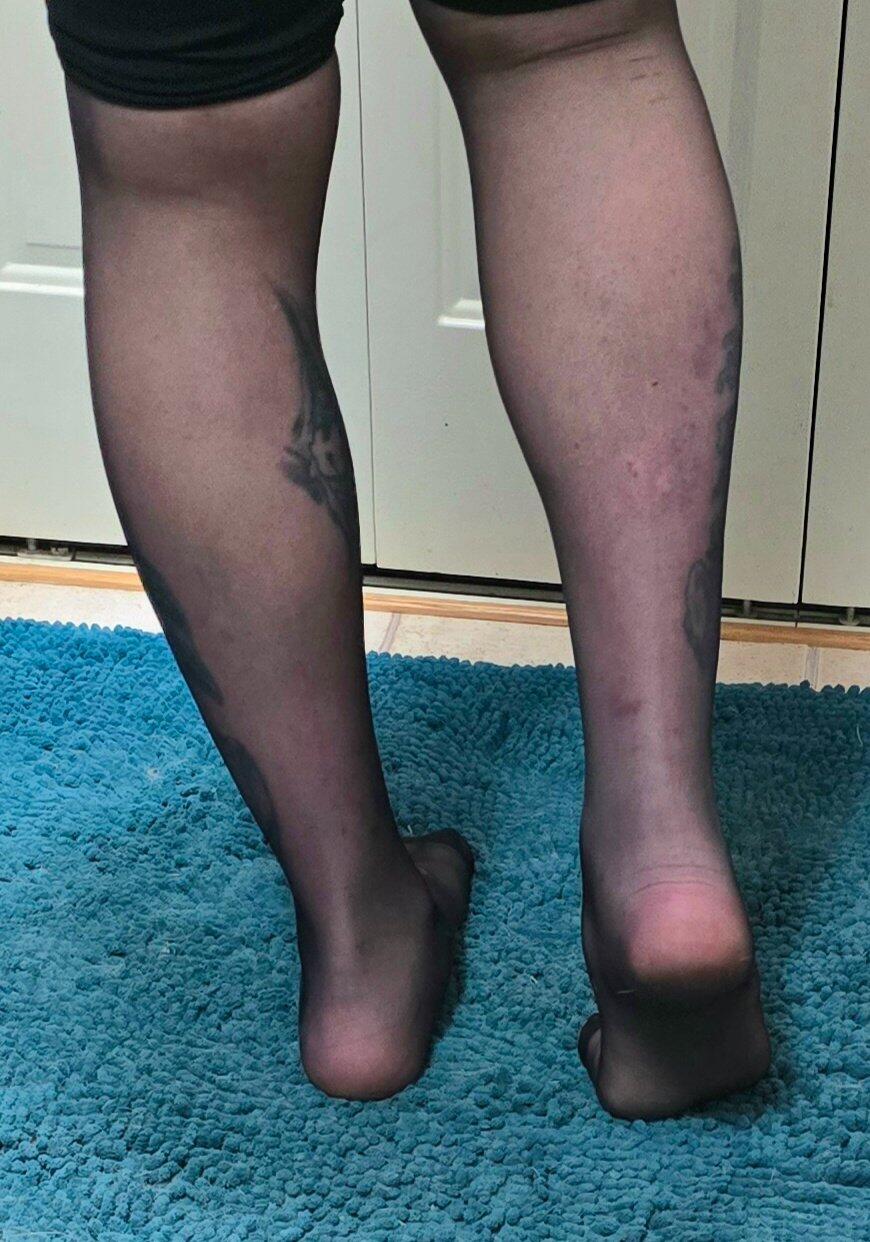
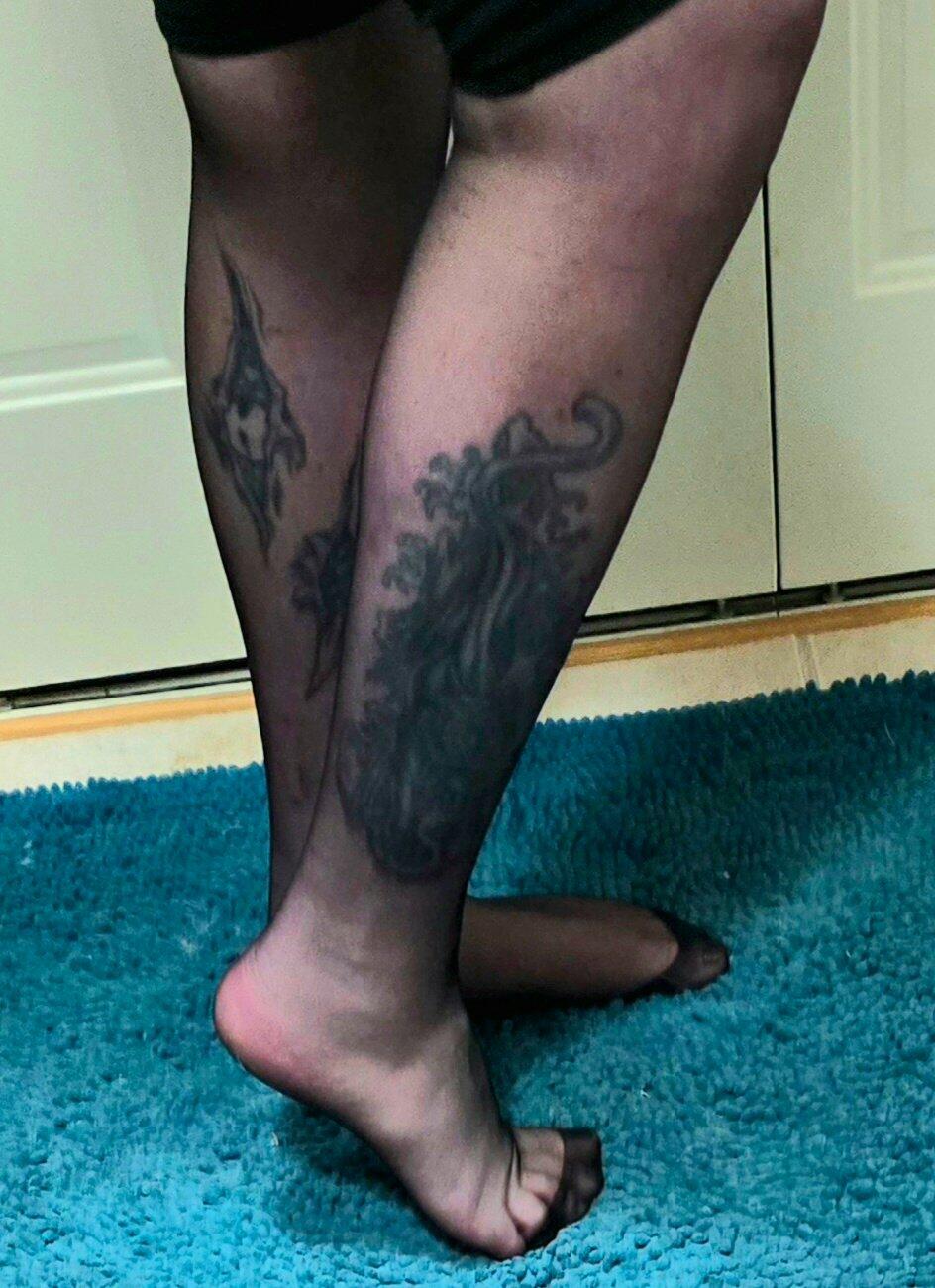
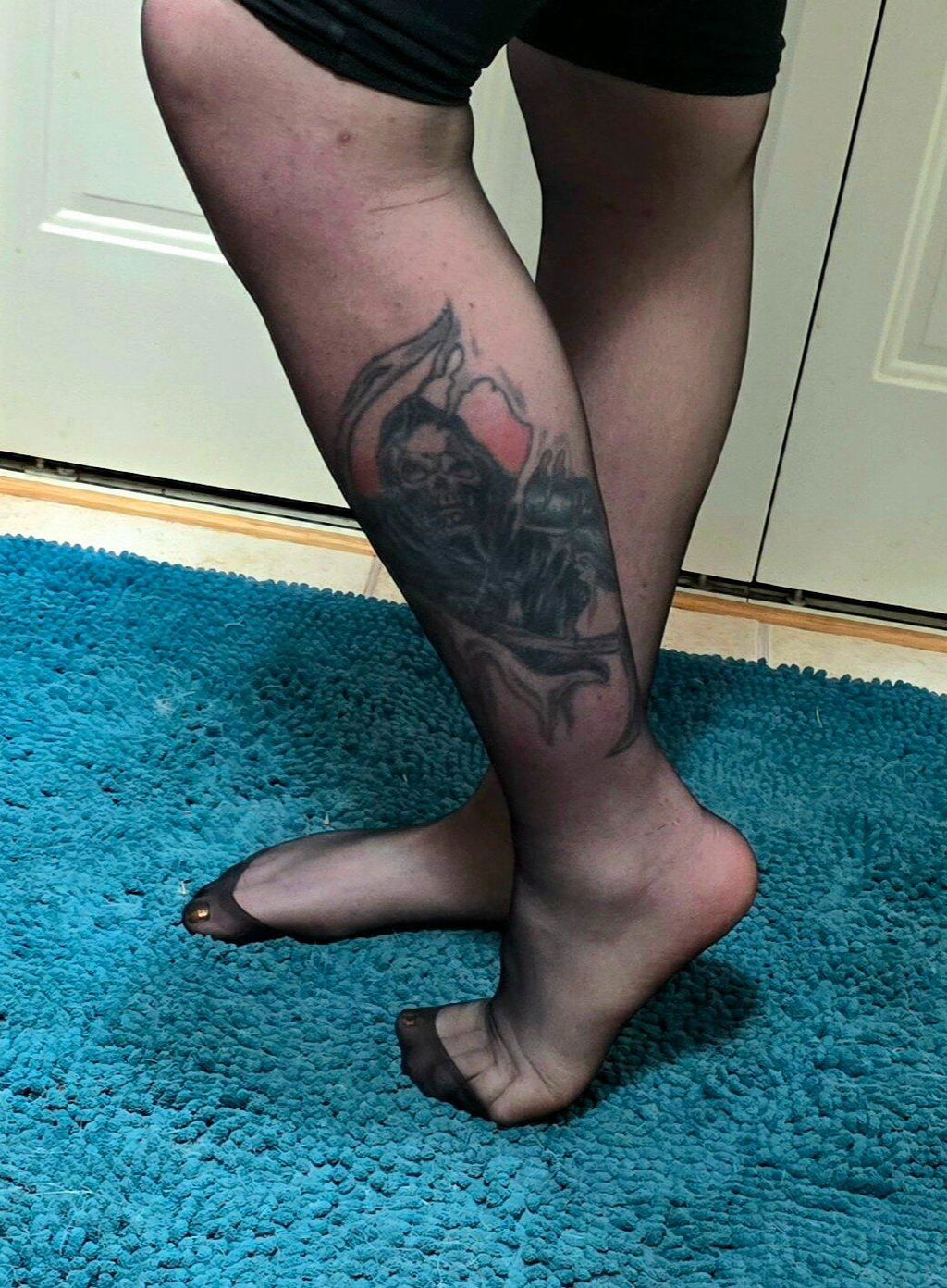
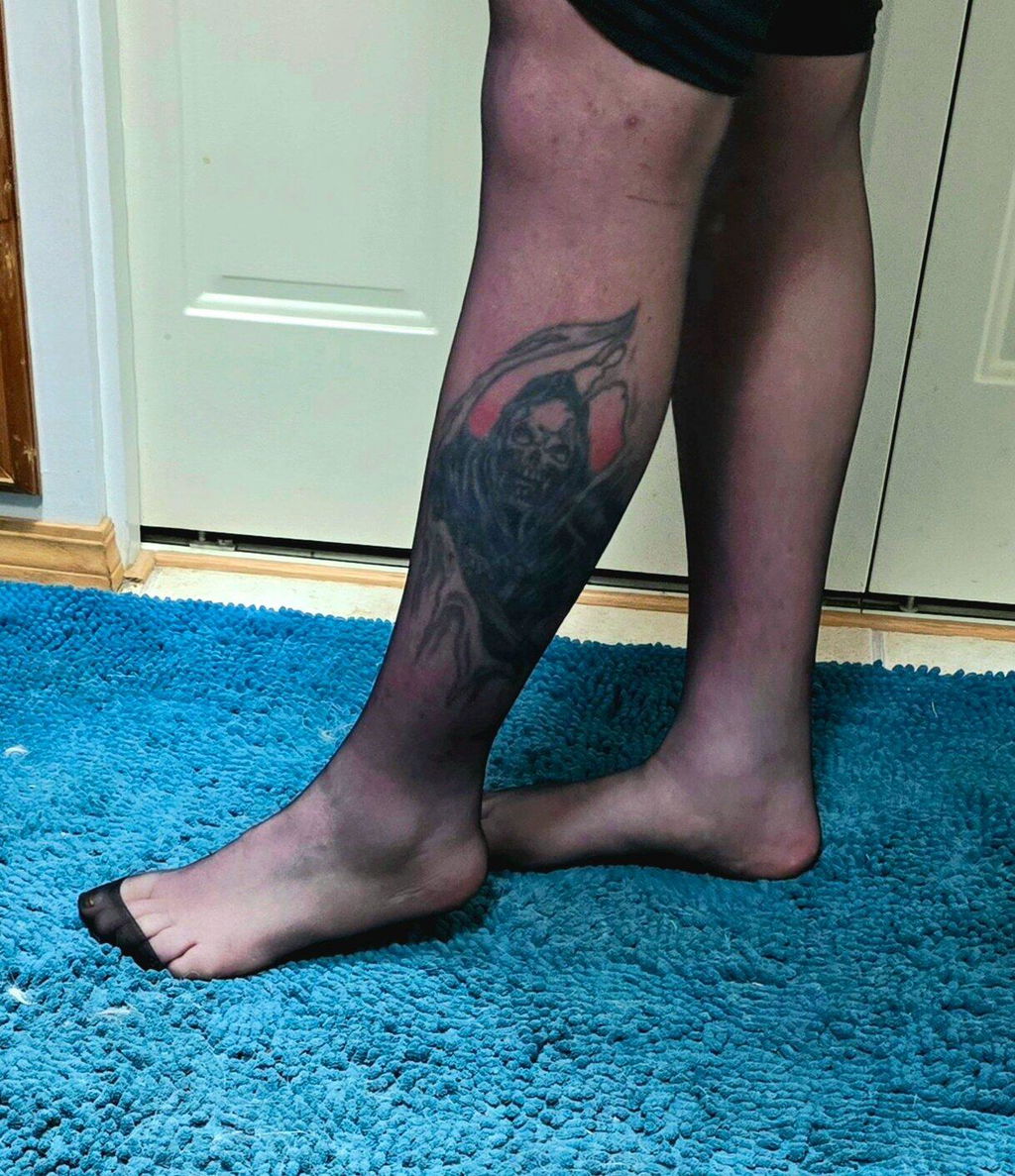
How to Choose Sheer Hosiery for Every Outfit
Поділитися
A pair of sheer tights can make a work dress look finished, soften the transition into open-season weather, or give a special-occasion outfit a polished line from waist to toe. The challenge is that “sheer” is not one single look. Knowing how to choose sheer hosiery means looking beyond the shade on the package and considering denier, fit, finish, toe style, and where you plan to wear it.
Start With Denier: How Sheer Is Sheer?
Denier measures the yarn weight used in hosiery. In practical terms, a lower denier looks more transparent, while a higher denier gives more coverage. It is the first detail to check because it affects both appearance and durability.
Very sheer hosiery, usually around 8 to 15 denier, gives the barest, most delicate effect. It is a lovely choice for dressy events, warmer weather, and outfits where you want your legs to look natural rather than visibly covered. The trade-off is that ultra-sheer styles require more careful handling and can snag more easily.
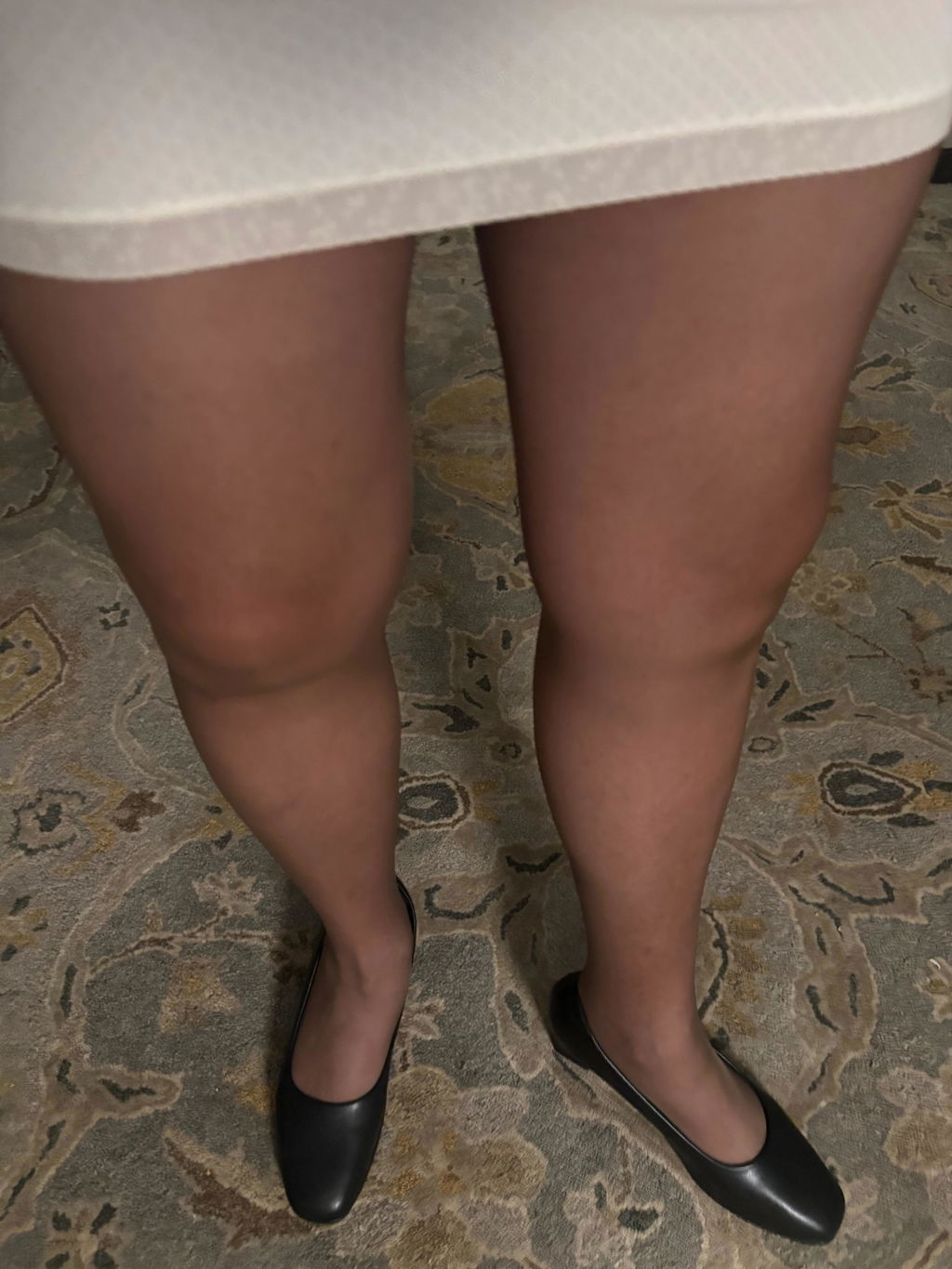
For many everyday outfits, 15 to 20 denier is the most useful range. It still looks light and refined, but it offers a little more coverage and confidence for commuting, sitting at a desk, or wearing a dress all day. A 20 denier pair can also help create a more even-looking leg without appearing opaque.
Once you move toward 30 denier, the finish becomes noticeably more covered. These tights work well for early fall, cooler offices, or anyone who prefers a smoother, more forgiving look. They are not the best choice when an event calls for a truly transparent leg, but they can be a practical middle ground between sheer tights and opaque styles.
Choose a Shade That Works With Your Outfit and Skin Tone
Nude sheer hosiery should enhance your natural coloring, not make your legs look gray, orange, or noticeably lighter than your hands. If possible, compare the shade description with your own undertone. Beige and natural shades tend to suit fair to medium complexions, while tan, bronzed, and deeper nude options can give a more harmonious result for medium to deep skin tones.
When you are between two nude shades, the slightly deeper choice often looks more natural than a shade that is too pale. Light hosiery can become especially visible under indoor lighting or flash photography. A sheer finish may soften the color, but it will not completely hide a poor shade match.
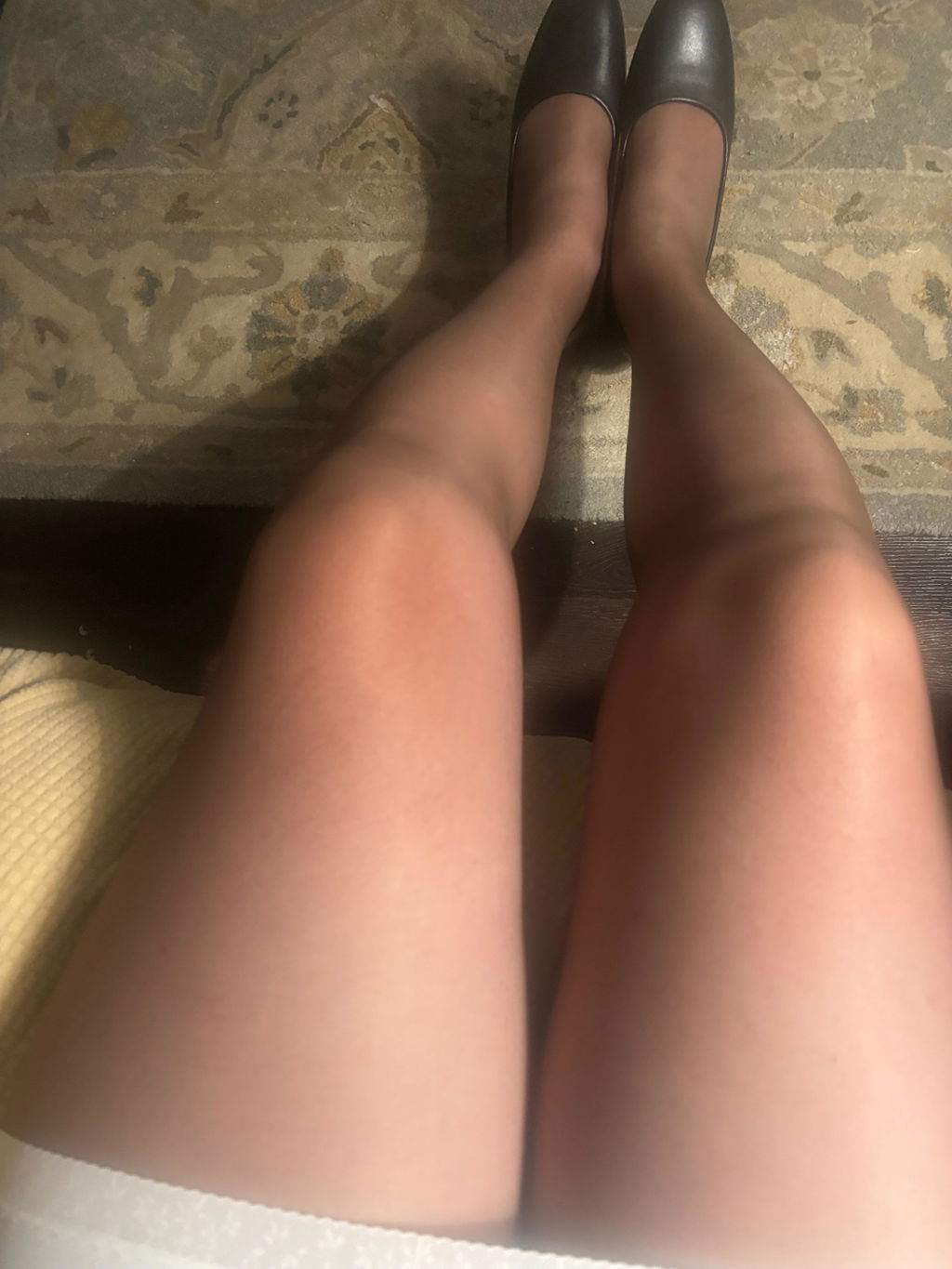
Black sheer tights are a wardrobe staple because they work with black dresses, skirts, tailoring, boots, and evening shoes. A 15 to 20 denier black tight looks classic for the office or dinner. For formal daytime occasions, very sheer black can feel more elegant than a dense, dark finish.
There are also fashion shades such as graphite, moka, or soft brown. These can be a welcome alternative to black, especially with navy, burgundy, camel, gray, or brown clothing. The goal is not always an exact match. A carefully chosen contrast can make an outfit feel considered without competing with it.
Pick the Right Finish for the Occasion
The finish determines how hosiery reflects light. Matte sheer tights are usually the easiest to wear because they create a smooth, understated appearance. They are a dependable choice for workwear, family gatherings, school events, and daily dresses.
A slight sheen can make legs look luminous and is often flattering for evening wear. However, highly glossy hosiery may draw attention to texture or look stronger under bright lighting. If your dress has sequins, satin, or other shine, matte hosiery generally keeps the outfit balanced. If your outfit is simple and you want a more glamorous effect, a subtle shine can be beautiful.
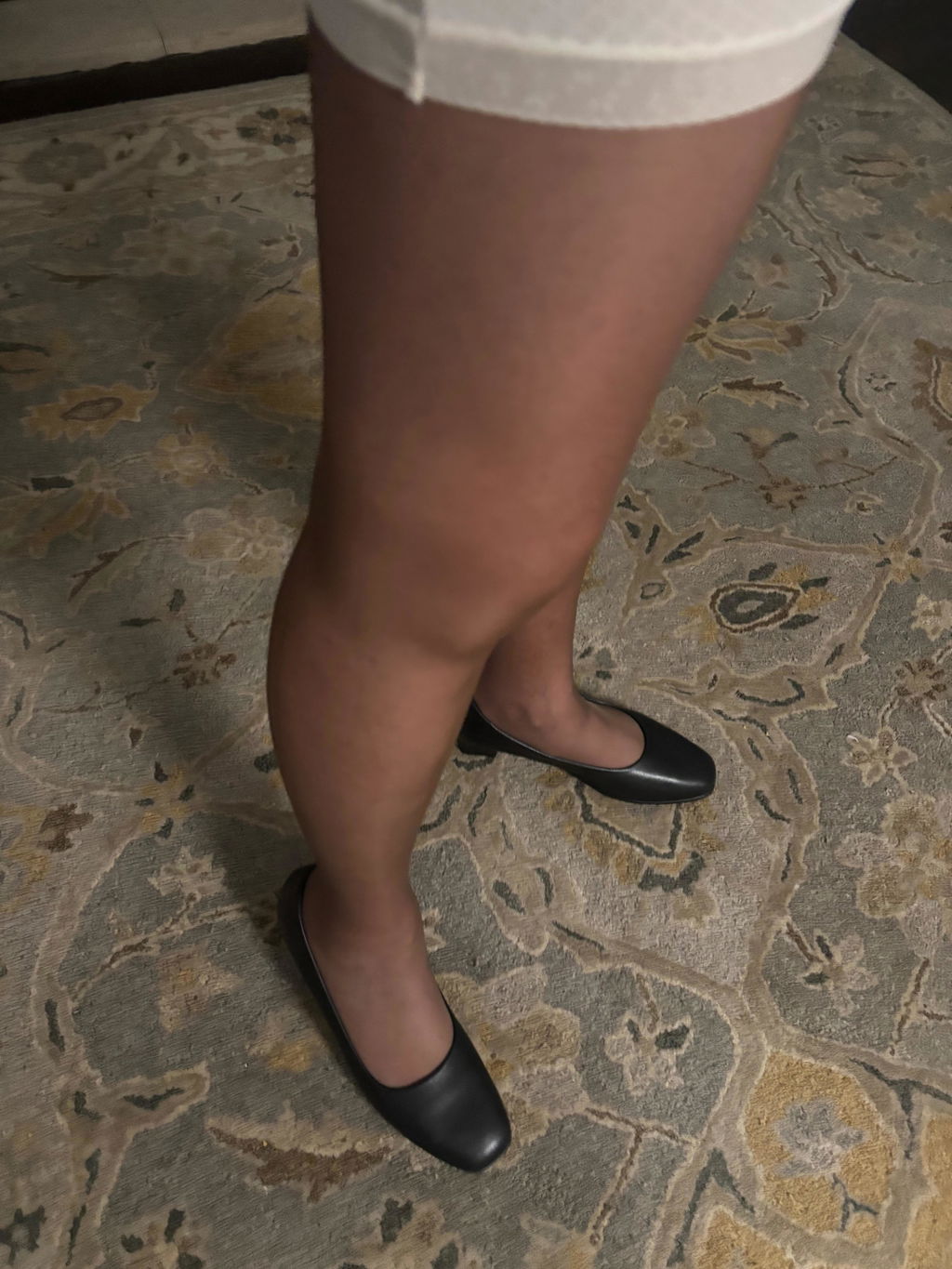
For special events, think about the full setting. A barely-there nude pair works well with a light cocktail dress and closed-toe pumps. Sheer black pairs naturally with a darker dress or a tailored skirt. If you expect to be outdoors in cool weather, choosing a slightly higher denier may be more comfortable than sacrificing warmth for the sheerest possible look.
Fit Matters More Than Squeezing Into a Smaller Size
A good sheer tight should feel gently supportive, not restrictive. When hosiery is too small, the waistband may roll, the crotch may sit too low, and extra tension can cause runs at the thighs, toes, or seams. Going smaller does not create a smoother silhouette. It usually makes the tights less comfortable and less durable.
Use your height and weight together when checking a size chart. If you are close to the top of a range, have fuller hips or thighs, or prefer more room through the waist, sizing up is often the more comfortable option. The same is true during pregnancy, although maternity-specific styles may provide a better fit as your body changes.
Look for features that suit your needs. A reinforced panty section can add durability for everyday wear. A control-top or corrective brief can provide gentle shaping through the tummy, hips, and upper thighs. This can be helpful under fitted dresses and pencil skirts, but the support level should feel wearable for the length of your day.
A comfortable waistband is especially valuable if you sit for long periods or wear hosiery at work. If you dislike pressure at the waist, choose a style described as soft, comfort-top, or with a wider waistband rather than assuming every control-top design will feel the same.
Consider the Shoe Before You Buy
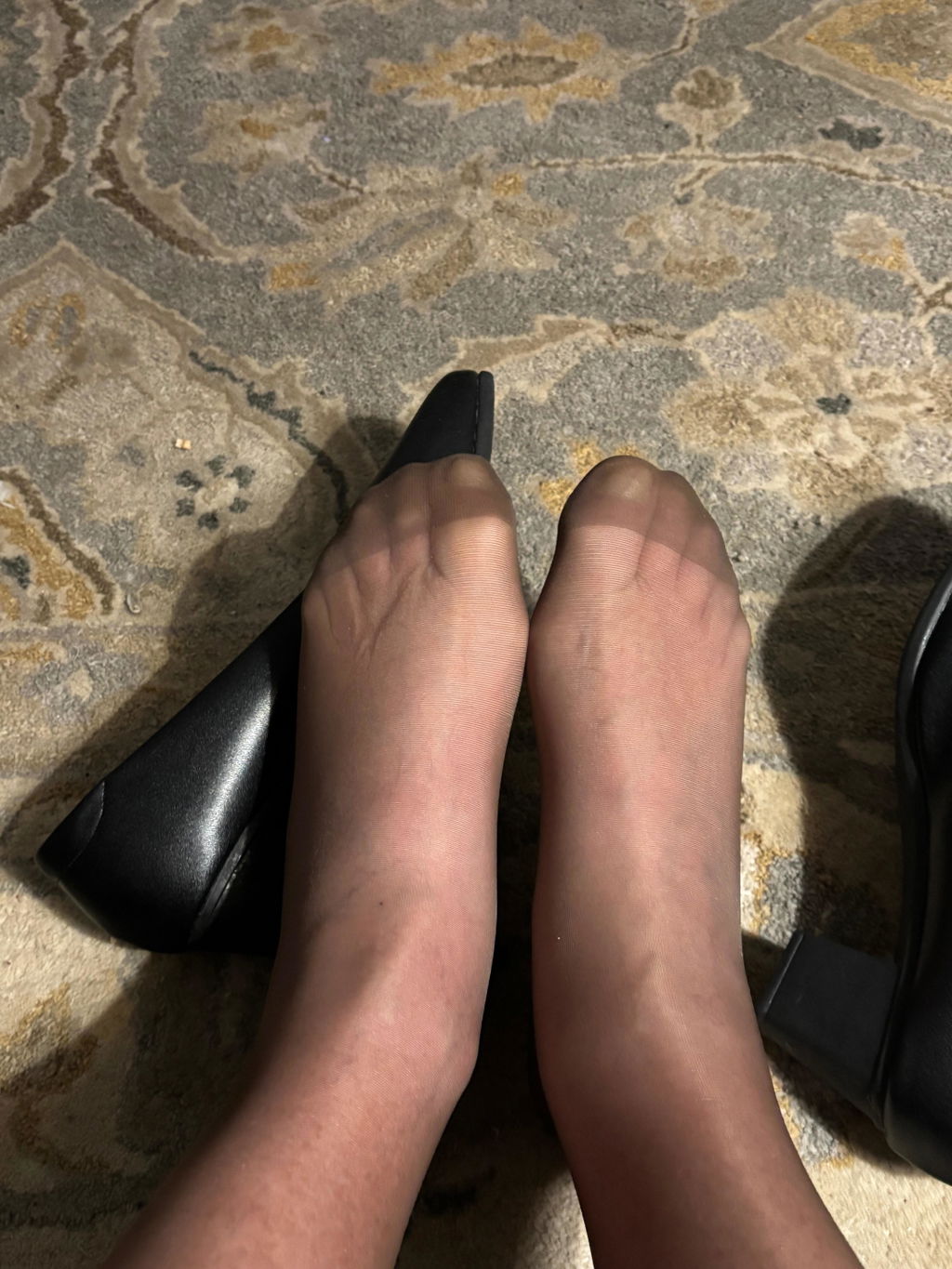
Your shoe choice can decide which sheer hosiery details matter. With closed-toe pumps, loafers, or ankle boots, a reinforced toe is a practical feature. It offers extra strength where hosiery often wears out first, particularly if your toenails are not filed smooth or your shoes fit closely.
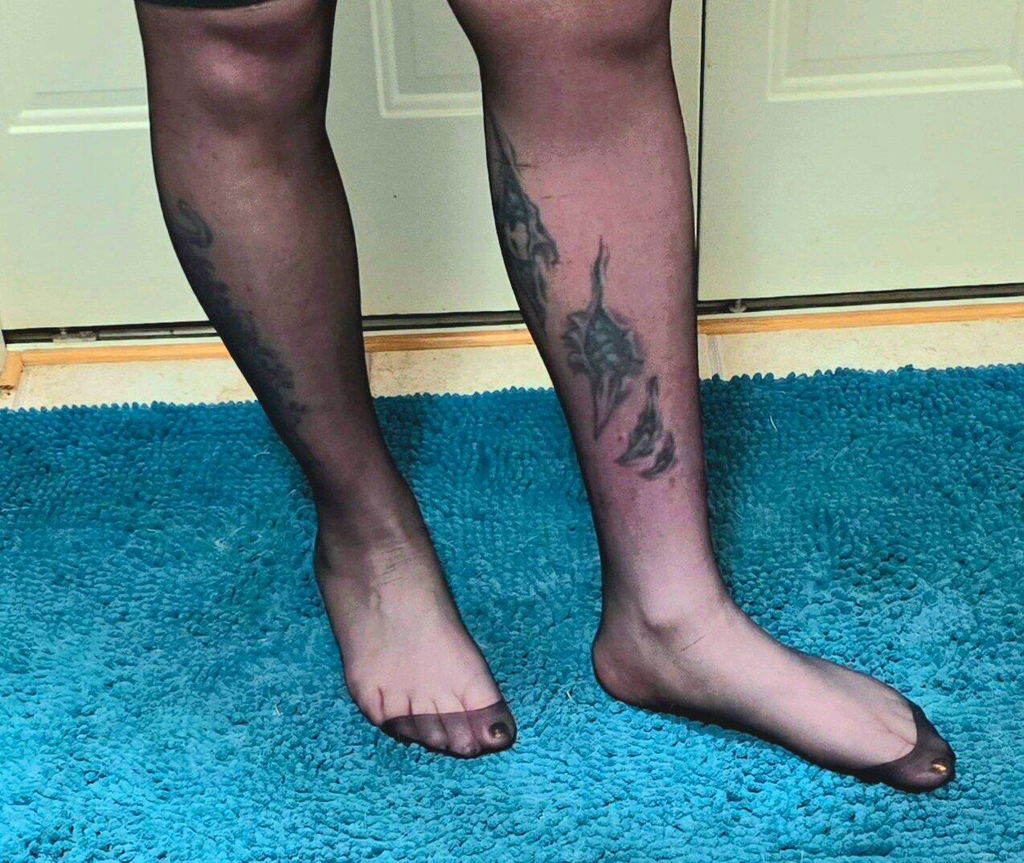
For peep-toe shoes or sandals, choose a sandal-toe or invisible-toe design. A reinforced toe seam can look distracting in open footwear, even when the hosiery itself is beautifully sheer. Keep in mind that hosiery with sandals is a style choice, not a rule. It can look polished for an event, but a matte, natural shade and an almost invisible toe usually give the cleanest result.
If your shoes tend to rub at the heel or ball of the foot, consider carrying a backup pair for a long day. Sheer hosiery is delicate by nature, and one spare pair can save an outfit before a meeting, wedding, or dinner reservation.
When Stockings May Be Better Than Tights
Sheer stockings offer a different feeling from full tights. They can be cooler, more comfortable under certain fitted dresses, and especially attractive for evening looks. Hold-ups use silicone bands to stay in place, while traditional stockings are worn with a garter belt.
Choose hold-ups only when the band fits your thigh comfortably. If it is too tight, it may roll or create a visible line beneath close-fitting clothing. If it is too loose, it may slip as you walk. For a first purchase, tights are often the simpler, more predictable option. Stockings are best when you want their particular look and are comfortable checking the fit before a longer occasion.
How to Make Sheer Hosiery Last Longer
Even quality sheer hosiery needs gentle care. Put them on before jewelry, watches, or rough accessories can catch the fabric. Smooth your hands, roll each leg down to the toe, place your foot carefully, then gradually work the hosiery upward instead of pulling from the waistband.
Wash sheer tights and stockings by hand in cool water with a mild detergent, then press out excess water in a towel. Avoid twisting or wringing. If machine washing is necessary, use a mesh laundry bag and a delicate cycle, but air-dry afterward. Heat from a dryer can weaken elastic fibers.
For a reliable everyday selection, it helps to keep more than one option on hand: a natural nude for light outfits, sheer black for darker looks, and a slightly higher-denier pair for cooler days. At ConteByOksana, shoppers can choose from classic and corrective styles with the product details needed to compare coverage and fit before ordering.
The best sheer hosiery is the pair you forget you are wearing: comfortable at the waist, smooth in your shoes, right for the temperature, and polished enough to let your outfit take the lead.