How to Layer Tights in Winter Without Bulk
Поділитися
A thin pair of tights under a favorite dress can look perfect at home, then feel far too light the moment you step into cold wind. Learning how to layer tights in winter is less about piling on as many layers as possible and more about choosing fabrics that work together, preserving comfortable movement, and avoiding a tight waistband or bunched ankles.
For everyday errands, office outfits, school mornings, and holiday gatherings, the best combination depends on the temperature, your outer clothing, and how long you will be outside. A short walk from the car calls for a different approach than waiting at a bus stop or attending an outdoor event.
Start With the Right Base Layer
Your first layer should sit smoothly against the skin. For most winter outfits, cotton-blend tights, lightweight thermal tights, or close-fitting leggings are more comfortable than a second pair of sheer nylon tights. Cotton adds softness and breathability, while a thermal blend creates a warmer pocket of air next to the body.
Choose a base layer with a waistband that stays in place without digging in. If the first layer rolls, slips, or feels restrictive before you leave the house, adding another pair on top will not solve the problem. It will usually make the fit worse.
For women wearing a skirt or dress, opaque cotton tights can serve as the base layer. Add a second, slightly roomier opaque pair when temperatures drop further. Under trousers, thin cotton tights or leggings are often the more practical first layer because they are less likely to show through the fabric.
A common mistake is layering two identical pairs of tight, high-denier hosiery. While this can add some warmth, it may also create pressure at the waist, knees, and toes. It works best only when both pairs have enough stretch and the outer pair is not smaller than your normal size.
How to Layer Tights in Winter by Outfit
The clothing you wear over your tights matters as much as the tights themselves. Think of each outfit as a system: a soft layer against the skin, an insulating layer where needed, and an outer garment that blocks wind.
With dresses and skirts
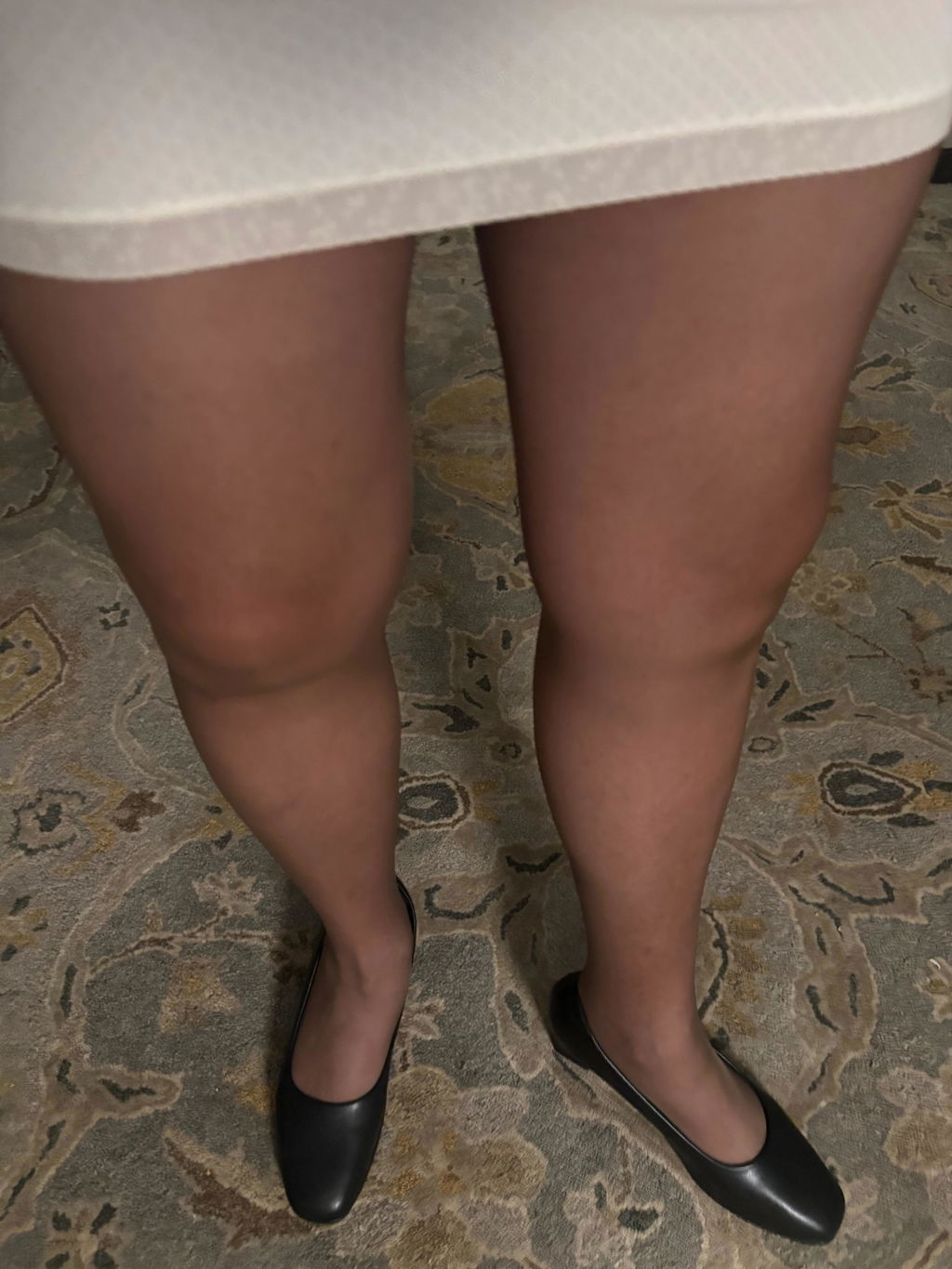
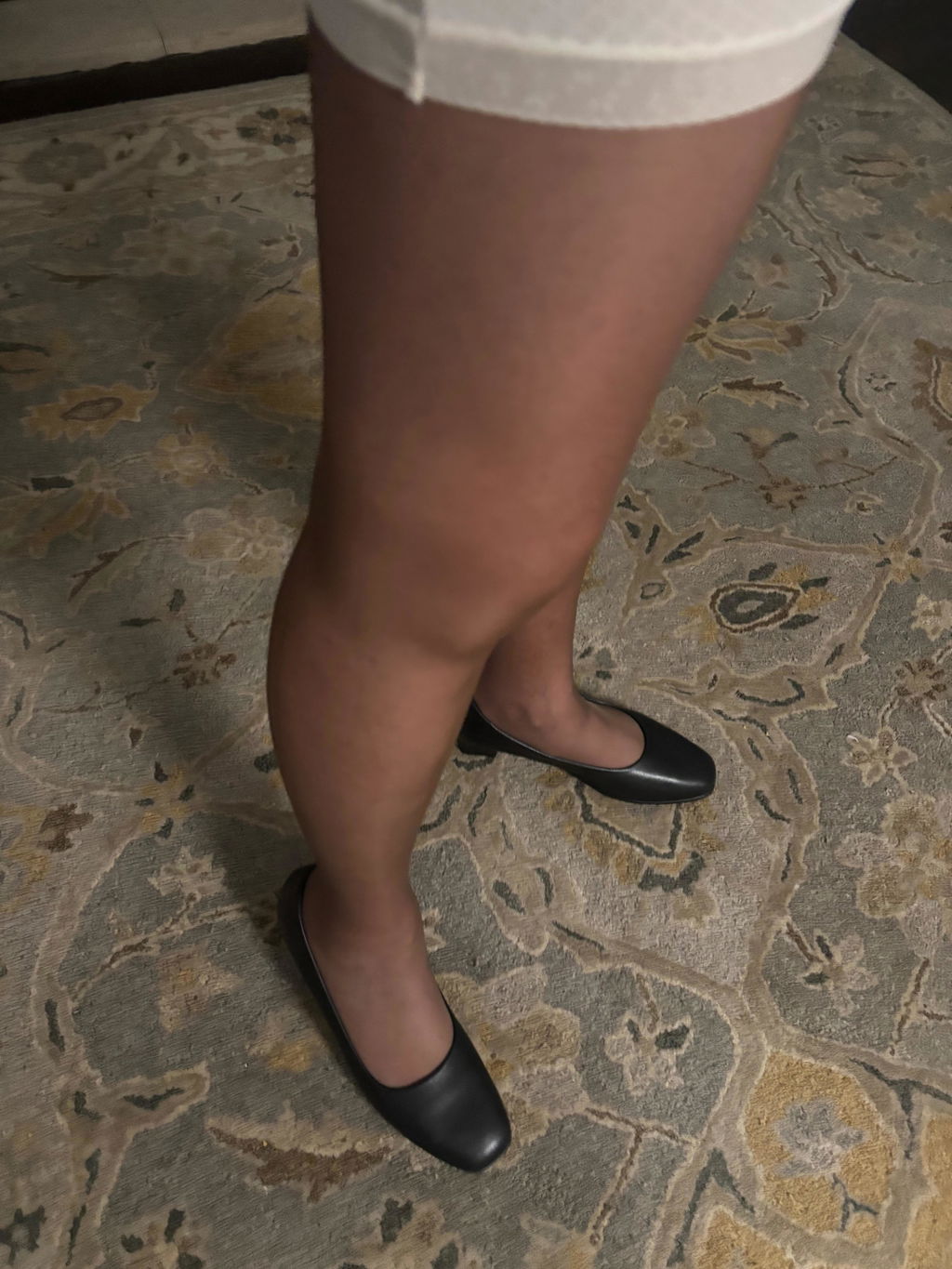
For a polished winter dress outfit, begin with cotton or thermal tights in a neutral shade. If you want a dressier finish, wear opaque tights over the base layer. The outer pair should be smooth, durable, and comfortably sized so it does not pull at the knees when you sit.
A longer skirt, knit dress, or lined wool dress provides another valuable layer without adding visible bulk. Boots that cover the ankle also help keep cold air from reaching the small gap between hosiery and footwear.
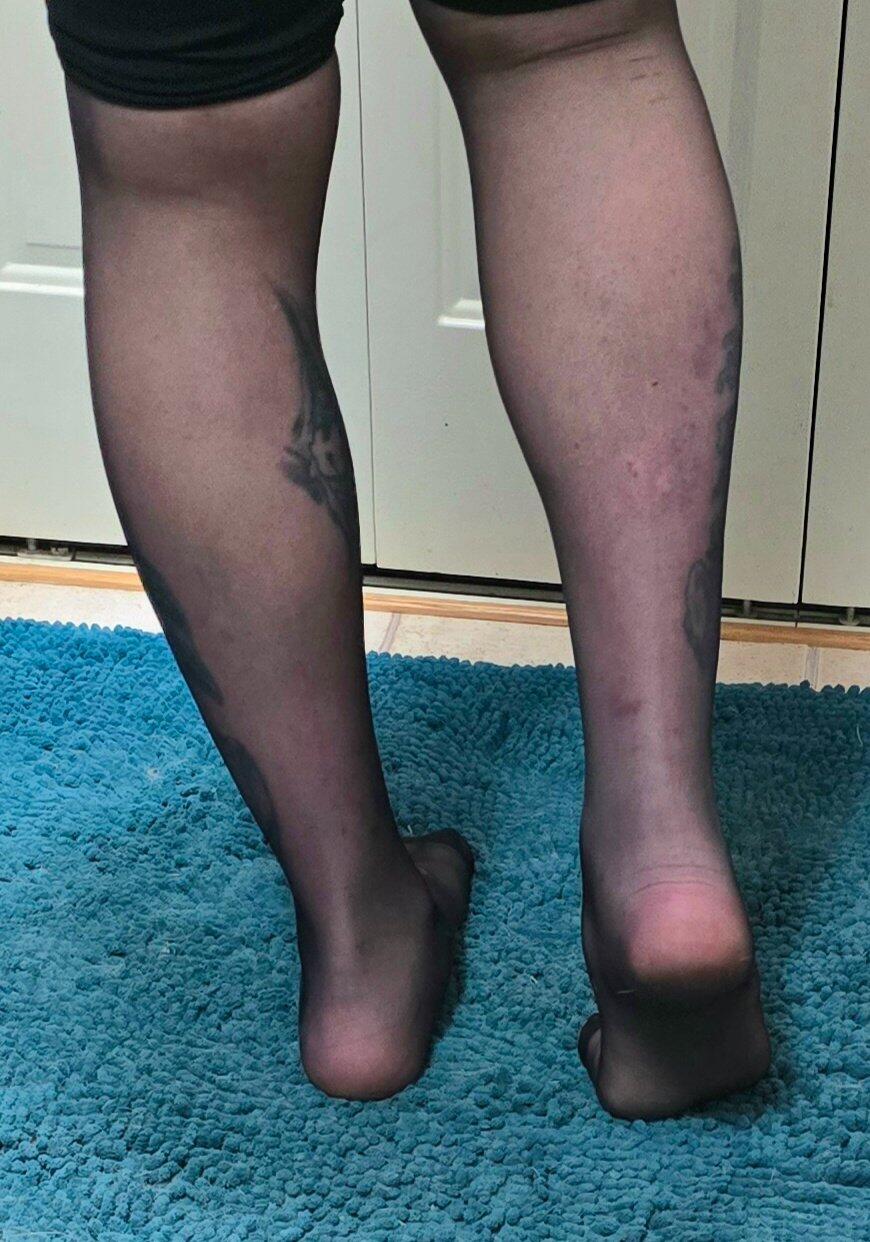
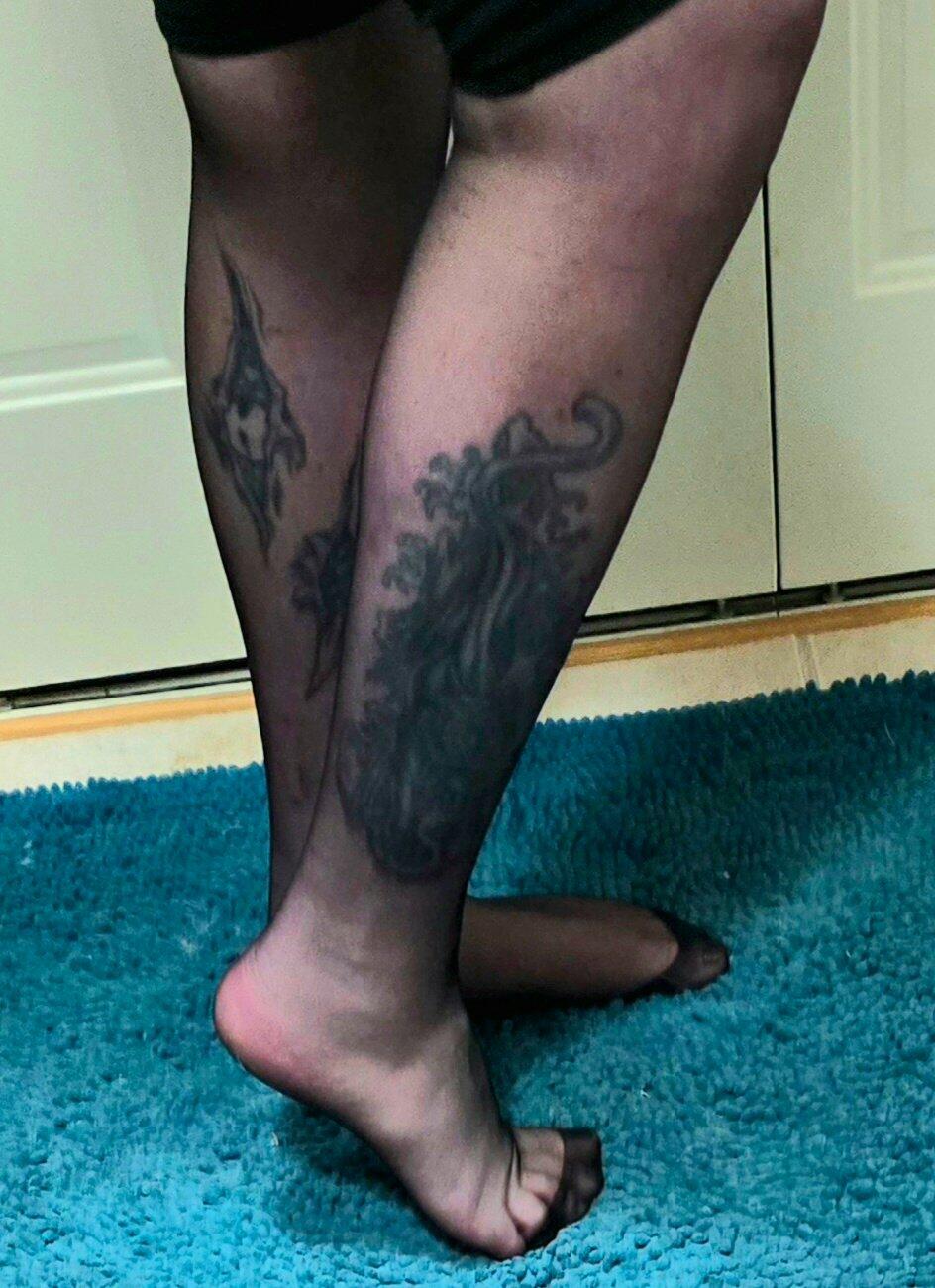
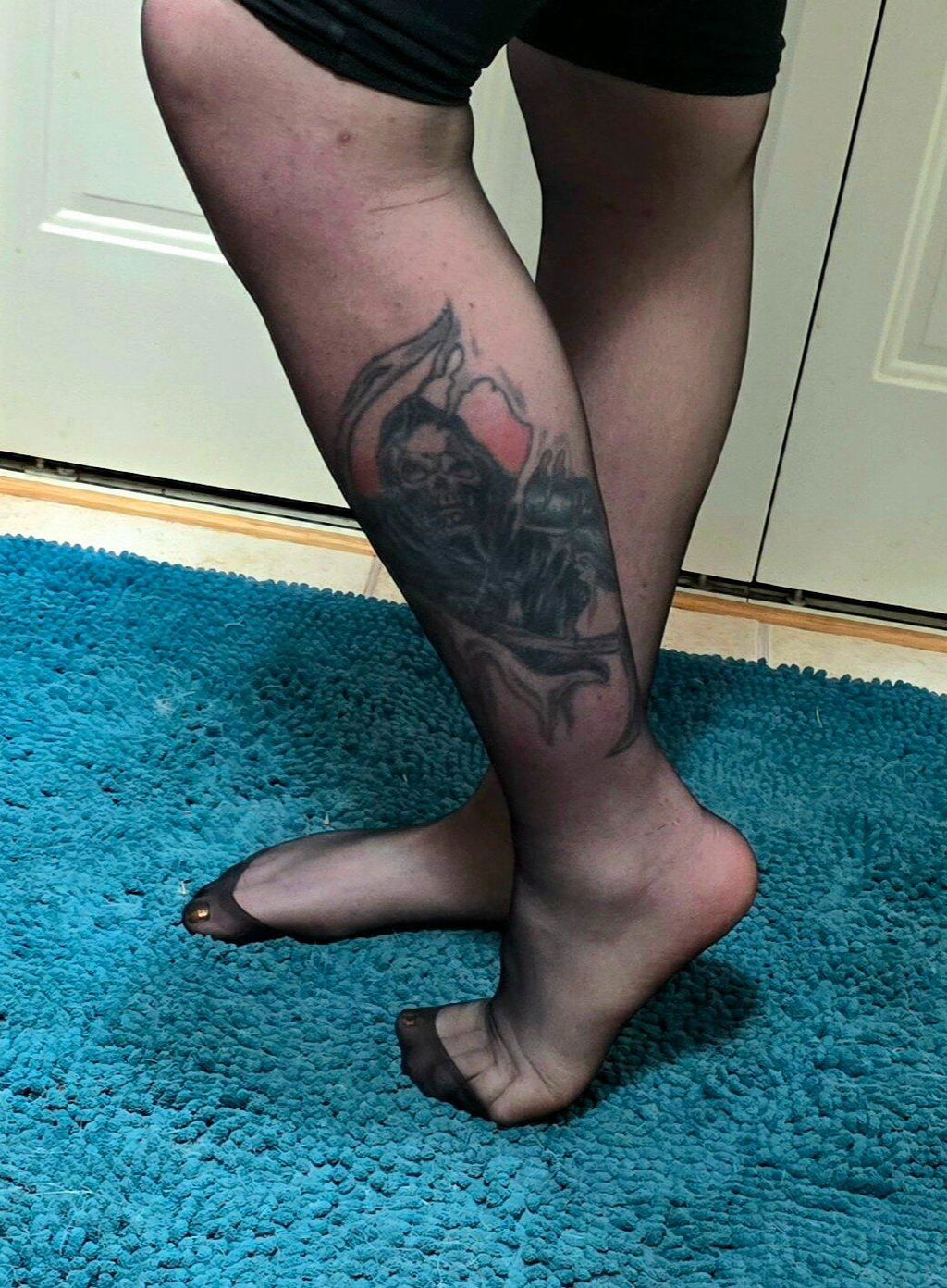
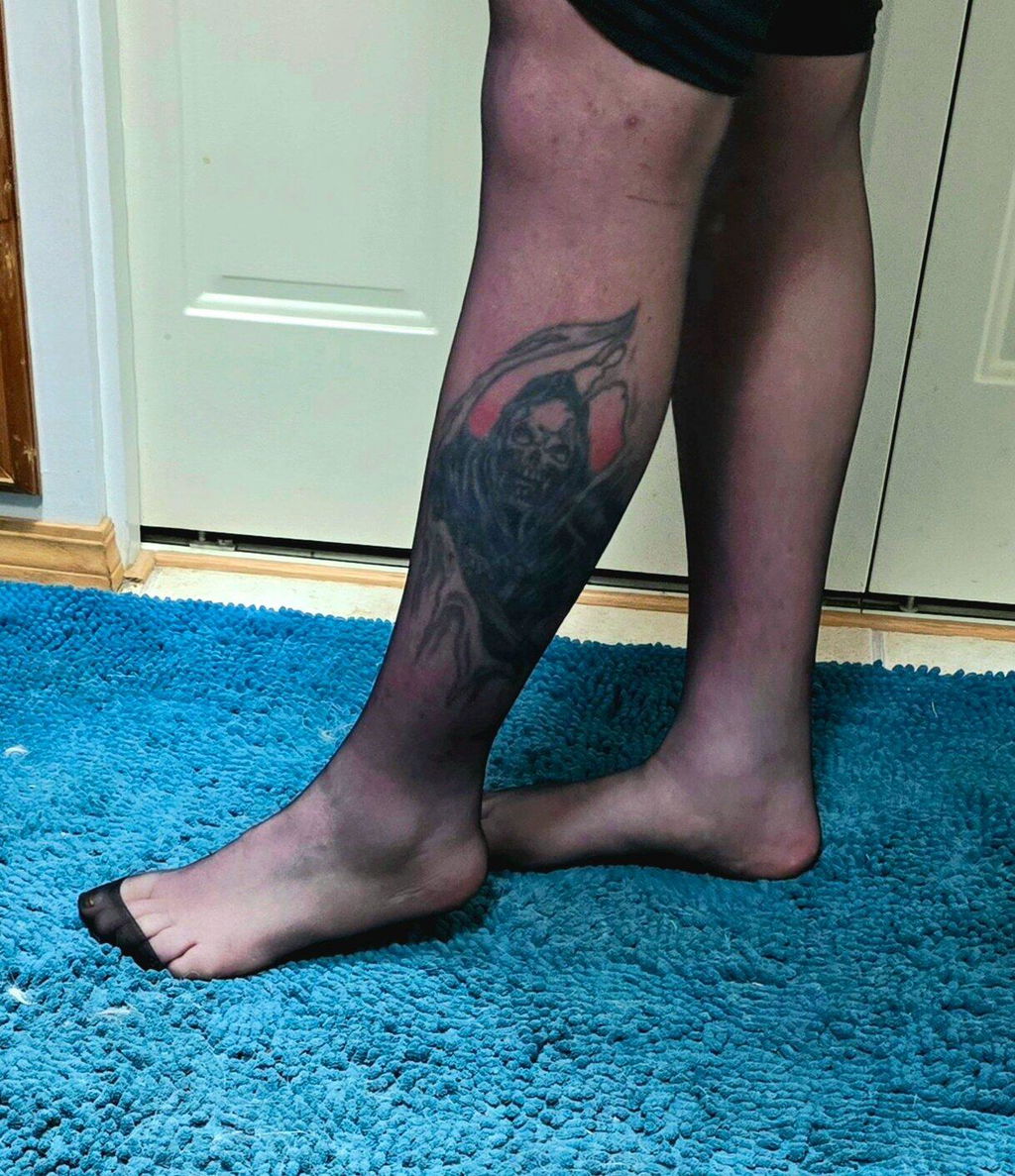
For a special occasion, a warm base layer can go underneath fantasy tights with an openwork or patterned finish. This lets you keep the exquisite detail visible while making the outfit more practical for winter. The pattern will look best when the base tights are close to your skin tone or match the outer pair.
Under pants and jeans
Tights under pants are one of the easiest ways to stay warm without changing your usual wardrobe. Choose smooth cotton tights or thin leggings beneath straight-leg trousers, relaxed jeans, or wide-leg pants. Very tight skinny jeans can make double layers uncomfortable, especially around the knees and waistband.
If you are wearing dress pants to work, avoid bulky seams and textured tights that may show through. A lightweight, matte pair with a soft cotton gusset is often more comfortable for a full day indoors. You can save thicker thermal styles for commuting, travel, and outdoor plans.
With boots and winter shoes
Footwear changes the feel of layered tights. Tall boots provide useful insulation, but they can become too snug when paired with thick tights and heavy socks. If your boots are fitted through the calf, choose a smooth base layer and wear thin socks over or under the tights according to comfort.
Many people prefer socks over tights because socks stay in place better inside boots and protect the tights at the heel and toe. If your feet tend to get cold, a thin wool-blend sock over the tights is usually warmer than adding another heavy hosiery layer. Make sure there is still enough room in the shoe for your toes to move.
Choose Warmth by Fabric, Not Just Thickness
Denier can be useful when selecting opaque hosiery, but it does not tell the full warmth story. A high-denier synthetic tight may be dense and sleek, while a cotton-blend tight at a lower denier can feel warmer and softer for daily wear.
Cotton tights are a reliable choice for school, casual outfits, and long days when comfort is the priority. They offer a familiar feel and pair well with skirts, uniforms, dresses, and leggings. Thermal tights are better for very cold weather, particularly when you will be outdoors for more than a few minutes.
Microfiber hosiery can be a good middle ground. It is smooth, opaque, and often warmer than sheer styles without feeling as thick as a fleece-lined pair. Corrective tights can also be layered, but take extra care with fit. Their shaping panel is designed to sit correctly against the body, so wear it as the outer layer only if it still feels comfortable and does not pinch.
Fit Is What Keeps Layers Comfortable
The outer pair needs room to move over the inner layer. If you are between sizes, sizing up for the outer tights is often the better choice. This is especially true for thicker cotton tights, thermal styles, or any pair worn over another full leg layer.
Check the fit before leaving home. Bend your knees, sit down, walk up a few stairs, and make sure the crotch area stays in place. Tightness behind the knees, deep waistband marks, or toes pressed into the front of the shoe are signs that the combination is too small or too thick.
Avoid wearing underwear over tights unless it is necessary for your personal comfort. A smooth, well-fitting pair of underwear underneath the base layer usually creates fewer lines and less bunching. If you need extra coverage under a dress, a slip or shorts designed for layering may be more comfortable than another tight waistband.
Layering Tights for Children
Children need warmth, but they also need to run, sit on the floor, and manage restroom breaks without frustration. For school-age girls, start with soft cotton tights in the correct height and weight range. Proper sizing matters more than buying larger tights for extra warmth. Oversized tights can sag at the knees, twist at the ankle, and become uncomfortable inside shoes.
On cold school days, add warmth with a skirt or dress in a heavier fabric, knee-high socks, leggings, or lined pants depending on the dress code. If a child will be outside for recess, thermal leggings under snow pants are often more useful than doubling up on dress tights.
For a party or family event, a cotton pair underneath fancy tights can work well for a short period outdoors. Let your child move around in the full outfit first. If she complains that the waistband feels tight or the shoes are hard to put on, simplify the layers. Warm children are happier when their clothes are easy to wear.
A Quick Cold-Weather Check Before You Go
Before choosing a second pair of tights, consider four practical details:
- How long you will be outside, including walking, waiting, and travel time.
- Whether your dress, skirt, or pants already provide warmth and wind protection.
- How much space your boots or shoes have for tights and socks.
- Whether you will spend most of the day indoors, where heavy layers may become uncomfortable.
The best winter tights outfit should let you walk comfortably, keep your waistband relaxed, and still look like you chose it on purpose. Start with fit, add only the warmth you need, and let your footwear and outer clothing carry part of the job.