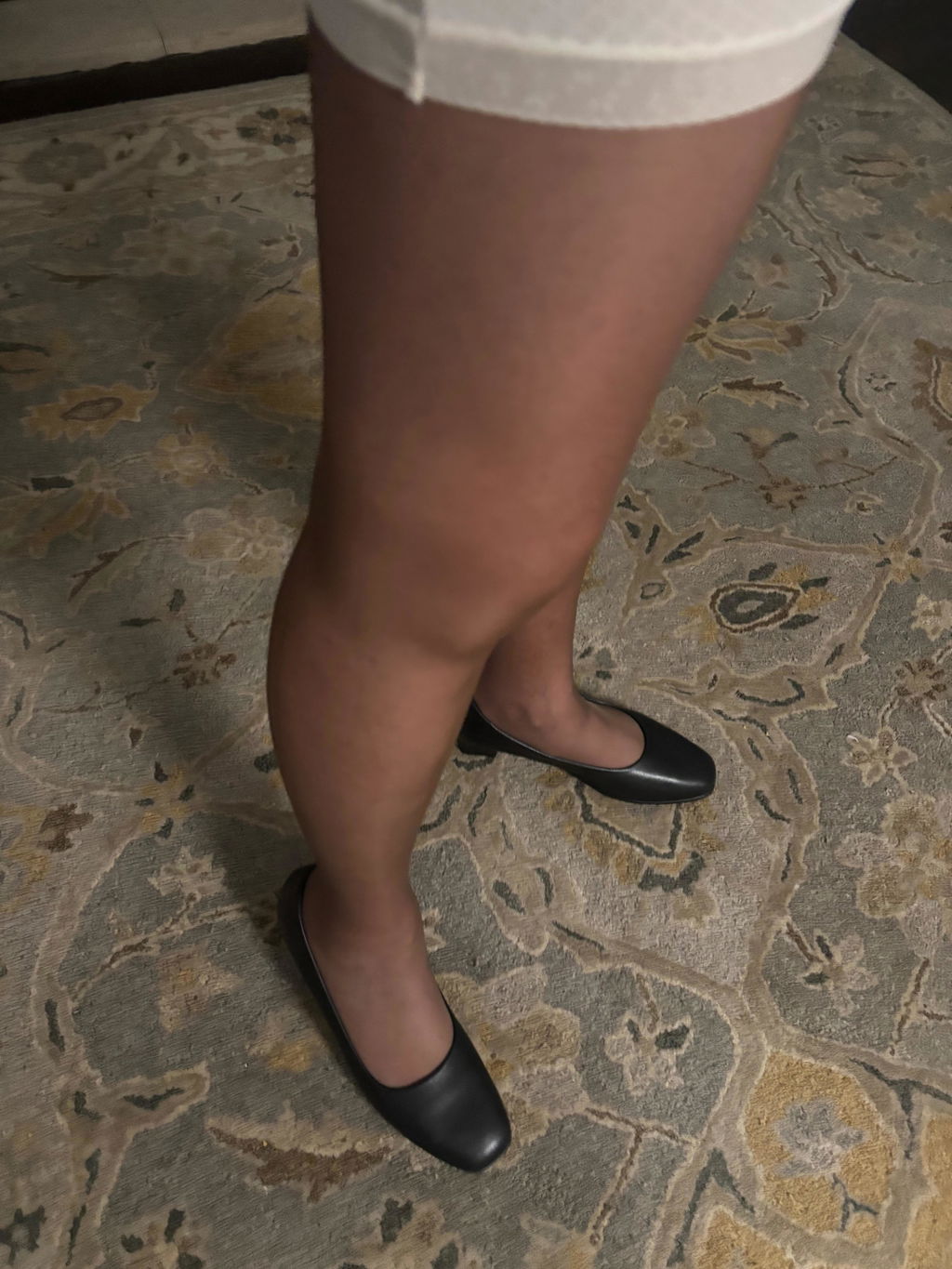
Thermal Tights Review for Real Winter Wear
Поділитися
Cold legs can make a perfectly good outfit feel like the wrong choice by lunchtime. This thermal tights review focuses on what matters when you need dependable warmth under dresses, skirts, school uniforms, or long sweaters: fabric, fit, thickness, comfort, and how the tights perform after regular wear.
Thermal tights are not all made for the same kind of cold. Some are smooth and moderately warm for an office commute or a chilly classroom. Others are thick, cotton-rich, brushed, or fleece-lined for long walks, outdoor events, and real winter temperatures. Choosing well starts with being honest about where and how they will be worn.
Thermal Tights Review: What to Check First
The label “thermal” can describe several different constructions. It may mean a denser knit that traps more warmth than sheer hosiery, a cotton blend with a soft interior, or a plush lining designed for colder days. A pair can feel warm in a heated car and still be too light for waiting at the bus stop, so fabric details matter more than the category name alone.
Start with the fiber content. Cotton-rich tights are a favorite for everyday comfort because they feel soft against the skin and are often a practical choice for women and children with sensitivity to scratchy fabrics. They work especially well with boots, school clothes, and casual dresses. Cotton does absorb moisture, though, so it may not be the best choice for high-activity outdoor use if feet and legs tend to get damp.
Microfiber tights have a smooth, flexible finish and can provide surprising warmth without looking bulky. They are a polished option under workwear, knit dresses, and skirts when you want coverage with a more refined appearance. A brushed or fleece-lined interior adds warmth, but it also changes the look and feel. These styles are usually best with roomier boots rather than close-fitting shoes.
Wool blends can be very warm and naturally insulating, but the experience depends on the blend. Wool content may bring extra warmth, while polyamide and elastane help tights hold their shape. If you are sensitive to wool, check the composition carefully and consider a softer cotton or microfiber alternative.
Denier can be useful, but it does not tell the whole story. In general, a higher denier means a denser yarn and more coverage. However, two pairs with a similar denier can feel very different because of knit structure, lining, and fiber content. Think of denier as one clue, not a guarantee of warmth.
Fit Is What Makes Warmth Work
Thermal tights that slide down, wrinkle behind the knees, or pinch at the waistband will not stay comfortable for long. Fit is also directly connected to warmth. When tights are stretched too tightly, the fabric becomes thinner across the thighs, hips, and knees. When they are too loose, folds can rub under boots and create cold gaps.
For women, choose size by the brand’s height and weight chart rather than by dress size alone. If you are near the top end of a size range, sizing up is often the more comfortable decision, especially with cotton-rich or lined styles that may have less stretch than lightweight sheer tights. A properly fitting waistband should sit securely without rolling or pressing into the waist when you sit.
For girls, correct sizing is even more important. Children grow quickly, and tights purchased only by age may be too short in the leg or too tight through the body. Use height first whenever a size chart provides it, then compare weight if needed. A little room for movement is helpful, but tights that are much too long can bunch at the ankles and wear through faster inside shoes.
Parents may also want to consider the daily routine. A warm pair for a school concert is different from a pair worn through class, recess, carpool, and after-school activities. For frequent use, prioritize a comfortable gusset, a soft waistband, and durable toes over a decorative finish that may be better reserved for special occasions.
The Waistband and Toe Test
Before removing tags, have the wearer try the tights on indoors for a few minutes. The waistband should stay in place while sitting, bending, and walking. The toe area should lie smooth, with no excess fabric pressed at the front of the shoe and no pulling across the toes.
Pay attention to the rise as well. A pair that seems to fit in the legs but stops too low at the waist is likely too small or not the right shape. Pulling the tights higher to compensate usually leads to discomfort and extra strain on the fabric.
Choosing the Right Level of Warmth
A practical thermal tights review should separate everyday winter wear from deep-cold wear. For indoor-heavy days, a medium-weight opaque microfiber or cotton blend may be enough. It gives coverage, works easily under normal clothing, and is less likely to feel overheated in stores, offices, or classrooms.
For cold commutes and outdoor plans, look for a visibly thicker knit, a brushed inner surface, or fleece lining. These styles are especially useful with sweater dresses, longer tunics, and skirts paired with boots. Keep in mind that the warmest tights can add bulk. If your boots already fit closely with regular socks, test the combination at home before depending on it for a full day.
Layering is sometimes the better answer. A medium-warm tight under a longer skirt with tall boots may be more versatile than one extremely thick pair. On the other hand, a lined thermal style can simplify getting dressed for children who do not want multiple layers under a uniform or dress.
Color matters in a practical way, too. Black, charcoal, navy, and dark brown are easy everyday choices because they coordinate with boots and hide minor scuffs. For girls, warm tights can still feel special in cream, soft gray, burgundy, or a subtle textured pattern. Choose fancy details with care for school days, since openwork tights are generally less insulating than a dense, solid knit.
Comfort, Durability, and Care
Warm tights need to survive more than one cold day. Pilling, thinning at the toes, and stretched knees are common concerns, particularly with cotton blends and styles worn under boots. No hosiery is indestructible, but gentle care makes a noticeable difference.
Turn tights inside out before washing. Use cool or lukewarm water, a mild detergent, and a delicate cycle or hand wash. Avoid washing them with garments that have zippers, hooks, rough denim, or heavy hardware. Heat can weaken elastic fibers, so air drying is the safer choice when you want the waistband and legs to recover their shape.
It also helps to rotate pairs rather than wear the same tights on consecutive days. Giving the elastic time to rest can support better recovery, and having a spare pair avoids rushed laundry before school or work. For families, keeping a few dependable neutral colors on hand is often more useful than owning many single-purpose styles.
At ConteByOksana, shoppers can compare warm tights by material, style, and intended wear, which makes it easier to choose everyday basics separately from more decorative options. Read the product composition and size guidance before ordering, especially when selecting tights for a growing child or choosing a thicker style for the first time.
When Thermal Tights May Not Be Enough
Thermal tights are an excellent cold-weather layer, but they are not a replacement for insulated pants in every situation. If you will be outdoors for extended periods in wind, snow, or freezing temperatures, pair them with weather-appropriate outer layers. They also cannot prevent cold feet if shoes are thin or wet, so warm socks and suitable footwear remain part of the plan.
For indoor events, overly warm lined tights can become uncomfortable once the heat is on. In that case, a dense cotton blend or opaque microfiber style may be the smarter choice. The best pair is not always the thickest one. It is the pair that keeps you warm where you will actually be, while still letting you move, sit, and enjoy the day comfortably.
Choose thermal tights as you would choose any dependable wardrobe basic: match the fabric and fit to the routine, keep a practical spare pair ready, and save the extra-thick styles for the days that truly call for them.