Which Socks Suit Dress Shoes? A Simple Guide
Поділитися
A polished outfit can lose its finished look the moment the wrong sock shows between a trouser hem and a dress shoe. If you are asking which socks suit dress shoes, start with three details: the formality of the occasion, the color of your trousers, and the shape of your shoes. The best pair should feel comfortable through a full day while looking intentional when you sit, walk, or cross your legs.
Dress socks are a small wardrobe essential, but they do practical work. They help reduce friction inside leather shoes, absorb moisture, and protect the shoe lining. More importantly, they create a clean visual line from trousers to shoes. A well-chosen sock should not bunch at the ankle, slide down into the shoe, or distract from the rest of your outfit.
Which Socks Suit Dress Shoes for Formal Outfits?
For business meetings, interviews, weddings, formal dinners, and other traditional occasions, choose a thin or medium-thin crew sock that reaches at least mid-calf. This height is the dependable choice because it keeps bare skin covered when you sit down. It also stays in place better than a short ankle sock under tailored trousers.
Match the sock primarily to your trousers, not automatically to your shoes. Navy trousers look polished with navy socks, charcoal trousers with charcoal socks, and black trousers with black socks. This creates a longer, uninterrupted leg line and works especially well with slimmer dress pants.
There are a few useful exceptions. With a tuxedo or very formal black suit, plain black dress socks are the safest choice, even if the trousers have a subtle blue-black tone. For a wedding or evening event, a very fine dark sock in cotton blend, merino wool blend, or smooth microfiber usually looks more refined than a thick casual cotton style.
Avoid athletic socks, visible logos, ribbing that is too bulky, and short socks that leave the ankle exposed. White socks are generally not suitable with dress shoes and tailored trousers. They are designed for sportswear and casual sneakers, where their bright contrast makes sense.
Start With the Shoe and Trouser Combination
The shoe color helps narrow the choice, especially when the outfit includes lighter trousers or a more relaxed dress code. Think of the sock as the bridge between your pants and shoes.
Black dress shoes
Black Oxfords, derbies, loafers, and dress boots work best with black, charcoal, dark navy, or very deep burgundy socks. Black socks remain the most formal option. Charcoal is a smart alternative with gray trousers, while navy can look neat with navy pants and black shoes in a business setting.
A bright sock with black shoes can work at a creative office or festive event, but it should relate to another color in the outfit, such as a tie, blouse, scarf, or pocket square. The goal is a deliberate accent, not an accidental flash of color.
Brown and tan dress shoes
Brown shoes offer more flexibility. Dark brown socks are classic with brown shoes and navy, olive, or beige trousers. Navy socks also pair beautifully with medium and dark brown leather, especially with navy dress pants. For tan shoes and lighter chinos, try a muted blue, taupe, olive, or soft gray sock.
Do not feel required to find an exact brown match. A sock that is slightly darker than the shoe usually looks more polished than one that nearly matches but misses the shade. Very light beige socks can make an outfit look unfinished unless they are chosen carefully with summer-weight trousers.
Burgundy or oxblood shoes
Oxblood leather is versatile but rich in color. Charcoal, navy, dark brown, forest green, and burgundy socks all work well. If you choose burgundy socks, keep the tone deep and understated. This is an easy way to add personality without making the outfit overly busy.
Choose the Right Sock Height
Height matters as much as color. A beautiful sock that slips below the trouser hem is not practical for dress wear.
Mid-calf socks are the everyday standard for most dress shoes. They suit office outfits, tailored trousers, loafers, and dress boots. Over-the-calf socks are especially useful for tall wearers, people who find standard socks slide down, and anyone who prefers complete coverage with a suit. The gentle extra length can make a long day more comfortable, provided the top band is secure without feeling tight.
Ankle socks and no-show socks belong with a more casual warm-weather look, such as loafers with cropped trousers or chinos. They are not the right choice for a formal suit, winter dress boots, or a setting where you want a traditional business appearance. With loafers, use true no-show socks rather than going barefoot. They help manage moisture and reduce rubbing while preserving the bare-ankle look.
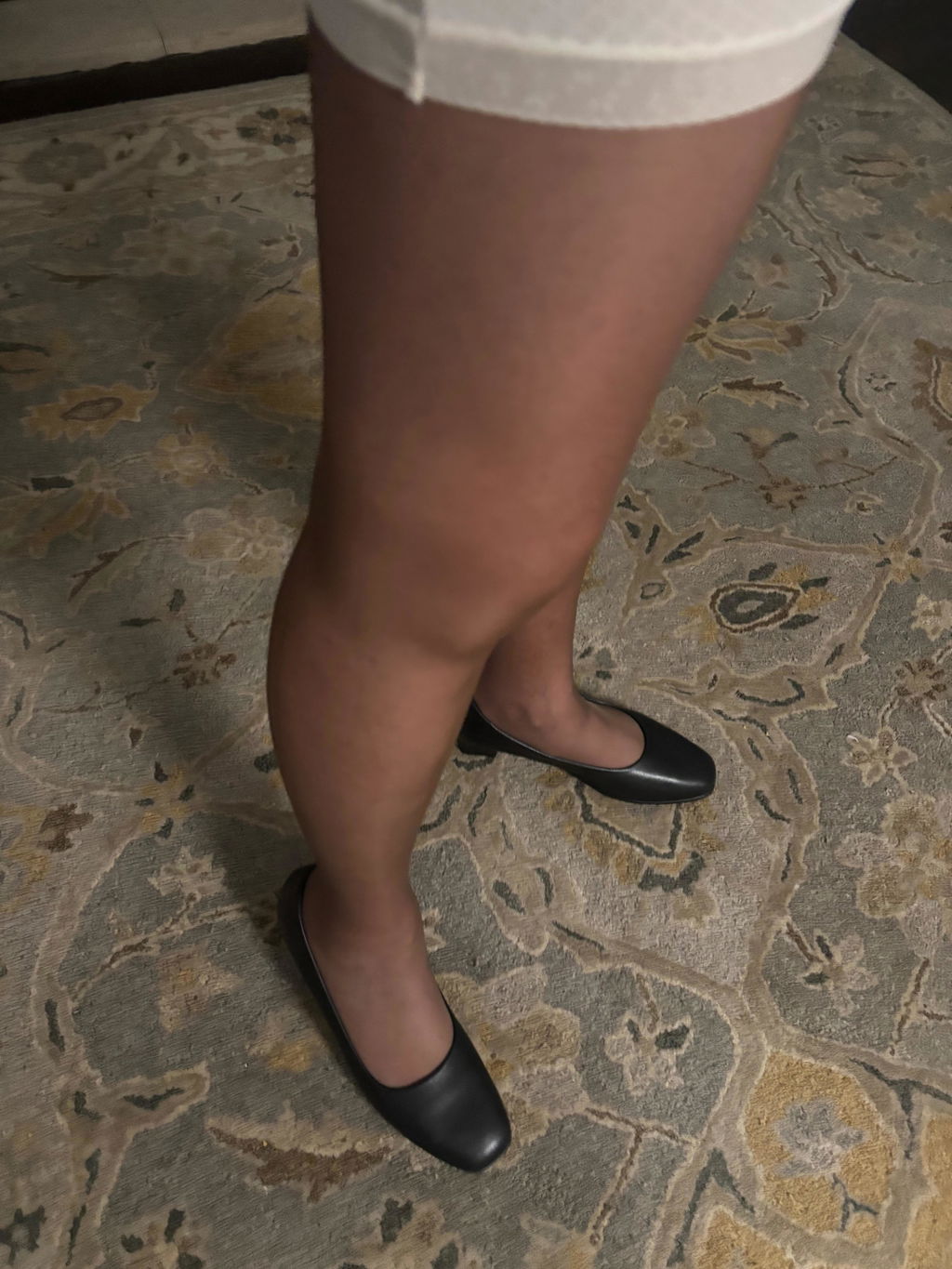
For women wearing loafers, brogues, or tailored pants with dress shoes, a fine crew sock can be both practical and stylish. Choose a smooth solid color for a professional outfit, or a delicate openwork or subtle texture when the dress code is more relaxed. If you are wearing pumps, closed-toe heels, or ankle boots, sheer tights or stockings may be a better choice than socks because they create a smoother finish inside the shoe.
Fabric Should Match the Season and Shoe Fit
Dress shoes often have less extra room than sneakers, so thick socks can quickly make them feel tight. Fine cotton blends are a practical choice for most of the year. They are breathable, easy to wear, and suitable for workdays, school events, and celebrations.
Merino wool blends are excellent in cool weather. They provide warmth without the bulk of heavy winter socks and can help keep feet comfortable as temperatures change. They are particularly useful with leather dress boots and heavier trousers. For a refined evening look, choose a fine-gauge wool blend rather than a chunky knit.
Smooth microfiber or nylon-blend dress socks can feel light and neat under close-fitting shoes. They can be a useful choice for a special event, but check the fit and your personal comfort preference. Some shoppers prefer cotton-rich styles for daily wear because they feel more natural and absorbent.
Whatever fabric you choose, look for a smooth toe seam and a comfortable cuff. A sock that leaves deep marks on the leg may be too tight, while one that gathers at the ankle may be too loose or too short. Correct sizing is not just about comfort. It helps the sock keep its clean shape throughout the day.
When Patterns Work With Dress Shoes
Plain socks are never a mistake, but patterns can add a tasteful finishing detail. The simplest rule is to choose one point of interest. If your trousers, shirt, or dress already have a strong pattern, keep the socks solid. If the outfit is made of quiet neutrals, a small dot, narrow stripe, diamond pattern, or subtle texture can add character.
Keep the pattern scale small for professional settings. Tiny dots on navy, fine gray stripes, or a restrained geometric design are easier to wear than oversized novelty prints. For celebrations and creative workplaces, brighter colors may be appropriate, but make sure they work with the outfit rather than compete with it.
A helpful color approach is to repeat one secondary color from elsewhere in the look. For example, navy trousers, brown shoes, and socks with a small burgundy detail can coordinate with a burgundy accessory. This makes a patterned sock feel considered instead of random.
Common Dress Sock Mistakes to Avoid
The most common mistake is choosing socks only by shoe color. Matching trousers first usually gives a cleaner result. Another is wearing socks that are too thick for fitted leather shoes, which can cause pressure at the toes and make the shoe look strained.
Also pay attention to condition. Even a good color choice will not look polished if the socks are faded, stretched out, pilling, or thinning at the heel. Keep several reliable pairs in black, navy, charcoal, and dark brown so getting dressed for work or an event does not become a last-minute decision.
At ConteByOksana, we recommend treating dress socks like any other fit-focused essential: choose the right size, select a fabric that suits the season, and keep a few dependable colors ready in your drawer. A comfortable pair in the right height will serve you far better than a fashionable pair you need to adjust all day.
Before leaving home, sit down once and look at the space between your trouser hem and shoe. If the sock stays in place, feels smooth in the shoe, and supports the colors of your outfit, you have made the right choice.