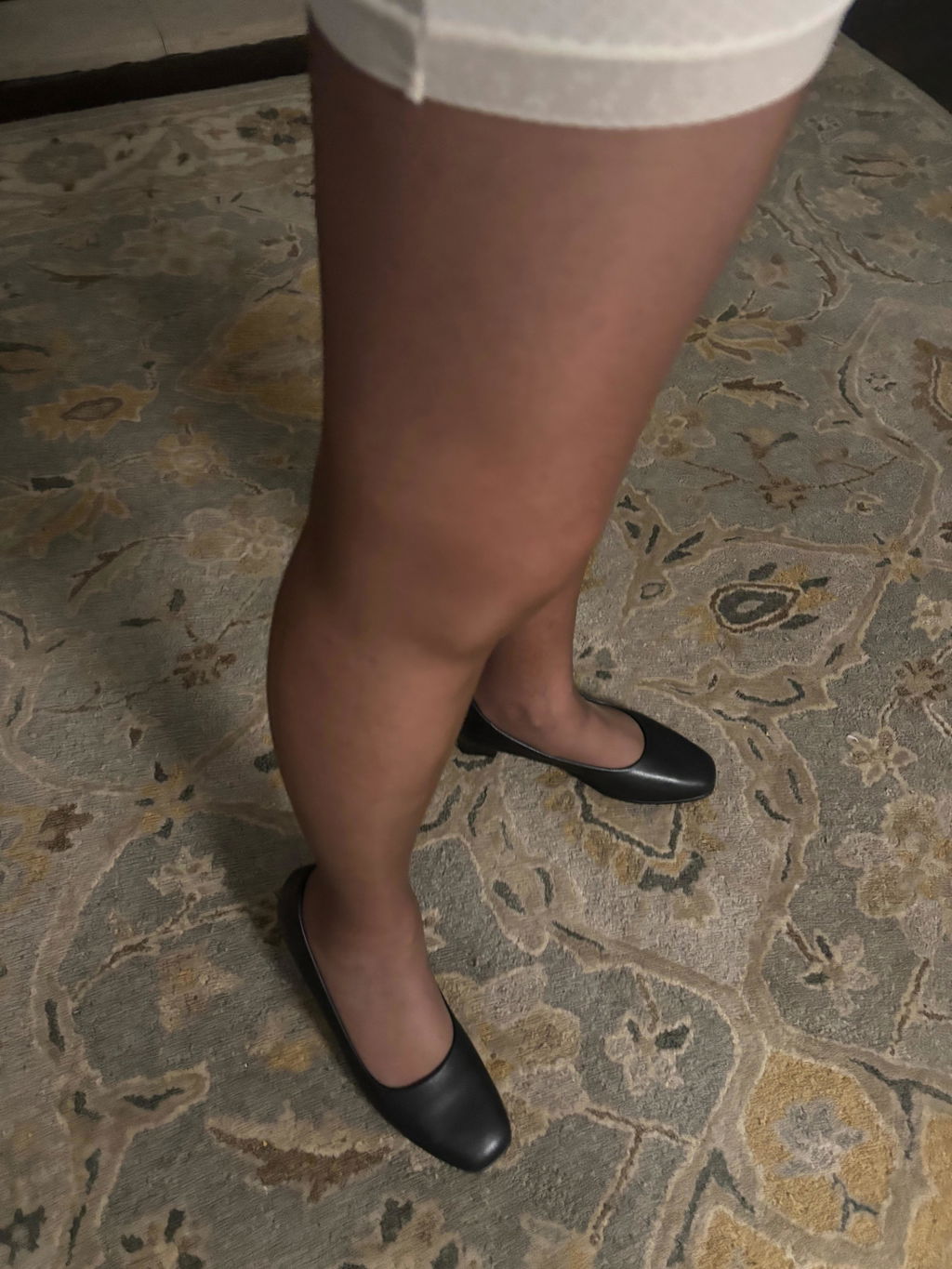
Shapewear Tights: Fit, Support, and Style
Share
A polished outfit can lose its comfort quickly when tights pinch at the waist, slide down during the day, or create a waistband line under a fitted dress. Shapewear tights are designed to solve those everyday fit concerns with targeted support through the tummy, hips, thighs, or bottom, while still giving your legs the finished look of classic hosiery.
The best pair should feel supportive, not restrictive. Whether you are dressing for the office, a celebration, or a regular day in skirts and dresses, the right construction, denier, and size make a noticeable difference in how confident and comfortable you feel.
What Shapewear Tights Do
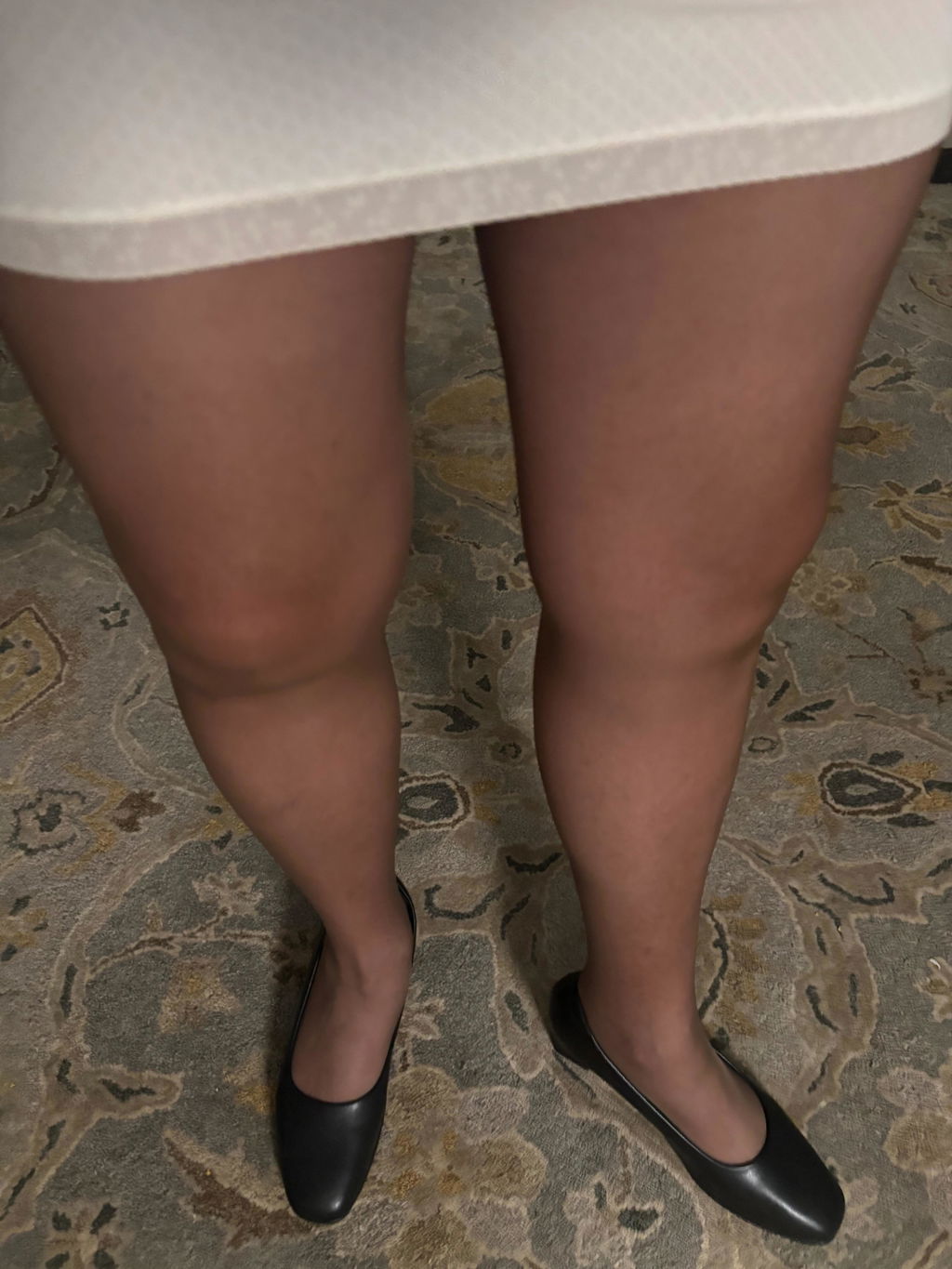
Shapewear tights combine leg coverage with a more structured panty section. Instead of relying on a separate shaping garment under your hosiery, the tights provide gentle to firm control in one layer. This can create a smoother line under close-fitting clothing and help the waistband stay comfortably in place.
Most styles concentrate their support around the midsection. A reinforced, higher-rise top can gently shape the tummy and waist, while other designs add lifting support at the bottom or smoothing through the upper thighs. The effect is usually subtle: your natural shape is still your shape, but your clothing may sit more neatly over it.
This makes corrective tights especially practical with knit dresses, pencil skirts, tailored workwear, and party outfits. They can also be a useful choice on cooler days, when you want the coverage of tights without adding another underlayer.
It is worth setting realistic expectations. Tights are lighter than dedicated shapewear shorts or bodysuits, so they are best for smoothing and comfortable everyday support rather than dramatic compression. If you prefer a very firm hold for a special occasion, look for a style specifically described as having strong corrective support.
Choose the Support That Suits Your Day
The right level of shaping depends on your outfit, your comfort preferences, and how long you plan to wear the tights. For a full workday, light or moderate support is often the most practical choice. It offers a neater fit under clothing while allowing you to sit, walk, and move comfortably.
Light support for everyday outfits
Light-control shapewear tights are a good starting point if you usually wear regular pantyhose and want a slightly smoother finish. They work well with office dresses, skirts, and casual outfits where comfort matters most. A soft, wide waistband is especially helpful if you spend much of your day seated.
Moderate support for fitted clothing
Moderate control is a popular middle ground for sheath dresses, fitted skirts, and occasion wear. You may notice a more secure feeling through the tummy and hips, but the tights should not feel painful, numb your legs, or make it difficult to bend comfortably. If they do, the size or support level is not right for you.
Firm support for special occasions
Firm-control styles can be useful when you want a more defined, held-in feel beneath a close-fitting outfit. Because they are more structured, accurate sizing is essential. Firm shaping also may not be the pair you reach for every day, especially in warm weather or for long periods of travel.
Denier Matters as Much as Control
Support is only one part of choosing shapewear tights. Denier, which refers to the yarn weight used in hosiery, affects opacity, warmth, and the overall appearance on your legs.
Sheer tights offer a lighter, more transparent finish. They are a classic choice for formal events, professional outfits, and transitional seasons. In shapewear styles, a sheer leg paired with a supportive panty section can give you a dressy appearance without sacrificing a secure fit.
Semi-opaque tights provide more coverage and are often easier to wear from day to night. They work beautifully with fall dresses, boots, loafers, and skirts when you want your legs to look smooth but do not need a completely opaque finish.
Opaque styles are typically the most practical option for cooler weather. A higher-denier pair can provide a clean, even look and may feel more durable for regular wear. If warmth is your main priority, consider whether a warm microfiber or cotton-rich style better fits your needs, as not every shaping tight is designed for winter temperatures.
Color also changes the effect. Black shapewear tights are the most versatile and pair easily with workwear and evening outfits. Nude shades can look refined with lighter clothing, but choosing a tone that works with your skin tone and shoe color will give the most natural result.
How to Get the Size Right
With shaping hosiery, sizing should never be treated as an afterthought. Buying a smaller size for extra control is one of the most common mistakes. Tights that are too small may dig into the waist, strain at the thighs, feel too short through the torso, and wear out more quickly.
Start with the size chart for the specific style. Most hosiery sizing uses height and weight together, rather than dress size alone. If your measurements fall between two sizes, your choice depends on your proportions and preferred fit. A taller shopper, someone with fuller hips or thighs, or anyone who dislikes a very snug waistband will usually be more comfortable sizing up.
Pay attention to the rise as well. A high-waisted corrective top should sit smoothly at your natural waist or just above it, depending on the design. It should not roll down, bunch behind the knees, or pull uncomfortably at the crotch. When tights fit correctly, the leg fabric lies evenly from toe to waist without excessive stretching.
If you are shopping online, keep the product description close by while comparing measurements. At ConteByOksana, clear size guidance is especially useful when selecting European-made hosiery, since sizing conventions can vary between brands and styles.
Put Them On Without Pulling or Snagging
Even high-quality tights can be damaged when they are rushed on in the morning. Take off rings or bracelets with sharp edges, make sure nails are smooth, and gather one leg of the tights down to the toe before stepping in. Gradually unroll the fabric up your leg rather than pulling hard from the waistband.
Once both legs are in place, adjust the fabric evenly from ankles to thighs before lifting the panty section into position. This helps prevent excess tension in one area and gives the shaping panels a chance to sit where they are intended to work.
If the waistband starts rolling during wear, do not keep pulling it higher and higher. That can create more pressure and discomfort. The issue may be a too-small size, a rise that does not suit your torso length, or a support level that is firmer than you need.
Care That Helps Tights Last Longer
Shapewear tights need gentle care because their stretch fibers do a lot of work. Hand washing in cool or lukewarm water with a mild detergent is the safest choice. If you use a washing machine, place them in a mesh laundry bag and choose a delicate cycle.
Avoid bleach, fabric softener, and high heat. Heat can weaken elastic fibers and reduce the recovery that gives corrective tights their supportive feel. Lay them flat or hang them to air dry instead of using a dryer.
Rotating between two or three pairs is also practical if you wear tights often. It gives each pair time to recover between wears and means you always have a polished option ready for work, events, or an unexpected change in weather.
A good pair of shapewear tights should help your clothes feel easier to wear, not make getting dressed more complicated. Choose support that matches your real routine, use the size chart carefully, and let comfort guide the final decision.